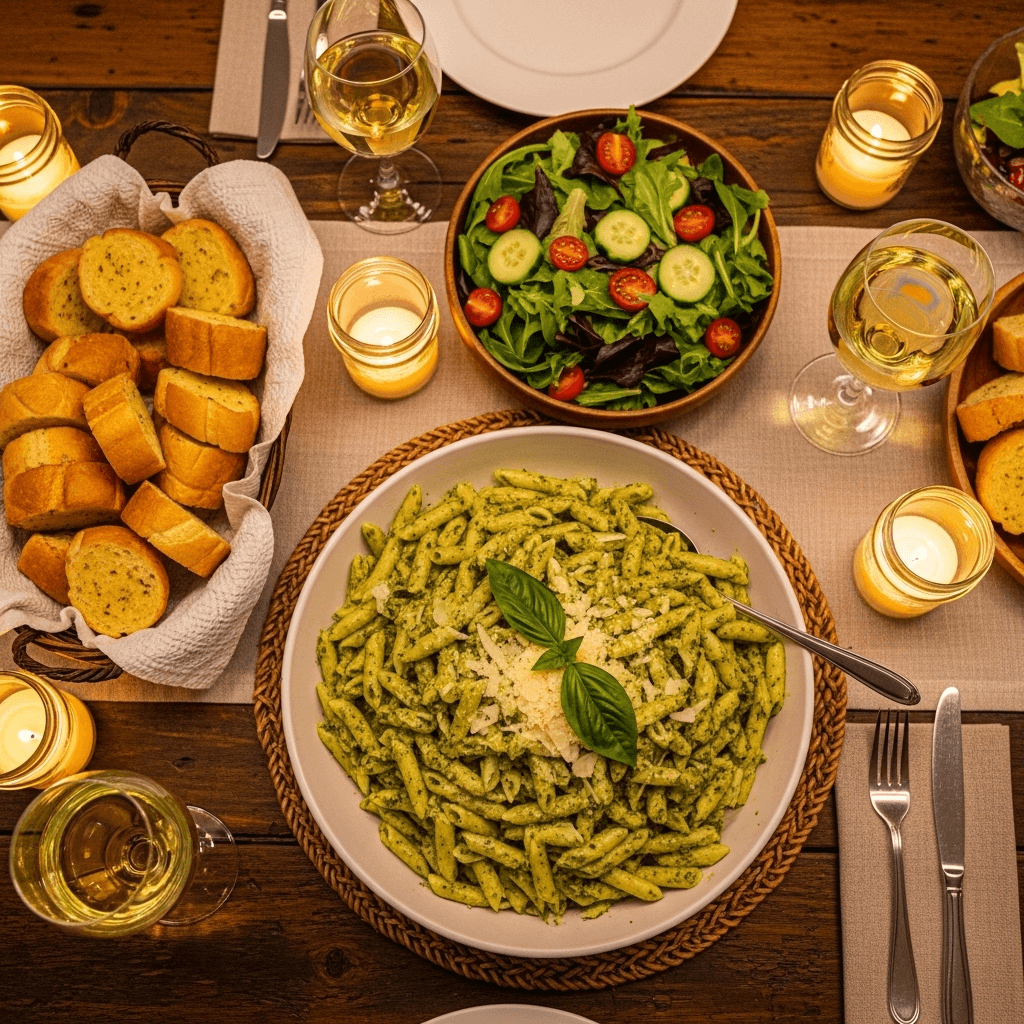

Get ready to discover the easiest, most delicious pesto pasta recipe that’s about to become your weeknight dinner hero! This simple Italian-inspired dish combines perfectly cooked pasta with vibrant, herbaceous homemade pesto for a meal that’s bursting with fresh basil flavor and takes just 20 minutes from start to finish. Whether you’re a busy parent looking for quick dinner solutions, a college student seeking simple yet impressive recipes, or a home cook who appreciates the beauty of uncomplicated Italian cuisine, this pesto pasta delivers every single time.
There’s something magical about the combination of tender pasta coated in bright green, aromatic pesto sauce. The fresh basil, garlic, pine nuts, Parmesan cheese, and olive oil create a sauce that’s both rich and refreshing, comforting yet sophisticated. It’s the kind of meal that feels special enough for guests but easy enough for a random Tuesday night when you just want something delicious without any fuss.
What makes this pesto pasta recipe truly special is its incredible versatility. Serve it as a simple main dish, toss in grilled chicken or shrimp for extra protein, add roasted vegetables for more nutrition, or keep it beautifully basic with just pasta and pesto. It’s perfect for summer when fresh basil is abundant, ideal for meal prep since it tastes great cold or reheated, and wonderful for feeding a crowd because it’s universally loved. Plus, you can make the pesto from scratch in just 5 minutes, or use store-bought when you’re really pressed for time!
History / Background
Pesto, or more specifically “pesto alla genovese,” has deep roots in the Liguria region of northwestern Italy, particularly in the coastal city of Genoa. The word “pesto” comes from the Italian verb “pestare,” meaning “to pound” or “to crush,” referring to the traditional method of making this sauce with a mortar and pestle. This preparation technique dates back centuries, though the specific basil-based pesto we know today emerged in its current form during the mid-19th century.
The earliest ancestor of pesto can be traced back to ancient Rome, where a paste called “moretum” was made by crushing herbs, cheese, and garlic together. However, basil – the defining ingredient of modern pesto – didn’t arrive in Italy until much later, likely introduced through trade routes from Asia. By the 16th century, basil was being cultivated in Liguria, where the mild Mediterranean climate proved perfect for growing this aromatic herb.
The classic Genovese pesto recipe was first documented in the mid-1800s, when Giovanni Battista Ratto recorded a recipe for “pesto” in his 1863 cookbook “La Cuciniera Genovese.” His version included basil, garlic, Parmigiano-Reggiano cheese, Pecorino cheese, pine nuts, and olive oil – essentially the same ingredients we use today. The Ligurian people had perfected this sauce, taking advantage of their region’s abundant sweet basil (particularly the small-leafed Genovese basil variety), local olive oil, and proximity to both pine forests and cheese-making regions.
Traditionally, pesto was made by hand using a marble mortar and wooden pestle, crushing the ingredients in a specific order to release maximum flavor and create the perfect texture. The basil leaves were torn (never cut with metal, which can oxidize them), then crushed with coarse salt, followed by garlic, pine nuts, and finally cheese, with olive oil drizzled in gradually. This labor-intensive process created a slightly coarse, vibrant green sauce that clung perfectly to pasta.
Pesto remained relatively unknown outside of Liguria until the mid-20th century, when Italian immigration and the rise of international travel introduced this regional specialty to the world. The advent of food processors and blenders in the 1960s and 1970s made pesto accessible to home cooks everywhere, eliminating the time-consuming mortar and pestle method. By the 1980s and 1990s, pesto had become a global phenomenon, appearing on restaurant menus and in grocery stores worldwide.
In Italy, pesto is traditionally served with specific pasta shapes – most authentically with trofie (twisted pasta), trenette (similar to linguine), or potato gnocchi. The people of Liguria often add boiled potatoes and green beans to their pesto pasta, creating a heartier, more substantial dish. While purists insist on the traditional Genovese preparation, modern variations have emerged using different nuts (walnuts, almonds), herbs (parsley, arugula, spinach), and even sun-dried tomatoes or roasted red peppers.
Today, pesto pasta represents the beauty of Italian cooking philosophy: simple, high-quality ingredients prepared with care to let each flavor shine. It’s a testament to how a handful of fresh herbs can transform basic pasta into something truly extraordinary!
Why You’ll Love This Recipe
This easy pesto pasta recipe is everything you want in a quick dinner – simple, flavorful, and satisfying without requiring hours in the kitchen or a culinary degree. It’s the perfect combination of convenience and deliciousness that’ll have you making it on repeat!
Here’s why this pesto pasta will become your go-to meal:
- Ready in 20 Minutes – From boiling water to dinner on the table in just 20 minutes total
- Minimal Ingredients – Uses simple, quality ingredients you can find at any grocery store
- Homemade Pesto in 5 Minutes – Fresh pesto made in a food processor is incredibly easy
- Vibrant Fresh Flavor – The basil, garlic, and Parmesan create an aromatic, irresistible sauce
- Endlessly Versatile – Add protein, vegetables, or keep it simple – all options are delicious
- Perfect for Meal Prep – Tastes great hot, cold, or room temperature for easy lunches
- Kid-Friendly Option – Most kids love the mild, herby flavor (adjust garlic to taste)
- Impressive Yet Easy – Looks and tastes restaurant-quality with minimal effort
- Naturally Vegetarian – A complete meal that’s satisfying even without meat
- Budget-Friendly – Costs just a few dollars per serving using pantry staples
- Great for Entertaining – Easily doubled or tripled to feed a crowd
- Summer Perfect – Showcases fresh basil when it’s abundant and at peak flavor
Ingredient Notes
Let’s break down the components of this delicious pesto pasta. The beauty lies in using quality ingredients since there aren’t many places for flavors to hide!
Pasta – Any shape works beautifully, but long pasta like spaghetti, linguine, or fettuccine is traditional. Short pasta like penne, fusilli, or farfalle also work wonderfully because the ridges and shapes catch the pesto sauce. Use about 1 pound (16 oz) for 4-6 servings. For best results, choose a quality brand of pasta – Italian imports like De Cecco or Barilla Gold have superior texture and flavor, but any good pasta works fine.
Fresh Basil – The star ingredient! You’ll need about 2-3 packed cups of fresh basil leaves (about 2-3 ounces) for homemade pesto. Choose bright green leaves without brown spots or wilting. Sweet basil or Genovese basil varieties have the best flavor for pesto. Never use dried basil – it simply won’t work. If you can’t find enough basil, you can supplement with up to ½ cup fresh spinach or parsley without dramatically changing the flavor.
Garlic – Fresh garlic cloves add that essential pungent, aromatic bite. You’ll need 2-3 cloves depending on how garlicky you like your pesto. Raw garlic is quite strong, so start with 2 cloves and add more to taste. For a milder flavor, you can briefly sauté the garlic or use roasted garlic instead.
Pine Nuts – These delicate, buttery nuts are traditional in pesto and add richness, creaminess, and subtle sweetness. You’ll need about ⅓ cup. Toast them lightly in a dry skillet for enhanced flavor, but watch carefully as they burn easily! Pine nuts can be expensive, so substitute with walnuts (more earthy flavor), almonds (slightly sweeter), cashews (creamier), or sunflower seeds (nut-free option) if needed.
Parmesan Cheese – Freshly grated Parmigiano-Reggiano is essential for authentic flavor. You’ll need about ½ cup. The aged, nutty, salty flavor of real Parmesan is irreplaceable – avoid pre-grated cheese in containers as it contains anti-caking agents that affect texture. Grate it yourself from a block for the freshest flavor. For a sharper taste, mix in some Pecorino Romano.
Extra Virgin Olive Oil – High-quality extra virgin olive oil makes a huge difference in pesto. You’ll need about ½ cup. Choose a good Italian olive oil with fruity, peppery notes. The oil helps emulsify everything into a smooth sauce and adds its own flavor, so quality matters. Don’t use light olive oil or vegetable oil – they lack the flavor and character needed.
Salt and Pepper – Essential for bringing out all the flavors. Start with ½ teaspoon salt (the Parmesan adds saltiness too) and ¼ teaspoon black pepper, then adjust to taste.
Lemon Juice (Optional) – A squeeze of fresh lemon juice (about 1 tablespoon) brightens the flavors and helps prevent the basil from oxidizing and turning brown.
Pasta Water – Don’t forget to reserve at least 1 cup of the starchy pasta cooking water before draining! This is the secret to creating a silky sauce that clings to every strand of pasta.
Equipment Needed
Making pesto pasta requires minimal equipment – you probably already have everything you need!
Essential Equipment:
- Large Pot – For boiling pasta (at least 6-quart capacity)
- Food Processor or Blender – Essential for making smooth, homemade pesto quickly
- Colander – For draining cooked pasta
- Large Serving Bowl or Pasta Pot – For tossing pasta with pesto
- Measuring Cups and Spoons – For accurate ingredient measurements
- Wooden Spoon or Pasta Fork – For tossing pasta with sauce
- Ladle or Measuring Cup – For reserving pasta water
Helpful but Optional:
- Mortar and pestle (for traditional hand-made pesto – time-consuming but authentic)
- Box grater or microplane for grating Parmesan
- Small skillet for toasting pine nuts
- Tongs for serving pasta
- Cheese grater for additional Parmesan at the table
Equipment Tips: If you don’t have a food processor, a high-speed blender works fine – just scrape down the sides frequently. For a chunkier, more rustic pesto, you can even chop everything finely by hand and stir together, though the texture won’t be as smooth.
Print
Pesto Pasta Recipe
- Total Time: 20 minutes
- Yield: 4-6 servings 1x
- Diet: Vegetarian
Description
This easy pesto pasta recipe combines perfectly cooked pasta with vibrant homemade basil pesto for a fresh, flavorful dinner that’s ready in just 20 minutes! Made with fresh basil, garlic, pine nuts, Parmesan, and olive oil, it’s simple enough for weeknights but impressive enough for guests. Naturally vegetarian and endlessly customizable!
Ingredients
For the Pasta:
- 1 pound pasta (spaghetti, linguine, penne, or your favorite shape)
- 2 tablespoons salt (for pasta water)
- 1 cup reserved pasta cooking water
For the Homemade Pesto:
- 2–3 cups fresh basil leaves, packed (about 2–3 oz)
- 2–3 cloves garlic, peeled
- ⅓ cup pine nuts (or walnuts, almonds, or cashews)
- ½ cup freshly grated Parmesan cheese
- ½ cup extra virgin olive oil
- ½ teaspoon salt (plus more to taste)
- ¼ teaspoon black pepper
- 1 tablespoon fresh lemon juice (optional but recommended)
Optional Add-Ins:
- 1 pint cherry tomatoes, halved
- 2 cups baby spinach or arugula
- Grilled chicken breast, sliced
- Cooked shrimp
- Extra Parmesan for serving
- Crushed red pepper flakes for heat
Instructions
Step 1: Boil the Pasta
Bring a large pot of water to a rolling boil over high heat. Add 2 tablespoons of salt – the water should taste like the ocean! Add the pasta and cook according to package directions until al dente (usually 8-10 minutes). Stir occasionally to prevent sticking. Before draining, reserve 1 cup of the starchy pasta cooking water – this is crucial for creating a silky sauce!
Step 2: Make the Pesto (While Pasta Cooks)
While the pasta cooks, make your pesto. In a food processor, combine the basil leaves, garlic cloves, and pine nuts. Pulse 5-6 times until roughly chopped. Scrape down the sides. Add the Parmesan cheese, salt, pepper, and lemon juice if using. Pulse again to combine.
Step 3: Add Olive Oil
With the food processor running, slowly drizzle in the olive oil through the feed tube in a steady stream. Process until the pesto reaches your desired consistency – about 30-60 seconds total. You want it smooth but still with some texture. Taste and adjust seasoning, adding more salt, pepper, or lemon juice as needed. The pesto should be vibrant green, aromatic, and well-balanced.
Step 4: Drain Pasta (But Save That Water!)
Once the pasta is al dente, place your colander in the sink. Ladle out 1 cup of pasta water and set aside. Then drain the pasta in the colander. Don’t rinse the pasta! The starch clinging to it helps the sauce adhere.
Step 5: Combine Pasta and Pesto
Return the drained pasta to the empty pasta pot or transfer to a large serving bowl. Add about ¾ of the pesto sauce and toss to coat thoroughly. Add the reserved pasta water a little at a time (start with ¼ cup) and continue tossing until the sauce reaches a silky, creamy consistency that coats every strand of pasta without being dry. The pasta water helps emulsify the oil and cheese into a cohesive sauce.
Step 6: Adjust and Serve
Taste the pasta and adjust seasoning if needed. If the pasta seems dry, add more reserved pasta water or additional pesto. If you’re adding vegetables or protein, fold them in now. Serve immediately in bowls, topped with extra grated Parmesan, a drizzle of olive oil, freshly ground black pepper, and crushed red pepper flakes if desired. Enjoy while hot!
Notes
- Pasta Water is Magic: The starchy cooking water is essential for creating a silky, cohesive sauce. Don’t skip this step!
- Don’t Rinse Pasta: Rinsing removes the starch that helps sauce cling to the pasta.
- Adjust Pesto Amount: Some prefer more sauce, some less. Start with ¾ of the pesto and add more to taste. Extra pesto can be refrigerated or frozen.
- Toast Pine Nuts: For deeper flavor, toast pine nuts in a dry skillet over medium heat for 3-4 minutes until golden and fragrant. Watch closely – they burn easily!
- Prevent Browning: The lemon juice helps keep basil bright green. Make pesto close to serving time for the best color.
- Store-Bought Shortcut: In a pinch, use ½-¾ cup quality store-bought pesto instead of homemade.
- Prep Time: 10 minutes
- Cook Time: 10 minutes
- Category: Dinner
- Method: Stovetop
- Cuisine: Italian
Nutrition
- Serving Size: 1 serving (approximately 1½ cups pasta with pesto, based on 6 servings)
- Calories: 445
- Sugar: 3g
- Sodium: 385mg
- Fat: 21g
- Saturated Fat: 4g
- Unsaturated Fat: 16g
- Trans Fat: 0g
- Carbohydrates: 52g
- Fiber: 3g
- Protein: 14g
- Cholesterol: 8mg
Tips & Variations
Flavor Variations:
- Sun-Dried Tomato Pesto Pasta: Add ¼ cup oil-packed sun-dried tomatoes to the pesto for deeper, sweeter flavor
- Arugula Pesto: Replace half the basil with arugula for peppery, sophisticated flavor
- Lemon Pesto Pasta: Add extra lemon zest and juice for bright, citrusy notes
- Creamy Pesto Pasta: Stir in ¼-½ cup heavy cream or cream cheese for rich, creamy sauce
- Spicy Pesto: Add ½ teaspoon crushed red pepper flakes or a fresh jalapeño to the pesto
- Herb Mix Pesto: Use a combination of basil, parsley, and mint for complex herbal flavor
- Kale Pesto: Replace basil with baby kale for a heartier, earthier version
Protein Additions:
- Grilled or baked chicken breast, sliced
- Sautéed shrimp or scallops
- Pan-seared salmon, flaked
- Italian sausage, cooked and crumbled
- Chickpeas for plant-based protein
- Hard-boiled eggs, halved
- Grilled tofu for vegan option
Vegetable Add-Ins:
- Cherry tomatoes (fresh or roasted)
- Roasted red peppers
- Sautéed zucchini or summer squash
- Roasted broccoli or broccolini
- Fresh baby spinach or arugula
- Roasted asparagus
- Sun-dried tomatoes
- Peas (fresh or frozen, blanched)
Alternative Nuts:
- Walnuts (more affordable, earthier flavor)
- Almonds (slightly sweet, crunchy)
- Cashews (super creamy texture)
- Pecans (buttery, mild)
- Sunflower seeds (nut-free, budget-friendly)
- Pumpkin seeds/pepitas (nut-free option)
Pasta Shape Suggestions:
- Long pasta: spaghetti, linguine, fettuccine, bucatini
- Short pasta: penne, rigatoni, fusilli, farfalle, orecchiette
- Specialty: trofie (traditional), gemelli, cavatappi
- Gluten-free: Use GF pasta brands like Jovial or Barilla GF
- Veggie noodles: Zucchini noodles or chickpea pasta for lower carb
Pro Chef Tips
Tip #1: Salt Your Pasta Water Generously
The pasta water should taste like the sea – genuinely salty! Use about 1-2 tablespoons of salt per pound of pasta. This is your only opportunity to season the pasta itself from the inside out. Under-salted pasta water results in bland pasta that no amount of sauce can fix. Don’t worry about the salt content – most of it gets drained away.
Tip #2: Cook Pasta to True Al Dente
“Al dente” means “to the tooth” in Italian – the pasta should have a slight firmness when you bite into it, not be soft or mushy. Check the pasta 1-2 minutes before the package instructions suggest, as you want it just barely done. It should have a tiny white dot in the center when you bite a piece in half. Overcooked pasta becomes mushy when tossed with sauce.
Tip #3: Reserve Pasta Water BEFORE Draining
This starchy liquid is liquid gold for creating silky, cohesive sauces! The starch helps emulsify the oil and cheese into a creamy sauce that clings to pasta instead of pooling at the bottom of the bowl. Always ladle out at least 1 cup before draining. It seems like a small detail, but it makes a dramatic difference in the final dish.
Tip #4: Pulse, Don’t Over-Process the Pesto
When making pesto in a food processor, use short pulses rather than letting it run continuously. This prevents the basil from oxidizing and turning dark, keeps the nuts from becoming paste-like, and creates better texture. You want a slightly coarse consistency with visible texture, not a completely smooth puree. Over-processing also generates heat, which can damage the delicate basil flavor.
Tip #5: Add Pesto Off Heat
Never cook pesto! Heat destroys the fresh, vibrant basil flavor and causes the beautiful green color to turn an unappetizing brown. Always toss the pasta with pesto off the heat, using just the residual warmth of the pasta to gently warm the sauce. This preserves all the fresh, herby flavors and keeps the gorgeous green color intact.
Tip #6: Use Quality Olive Oil and Fresh Parmesan
Since pesto has so few ingredients, quality really matters. A good extra virgin olive oil with fruity, peppery notes makes a noticeable difference. Freshly grated Parmigiano-Reggiano from a block has incomparably better flavor than pre-grated cheese, which contains anti-caking agents that affect both taste and texture. Invest in these two ingredients for the best results.
Tip #7: Make Extra Pesto
Pesto keeps beautifully, so consider doubling the recipe. Store extra pesto in an airtight container in the refrigerator with a thin layer of olive oil on top to prevent browning, or freeze in ice cube trays for easy single-serving portions. Having homemade pesto on hand transforms quick weeknight meals!
Common Mistakes to Avoid
Mistake #1: Not Reserving Pasta Water
This is the most common mistake! People drain all the pasta water, then wonder why their sauce doesn’t come together properly. The starchy water is essential for creating a sauce that clings to pasta instead of being dry and separated. Solution: Before you drain pasta, always ladle out at least 1 cup of cooking water. Keep it nearby while tossing pasta so you can add it gradually until you achieve the perfect silky consistency.
Mistake #2: Rinsing the Pasta After Cooking
Rinsing pasta washes away the surface starch that helps sauce adhere, leaving you with slippery pasta that sauce slides right off. It also cools the pasta down immediately. Solution: Never rinse pasta for hot dishes! Simply drain in a colander and immediately toss with sauce while still hot. The only time you should rinse pasta is when making cold pasta salad.
Mistake #3: Using Pre-Grated or Low-Quality Parmesan
Those green containers of “Parmesan” or pre-shredded cheese contain additives and lack the complex, nutty flavor of real Parmigiano-Reggiano. They also don’t melt or incorporate into pesto properly. Solution: Always buy a wedge of real Parmigiano-Reggiano or Pecorino Romano and grate it yourself. It costs more initially but a little goes a long way, and the flavor difference is dramatic.
Mistake #4: Overcooking the Pasta
Mushy, overcooked pasta ruins even the best pesto sauce. It doesn’t hold sauce well and has an unpleasant soft texture. Solution: Set a timer for 2 minutes BEFORE the package instructions suggest and start testing. The pasta should have a slight firmness (al dente) with a tiny white dot in the center. Remember, it continues cooking slightly even after draining from residual heat.
Mistake #5: Making Pesto Too Far in Advance
Fresh basil oxidizes when exposed to air, causing pesto to turn from vibrant green to dull brown. While it still tastes fine, the color isn’t as appealing. Solution: Make pesto as close to serving time as possible. If you must make it ahead, press plastic wrap directly onto the surface to minimize air exposure, add a layer of olive oil on top, and refrigerate. The lemon juice in the recipe also helps slow oxidation.
Storage & Meal Prep
Storing Cooked Pesto Pasta:
Transfer cooled pesto pasta to an airtight container and refrigerate for up to 3-4 days. The pasta may absorb some of the sauce as it sits, so you might need to refresh it when reheating. Note that the basil may darken slightly over time, which is normal oxidation and doesn’t affect flavor or safety.
Storing Homemade Pesto Separately:
If you made extra pesto or want to meal prep, store pesto and pasta separately for best results. Place pesto in an airtight container, smooth the top, and pour a thin layer of olive oil over the surface to prevent oxidation and browning. Seal tightly and refrigerate for up to 1 week. The olive oil layer acts as a barrier against air.
Reheating Pesto Pasta:
Pesto pasta is actually delicious served at room temperature or even cold, making it perfect for meal prep lunches! If you prefer it warm:
Microwave Method: Place pasta in a microwave-safe bowl, add 2-3 tablespoons of water or olive oil to refresh the sauce, cover loosely, and heat in 1-minute intervals, stirring between each, until warm (about 2-3 minutes total).
Stovetop Method: In a skillet over low heat, add the pasta with a splash of water, broth, or olive oil. Toss gently until heated through, about 3-5 minutes. This method gives you more control and better texture.
Never Overheat: Excessive heat damages the delicate basil flavor and can cause the cheese to become oily and separated. Gentle reheating is key!
Cold Pasta Salad Option:
Pesto pasta makes an excellent cold dish! Simply toss the refrigerated pasta with a bit of extra olive oil or pesto, add some fresh cherry tomatoes, mozzarella balls, and perhaps some cooked chicken, and you have a fantastic pasta salad perfect for lunches or picnics.
Meal Prep Strategy:
For easy weekly meals, cook a large batch of pasta on Sunday. Store the plain cooked pasta (tossed with a bit of olive oil to prevent sticking) in one container and the pesto in another. Throughout the week, portion out pasta, toss with pesto, add any proteins or vegetables you have on hand, and you have a quick, delicious meal in minutes!
Make-Ahead & Freezer Notes
Make-Ahead Pesto (Best Strategy):
Make the pesto up to 1 week ahead and store it in the refrigerator. When ready to serve, cook fresh pasta and toss together. This gives you the convenience of advance prep while maintaining the best texture and flavor. Pour a thin layer of olive oil on top of the pesto before sealing to prevent browning.
Freezing Homemade Pesto (Excellent Option):
Pesto freezes beautifully! Here’s how:
- Make pesto but hold back on adding the Parmesan cheese (cheese can get grainy when frozen)
- Spoon pesto into ice cube trays or small containers
- Freeze until solid (about 2-3 hours)
- Pop frozen pesto cubes into freezer bags
- Label and freeze for up to 3 months
- To use: Thaw desired amount in refrigerator overnight, stir in fresh Parmesan, and use as normal
Pesto Cubes for Convenience:
Frozen pesto cubes are incredibly convenient! Each cube equals about 2 tablespoons of pesto – perfect for individual servings. Pop 3-4 cubes into hot pasta, add pasta water, toss, and dinner is ready in minutes!
Freezing Cooked Pesto Pasta:
While you CAN freeze cooked pesto pasta, I don’t generally recommend it. The pasta texture changes after freezing and becomes softer and sometimes mushy. The pesto may also separate. However, if you must:
- Cook pasta slightly under al dente
- Toss with pesto and let cool completely
- Portion into freezer-safe containers
- Freeze for up to 2 months
- Thaw in refrigerator overnight and reheat gently
Better Freezer Strategy:
Instead of freezing finished pasta, freeze just the pesto and cook pasta fresh. This takes only 10 minutes and gives you infinitely better texture and flavor.
Freezing Pesto with Oil Layer:
For longer freezer storage, place pesto in a freezer-safe container, smooth the top, and cover completely with a layer of olive oil before sealing. This prevents freezer burn and oxidation. Freeze for up to 6 months.
Serving Suggestions
While pesto pasta is delicious on its own, here are wonderful ways to round out your meal:
Classic Italian Sides:
- Caesar salad with romaine and homemade croutons
- Caprese salad with fresh mozzarella, tomatoes, and basil
- Italian wedding soup
- Bruschetta with fresh tomatoes and garlic
- Garlic bread or focaccia
- Antipasto platter with olives, cheeses, and cured meats
Light & Fresh Sides:
- Mixed green salad with balsamic vinaigrette
- Roasted or grilled vegetables (zucchini, bell peppers, eggplant)
- Steamed or roasted asparagus with lemon
- Green beans almondine
- Grilled or roasted cherry tomatoes
- Fresh cucumber and tomato salad
Protein Additions to Complete the Meal:
- Grilled chicken breast or thighs
- Pan-seared salmon or white fish
- Sautéed shrimp or scallops
- Italian sausage
- Meatballs (great with pesto!)
- Grilled steak slices
- For vegetarian: white beans, chickpeas, or burrata cheese
Bread Options:
- Crusty Italian bread
- Garlic bread with butter and parsley
- Ciabatta rolls
- Focaccia (plain or herb-topped)
- Breadsticks
- Crostini
Wine Pairings:
- White wines: Pinot Grigio, Vermentino, or Sauvignon Blanc
- Light reds: Pinot Noir or Chianti
- Rosé for summer meals
- Sparkling Prosecco
- For non-alcoholic: sparkling water with lemon, Italian sodas, or iced tea
Complete Meal Ideas:
Light Summer Dinner: Pesto pasta, grilled chicken breast, Caesar salad, crusty bread, and iced white wine
Family-Style Italian: Pesto pasta, meatballs, roasted vegetables, garlic bread, and simple green salad
Elegant Dinner Party: Pesto pasta with shrimp, Caprese salad, roasted asparagus, focaccia, and Pinot Grigio
Quick Weeknight: Pesto pasta with rotisserie chicken, bagged salad, and store-bought garlic bread
FAQs Section
Q: Can I use store-bought pesto instead of homemade?
A: Absolutely! Quality store-bought pesto makes a perfectly acceptable shortcut, especially on busy weeknights. Look for pesto in the refrigerated section rather than jarred (it’s fresher), and choose brands with simple, recognizable ingredients. You’ll need about ½-¾ cup for 1 pound of pasta. While homemade tastes fresher and brighter, store-bought pesto still creates a delicious meal in minutes. Brands like Buitoni, Cibo Naturals, or DeLallo make good quality pesto.
Q: Why did my pesto turn brown?
A: Basil oxidizes when exposed to air, similar to how cut apples turn brown. This natural process doesn’t affect flavor or safety, just appearance. To minimize browning: use lemon juice in your pesto (the acid slows oxidation), make pesto close to serving time, store with a layer of olive oil on top creating a barrier against air, press plastic wrap directly on the surface, and avoid over-processing (heat from prolonged blending accelerates browning). Some browning is inevitable with homemade pesto – it’s a sign of fresh ingredients!
Conclusion
There you have it — a fresh, flavorful pesto pasta recipe that’s simple enough for weeknights but elegant enough for guests. This dish captures the essence of Italian comfort food in every bite. Whether you’re cooking for family or hosting friends, it’s sure to become a repeat favorite.
If you make this recipe, don’t forget to save it on Pinterest, leave a comment, and share it with your fellow pasta lovers!