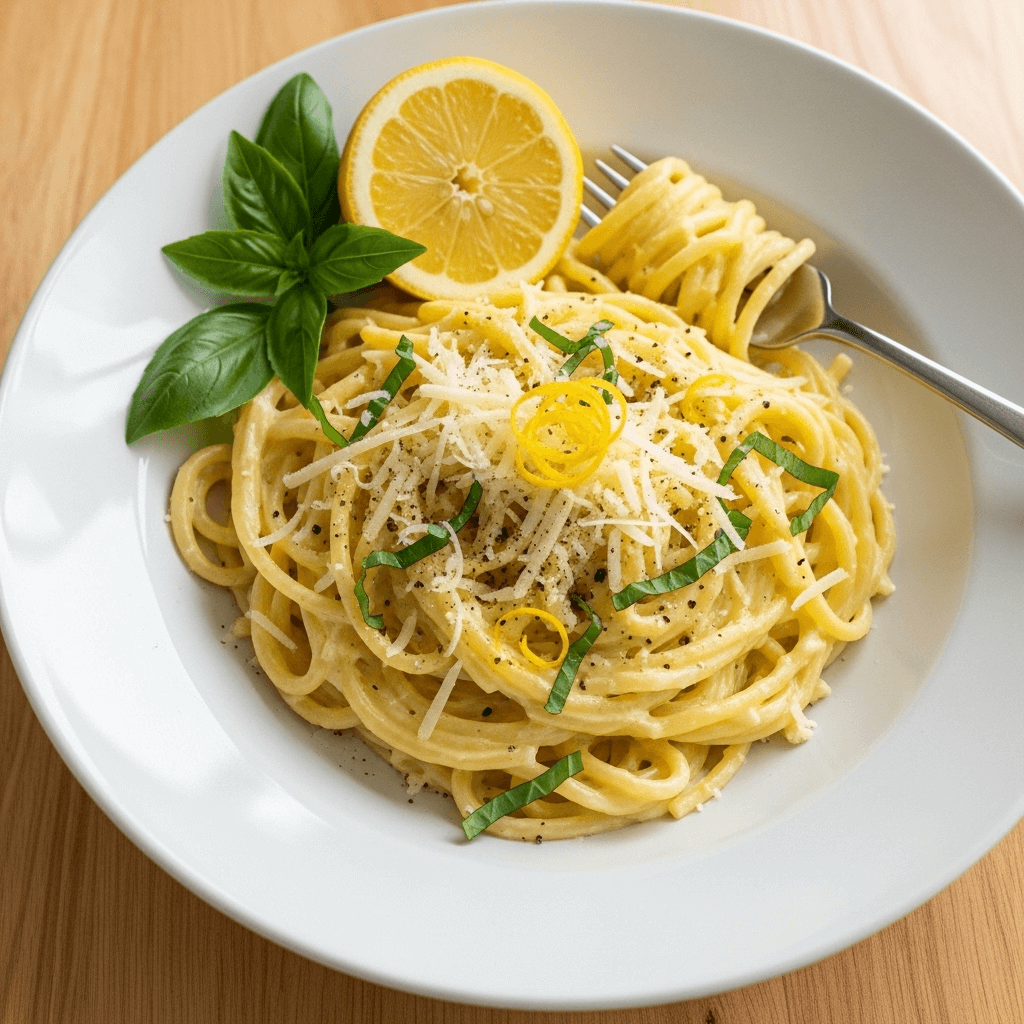

Imagine silky pasta coated in a luxurious, velvety sauce that’s bright with fresh lemon, rich with cream, and perfectly seasoned with garlic and Parmesan. This creamy lemon pasta is the epitome of simple elegance—a restaurant-quality dish you can whip up in your own kitchen in just 20 minutes. It’s the perfect answer to those busy weeknights when you want something special without spending hours in the kitchen.
What makes this creamy lemon pasta recipe so irresistible is the beautiful balance of flavors. The tangy brightness of fresh lemon cuts through the richness of the cream, creating a sauce that’s indulgent yet surprisingly light and refreshing. Each bite delivers creamy comfort with a zingy citrus note that keeps you coming back for more. It’s sophisticated enough for date night or entertaining guests, yet simple enough for a quick Tuesday dinner.
This versatile dish works beautifully as a main course for lunch or dinner, or as an elegant side dish alongside grilled chicken, shrimp, or salmon. Whether you’re looking for a meatless Monday option, a quick weeknight dinner solution, or an impressive dish to serve company, this easy lemon pasta delivers every time. The best part? You probably already have most of the ingredients in your pantry and refrigerator right now.
History / Background
While creamy lemon pasta might feel like a modern creation, its roots lie deep in Italian culinary tradition, particularly in the sun-drenched regions of Southern Italy where lemons grow abundantly. The Amalfi Coast, famous for its massive, fragrant lemons, has inspired countless lemon-based pasta dishes that celebrate this beloved citrus fruit.
Traditional Italian cuisine has always embraced the philosophy of using a few high-quality ingredients to create exceptional dishes. Pasta al limone, the classic Italian lemon pasta, typically features just pasta, lemon zest, lemon juice, olive oil, Parmesan cheese, and sometimes a splash of pasta water to create a light, emulsified sauce. This minimalist approach showcases the lemon’s bright, aromatic qualities while allowing the pasta to shine.
The addition of cream to create the “creamy” version we know today is likely an evolution that occurred as Italian cuisine spread worldwide and adapted to different palates. While purists might argue that cream-based lemon pasta isn’t traditionally Italian, it has become incredibly popular in Italian-American cuisine and modern Italian restaurants globally. The cream adds luxurious richness that makes the dish more substantial and appealing to those who love indulgent pasta sauces.
In Italian coastal towns, particularly in Campania and Sicily, lemons are a source of regional pride. The famous Sorrento lemons and Sicilian varieties are prized for their intense aroma, thick pith, and concentrated flavor. Home cooks in these regions have been making lemon pasta for generations, often adjusting recipes based on what’s available—sometimes adding fresh herbs like basil or parsley, or enriching the sauce with ricotta cheese.
Today, creamy lemon pasta represents a beautiful fusion of Italian tradition and contemporary taste preferences. It honors the Italian reverence for simple, seasonal ingredients while embracing the richness that modern diners love. This dish has become a staple in trattorias, home kitchens, and food blogs worldwide, proving that sometimes the best recipes are born when tradition meets innovation.
Why You’ll Love This Recipe
This creamy lemon pasta recipe is about to become your new favorite go-to dinner, and here’s why it deserves a permanent spot in your weekly rotation. The combination of convenience, flavor, and versatility makes it an absolute winner for home cooks.
- Lightning-Fast – Ready in just 20 minutes from start to finish, perfect for busy weeknights when time is short
- One-Pot Wonder – Minimal dishes to wash with everything coming together in one pan (plus the pasta pot)
- Bright & Refreshing – The fresh lemon provides a light, zingy flavor that doesn’t feel heavy despite the cream
- Pantry-Friendly – Made with simple ingredients you likely already have on hand
- Impressive Yet Easy – Looks and tastes gourmet but requires only basic cooking skills
- Naturally Vegetarian – A satisfying meatless meal that even carnivores will love
- Endlessly Customizable – Easy to add protein, vegetables, or adjust to your preferences
- Kid-Approved – The mild, creamy sauce appeals to picky eaters while being sophisticated enough for adults
- Budget-Friendly – Costs just a few dollars per serving using affordable ingredients
- Date Night Worthy – Restaurant-quality results that will impress your significant other or dinner guests
- Great for Meal Prep – Makes delicious leftovers that reheat beautifully
Ingredient Notes
Understanding your ingredients helps you achieve the best results and make smart substitutions when needed. Here’s what you’ll need for this creamy lemon pasta:
Pasta – Long pasta shapes work best for this sauce. Linguine, fettuccine, spaghetti, or angel hair all work beautifully. The flat shapes help the sauce cling better. For gluten-free, use a good-quality gluten-free pasta. I recommend cooking the pasta to just under al dente since it will continue cooking when tossed with the hot sauce.
Heavy Cream – This is the base of your luscious sauce. Heavy cream (also called heavy whipping cream) has a higher fat content than half-and-half, which means it won’t curdle when heated and creates a silkier texture. For a lighter version, you can use half-and-half, but the sauce will be thinner and less rich.
Fresh Lemons – Absolutely crucial! You’ll need both zest and juice. Fresh lemons provide brightness that bottled lemon juice simply cannot match. Plan on 2-3 medium lemons to get approximately ½ cup of juice and 2 tablespoons of zest. Meyer lemons work beautifully if you can find them—they’re sweeter and less acidic.
Parmesan Cheese – Use freshly grated Parmesan cheese, not the pre-grated stuff in a canister. Freshly grated Parmigiano-Reggiano melts smoothly into the sauce and provides that authentic, nutty flavor. The pre-grated versions often contain anti-caking agents that can make your sauce grainy.
Garlic – Fresh garlic cloves add aromatic depth to the sauce. Minced garlic from a jar works in a pinch, but fresh garlic provides better flavor. Don’t substitute garlic powder here—it won’t provide the same impact.
Butter – Unsalted butter adds richness and helps create a silky sauce. It also helps the garlic cook without burning. Butter is preferable to olive oil in this particular recipe because it contributes to the creamy texture.
Pasta Water – Don’t forget to reserve some starchy pasta cooking water! This liquid gold helps thin the sauce to the perfect consistency and helps it cling to the pasta. The starch in the water acts as a natural emulsifier.
Fresh Herbs – While optional, fresh basil or parsley adds color and a fresh herb note that complements the lemon beautifully. Use them as garnish or stir them into the finished dish.
Salt & Black Pepper – Essential for bringing out all the flavors. Since Parmesan is salty, taste before adding too much additional salt. Freshly cracked black pepper adds a nice subtle heat.
Optional: Red Pepper Flakes – A small pinch adds a gentle heat that works surprisingly well with the lemon’s brightness.
Equipment Needed
This simple recipe doesn’t require any specialized equipment. Here’s what you’ll need:
- Large pot for boiling pasta (at least 6 quarts)
- Large skillet or sauté pan (12-inch is ideal)
- Colander for draining pasta
- Zester or microplane (for lemon zest)
- Citrus juicer or reamer (or just a fork and your hands)
- Measuring cups and spoons
- Box grater or microplane (for Parmesan)
- Wooden spoon or silicone spatula for stirring
- Tongs or pasta fork (for tossing)
- Ladle or measuring cup (for reserving pasta water)
- Knife and cutting board
Lemon Pasta Recipe
- Total Time: 20 minutes
- Yield: 4 servings 1x
- Diet: Vegetarian
Description
This creamy lemon pasta features perfectly cooked pasta tossed in a luxurious sauce made with heavy cream, fresh lemon juice, lemon zest, garlic, and Parmesan cheese. It’s a quick, elegant dish that’s bursting with bright citrus flavor and ready in just 20 minutes.
Ingredients
- 12 oz pasta (linguine, fettuccine, or spaghetti)
- 2 tablespoons unsalted butter
- 4 cloves garlic, minced
- 1½ cups heavy cream
- Zest of 2 lemons (about 2 tablespoons)
- ½ cup fresh lemon juice (from 2–3 lemons)
- 1 cup freshly grated Parmesan cheese, plus more for serving
- ½ teaspoon salt (adjust to taste)
- ¼ teaspoon black pepper
- ½ cup reserved pasta water
- Fresh basil or parsley for garnish (optional)
- Red pepper flakes (optional, for heat)
Instructions
- Cook the Pasta – Bring a large pot of salted water to a boil. Add the pasta and cook according to package directions until just under al dente (about 1-2 minutes less than package instructions). Before draining, reserve 1 cup of pasta water. Drain the pasta and set aside.
- Prepare the Aromatics – While the pasta cooks, melt the butter in a large skillet over medium heat. Add the minced garlic and sauté for about 1 minute until fragrant but not browned. Be careful not to burn the garlic as it will taste bitter.
- Create the Cream Base – Pour the heavy cream into the skillet with the garlic. Bring to a gentle simmer, stirring occasionally. Let it simmer for 2-3 minutes to reduce slightly and thicken.
- Add Lemon – Remove the skillet from heat (this prevents the cream from curdling). Stir in the lemon zest and lemon juice. The sauce will look slightly thinner—this is normal.
- Add Cheese – Return the pan to low heat. Gradually add the freshly grated Parmesan cheese, stirring constantly until melted and smooth. Season with salt and pepper.
- Combine Pasta and Sauce – Add the drained pasta to the skillet. Using tongs, toss the pasta in the sauce until every strand is coated. If the sauce seems too thick, add reserved pasta water a few tablespoons at a time until you reach your desired consistency. The sauce should coat the pasta smoothly without being watery.
- Final Adjustments – Taste and adjust seasoning with additional salt, pepper, or lemon juice if needed. The flavor should be bright and lemony with a perfect balance of richness.
- Serve – Divide among plates or bowls. Garnish with extra Parmesan, fresh herbs, lemon zest, and red pepper flakes if desired. Serve immediately while hot.
Notes
- Use freshly squeezed lemon juice—bottled juice won’t provide the same bright, fresh flavor.
- Don’t skip reserving pasta water! It’s essential for achieving the perfect sauce consistency.
- Add the lemon juice off the heat to prevent the cream from curdling.
- Freshly grated Parmesan is crucial—pre-grated cheese won’t melt as smoothly.
- This pasta is best served immediately as the sauce thickens as it cools.
- For a lighter version, substitute half-and-half for heavy cream, though the sauce will be thinner.
- Prep Time: 5 minutes
- Cook Time: 15 minutes
- Category: Dinner
- Method: Stovetop
- Cuisine: Italian-American
Nutrition
- Serving Size: 1/4 of recipe (about 1½ cups)
- Calories: 625
- Sugar: 4g
- Sodium: 520mg
- Fat: 35g
- Saturated Fat: 21g
- Unsaturated Fat: 12g
- Trans Fat: 0g
- Carbohydrates: 62g
- Fiber: 3g
- Protein: 18g
- Cholesterol: 105mg
Tips & Variations
The beauty of this creamy lemon pasta is how easily you can customize it to suit your preferences or what you have on hand. Here are some delicious ways to make this recipe your own:
Protein Additions:
- Grilled Chicken – Top with sliced grilled chicken breast for a heartier meal
- Shrimp – Sauté shrimp in butter and garlic, then add to the pasta for a seafood twist
- Salmon – Flaked cooked salmon pairs beautifully with lemon and cream
- Italian Sausage – Browned and crumbled Italian sausage adds savory richness
- Rotisserie Chicken – Shredded store-bought rotisserie chicken makes an easy protein addition
Vegetable Add-Ins:
- Spinach – Stir in fresh baby spinach at the end and let it wilt
- Peas – Frozen peas add sweetness and color
- Asparagus – Sautéed asparagus pieces complement the lemon perfectly
- Cherry Tomatoes – Halved cherry tomatoes add bursts of freshness
- Zucchini – Diced and sautéed zucchini keeps the dish light
- Broccoli – Blanched broccoli florets add nutrition and texture
- Arugula – Toss in fresh arugula just before serving for peppery bite
Flavor Variations:
- Herby Lemon Pasta – Add fresh thyme, tarragon, or dill for different herb profiles
- Spicy Lemon Pasta – Increase red pepper flakes or add sliced fresno chilies
- Lemon Ricotta Pasta – Dollop spoonfuls of fresh ricotta on top before serving
- Lemon Pesto Pasta – Swirl in a tablespoon or two of basil pesto
- Garlic Lovers – Double the garlic for a more pronounced garlic flavor
Dietary Modifications:
- Lighter Version – Use half-and-half instead of heavy cream and reduce Parmesan
- Dairy-Free – Use coconut cream and nutritional yeast (flavor will differ significantly)
- Gluten-Free – Simply use your favorite gluten-free pasta
- Lower-Carb – Use spiralized zucchini noodles or shirataki noodles instead of pasta
Cheese Variations:
- Mix in some crumbled goat cheese or feta for tanginess
- Add a handful of grated Pecorino Romano for sharper flavor
- Stir in mascarpone for extra creaminess
Pro Chef Tips
Take your creamy lemon pasta from good to absolutely restaurant-quality with these professional techniques and insider secrets:
Pasta Water Is Liquid Gold – Always, always reserve at least 1 cup of pasta water before draining. This starchy water is the secret weapon professional chefs use to achieve perfectly emulsified, clingy sauces. Add it gradually—you can always add more but you can’t take it away. The starch helps bind the sauce to the pasta and creates that glossy, cohesive finish.
Salt Your Pasta Water Properly – Your pasta water should taste like the sea—about 1-2 tablespoons of salt per gallon of water. This is your only opportunity to season the pasta itself from the inside out. Undersalted pasta will taste bland no matter how well-seasoned your sauce is.
Undercook Your Pasta – Cook the pasta 1-2 minutes less than the package directions suggest. It will finish cooking when you toss it in the hot sauce, and this prevents overcooking. Perfectly al dente pasta has a slight firmness when you bite into it.
Room Temperature Lemon – Room temperature lemons yield more juice than cold ones. Roll the lemon firmly on the counter before cutting and juicing to break down the internal membranes and release more juice.
Zest Before Juicing – Always zest your lemons before juicing them. It’s nearly impossible to zest a juiced lemon half! Use a microplane for the finest zest that will melt into your sauce without adding stringy bits.
Temperature Control Matters – Remove the pan from heat when adding lemon juice to prevent the cream from curdling. The acidity in lemon juice can cause dairy to separate if it’s too hot. Add the juice, stir, then return to low heat.
Finish Cooking in the Sauce – Transfer the slightly undercooked pasta directly to the sauce and let it finish cooking there for the last 1-2 minutes. This allows the pasta to absorb the sauce’s flavor from the inside, creating better flavor integration.
The Toss Technique – Don’t just stir the pasta in the sauce—use tongs to lift and toss, creating air pockets that help the sauce coat every surface. This technique, called “mantecatura” in Italian, creates a cohesive, creamy consistency.
Add Cheese Off Heat – When adding Parmesan, remove the pan from heat or reduce to the lowest setting. High heat can cause the cheese to clump and become stringy instead of melting smoothly into the sauce.
Quality of Ingredients Matters – Since this is such a simple recipe with few ingredients, quality really shows. Invest in good Parmigiano-Reggiano, use real heavy cream, and fresh lemons. These choices make a noticeable difference in the final dish.
Serve Immediately – Cream-based pasta sauces are best served right away. They thicken as they cool, so have everything ready to go before you start cooking—plates warm, diners at the table.
Common Mistakes to Avoid
Even simple recipes have pitfalls. Here’s how to avoid the most common mistakes and ensure perfect results every time:
Mistake #1: Using Bottled Lemon Juice – Bottled lemon juice simply cannot compare to fresh squeezed lemons. It often has a bitter, artificial taste and lacks the bright, aromatic qualities of fresh lemon. Always use fresh lemons for this recipe—it’s the star ingredient and worth the extra few minutes of squeezing.
Mistake #2: Adding Lemon to Boiling Cream – If you add lemon juice while the cream is actively boiling, the acidity can cause the cream to curdle and separate into grainy clumps. Always remove from heat before adding lemon juice, stir it in, then return to low heat. This simple step prevents curdling.
Mistake #3: Not Reserving Enough Pasta Water – Many home cooks forget this step or only save a few tablespoons. Reserve at least 1 cup—you might not need it all, but it’s better to have too much than not enough. This starchy water is essential for adjusting sauce consistency and helping it cling to the pasta.
Mistake #4: Overcooking the Garlic – Burnt garlic tastes bitter and acrid, ruining the entire sauce. Cook it gently over medium heat for just 1 minute until fragrant. Watch it carefully and never let it turn brown. If it does burn, start over with fresh butter and garlic—it’s worth it.
Mistake #5: Using Pre-Grated Parmesan – Those shelf-stable containers of pre-grated Parmesan contain cellulose (wood pulp) to prevent clumping, which means they won’t melt smoothly. They’ll make your sauce grainy and won’t provide the same rich flavor. Take the extra minute to grate fresh Parmesan—the texture difference is dramatic.
Mistake #6: Not Tasting and Adjusting – Lemons vary in acidity and strength. Always taste your sauce before serving and adjust with more lemon juice, salt, or Parmesan as needed. The sauce should taste bright and balanced, neither too acidic nor too bland.
Mistake #7: Making It Too Far in Advance – This pasta doesn’t hold well. The sauce thickens and the pasta continues absorbing liquid as it sits. Make it fresh and serve immediately for the best texture and flavor. If you must make it ahead, undercook the pasta slightly and keep sauce and pasta separate until ready to serve.
Storage & Meal Prep
While creamy lemon pasta is best enjoyed fresh, proper storage techniques help you salvage and enjoy leftovers. Here’s everything you need to know:
Refrigerator Storage – Transfer cooled leftover pasta to an airtight container and refrigerate within 2 hours of cooking. It will keep for up to 3 days. The sauce will thicken considerably as it chills, which is normal for cream-based sauces.
Reheating Stovetop Method – This is the best way to reheat and restore the sauce’s creamy consistency. Place the pasta in a skillet over medium-low heat. Add 2-4 tablespoons of milk, cream, or pasta water per serving to loosen the sauce. Stir gently and heat through for 3-4 minutes until hot, adding more liquid as needed to reach the desired consistency.
Reheating Microwave Method – Place a portion in a microwave-safe bowl. Add 1-2 tablespoons of milk or water. Cover loosely with a damp paper towel and microwave in 30-second intervals, stirring between each, until heated through. This prevents uneven heating and helps maintain moisture.
Texture Changes – Be aware that reheated cream sauces never quite achieve the same silky texture as freshly made. The pasta will have absorbed much of the sauce, and the cream may separate slightly. Adding liquid during reheating helps, but expect slightly different results.
Not Recommended for Meal Prep – Unlike heartier pasta dishes like baked ziti or meat sauce pasta, this delicate cream sauce doesn’t hold up well for traditional meal prep. If you want to prep ahead, cook the components separately and combine when ready to eat.
Separating Components – For better results, you can cook and refrigerate plain pasta separately from the sauce. When ready to eat, reheat the sauce gently with a splash of cream, then add the pasta and toss to combine. This gives better texture than storing them together.
Make-Ahead & Freezer Notes
Cream-based pasta dishes are notoriously tricky to freeze, but with the right techniques, you can work around this recipe’s limitations:
Freezing Is Not Ideal – I’ll be honest: this creamy lemon pasta doesn’t freeze particularly well. Cream sauces tend to separate and become grainy when frozen and thawed. The texture will never be quite the same as freshly made. However, if you absolutely need to freeze it, here’s how to do it best:
Freezing Method – Let the pasta cool completely. Transfer to a freezer-safe container, leaving some space at the top for expansion. Press plastic wrap directly onto the surface to prevent freezer burn. Seal with an airtight lid. Label with the date and freeze for up to 1 month (not the usual 3 months for most foods, as quality deteriorates faster).
Thawing Process – Thaw frozen pasta overnight in the refrigerator, never at room temperature. Once thawed, you’ll notice the sauce has separated and looks curdled—this is normal and expected.
Reviving Frozen Pasta – Place the thawed pasta in a skillet over low heat. Add ¼ cup of fresh heavy cream or half-and-half. Stir constantly as it heats, adding more cream as needed to bring the sauce back together. You may also need to add a splash of milk or pasta water. The texture won’t be identical to fresh, but this method helps revive it considerably.
Better Make-Ahead Strategy – Instead of freezing the completed dish, consider this approach: Cook and freeze plain pasta in portions. When ready to eat, make fresh sauce (it only takes 10 minutes) and toss with the reheated pasta. This gives much better results than freezing the sauced pasta.
Prep Components Separately – You can prep ingredients ahead of time: Zest and juice lemons (store in separate containers in the fridge for up to 2 days), mince garlic (store covered in a small amount of olive oil), and grate Parmesan (store in an airtight container). This cuts your actual cooking time to about 10 minutes.
Sauce-Only Freezing – The sauce alone freezes slightly better than the complete dish. Make a double batch of sauce, freeze in portions, and thaw when needed to toss with freshly cooked pasta. Still not perfect, but better than freezing the combined dish.
Serving Suggestions
This versatile creamy lemon pasta works beautifully in various dining scenarios. Here’s how to serve it to maximum effect:
As a Main Course – Serve generous portions (about 1½-2 cups per person) in shallow bowls or pasta plates. Add protein like grilled chicken, shrimp, or salmon to make it a complete meal. Include a side salad and garlic bread for a satisfying dinner.
Side Dish Pairings – This pasta pairs beautifully with:
- Simple Green Salad – Mixed greens with a light vinaigrette provides fresh contrast to the rich pasta
- Caesar Salad – The lemony dressing complements the lemon pasta nicely
- Garlic Bread – Crusty, buttery garlic bread is perfect for soaking up extra sauce
- Roasted Vegetables – Asparagus, broccolini, or Brussels sprouts roasted with olive oil
- Caprese Salad – Fresh mozzarella, tomatoes, and basil offer a fresh, Italian accompaniment
Protein Pairings – Serve this pasta alongside:
- Grilled Chicken – Simple grilled chicken breast with Italian herbs
- Pan-Seared Salmon – The lemon in both dishes creates a cohesive flavor profile
- Grilled Shrimp – Lemon-garlic shrimp skewers are a natural match
- Herb-Crusted Pork Chops – The richness of pork balances the bright pasta
- Lamb Chops – For a more elegant dinner party option
Beverage Pairings:
- White Wine – Crisp Pinot Grigio, Sauvignon Blanc, or unoaked Chardonnay
- Sparkling Wine – Prosecco or Champagne for special occasions
- Non-Alcoholic – Sparkling water with lemon, iced tea, or Italian soda
Presentation Tips – Twirl pasta into nests using tongs before plating for restaurant-style presentation. Garnish with additional lemon zest, freshly cracked black pepper, torn fresh basil, and shaved Parmesan. A drizzle of good olive oil on top adds shine and richness.
Dinner Party Idea – This pasta is excellent for entertaining because it’s quick to prepare while guests arrive. Serve family-style in a large, beautiful serving bowl, allowing guests to help themselves. It feels special without requiring hours of preparation.
Light Lunch Option – Serve smaller portions (about 1 cup) with a side salad for a lighter lunch that won’t leave you feeling overly full.
FAQs Section
Can I use half-and-half instead of heavy cream?
Yes, but the sauce will be thinner and less rich. Half-and-half has a lower fat content, which means it won’t create as thick and luscious a sauce. If using half-and-half, you might want to add an extra tablespoon of butter and a bit more Parmesan to increase richness. The sauce also won’t reduce as well, so use pasta water more sparingly when adjusting consistency.
Why did my sauce curdle or separate?
Curdling typically happens when you add acidic lemon juice to cream while it’s too hot. Always remove the pan from heat before adding lemon juice, stir it in, then return to low heat. Also, make sure you’re using heavy cream, not milk or low-fat substitutes, which curdle more easily. If your sauce does separate, try whisking vigorously while adding a tablespoon of cold cream—this can sometimes bring it back together.
Can I make this recipe dairy-free?
It’s challenging to make this recipe dairy-free while maintaining the same flavor and texture, as cream and Parmesan are fundamental to the dish. However, you can try using full-fat coconut cream (not coconut milk) and nutritional yeast instead of Parmesan. The flavor will be significantly different—more coconut-forward rather than cheesy and rich—but it can work as an alternative version.
What’s the best pasta shape for this sauce?
Long, flat pasta shapes work best because they provide maximum surface area for the sauce to cling to. Linguine and fettuccine are ideal choices. Spaghetti works well too. Angel hair is fine if you prefer delicate pasta, though it can become too soft quickly. Short pasta shapes like penne or rigatoni work but don’t showcase the sauce as elegantly.
How can I make this healthier?
Several options: Use half-and-half instead of heavy cream; reduce the amount of cream to 1 cup and increase pasta water for thinning; use whole wheat pasta for added fiber; load up the dish with vegetables like spinach, cherry tomatoes, and zucchini; reduce Parmesan to ½ cup; or serve smaller portions as a side dish rather than a main course. You could also use zucchini noodles for half the pasta to reduce carbohydrates.
My sauce is too thick. How do I fix it?
Add reserved pasta water, a few tablespoons at a time, while tossing the pasta over low heat. The starchy pasta water will loosen the sauce while helping it maintain a cohesive texture. You can also add a splash of cream or milk if you prefer. Remember that cream sauces thicken as they cool, so factor in that the consistency when you first make it will thin out slightly by the time you serve it.
Can I add vegetables to this pasta?
Absolutely! This is a very adaptable recipe. Spinach, peas, asparagus, broccoli, cherry tomatoes, and zucchini all work beautifully. For heartier vegetables, sauté them before adding the cream. For delicate greens like spinach or arugula, simply add them at the very end and let them wilt in the residual heat. Frozen peas can be added directly to the hot pasta without pre-cooking.
How do I prevent the garlic from burning?
Use medium heat (not high) and watch the garlic carefully. It should become fragrant and just barely start to turn golden, which takes only 30-60 seconds. Burnt garlic has a bitter, acrid taste that will ruin the entire dish. If your garlic burns, discard it, wipe out the pan, and start again with fresh butter and garlic—it’s worth the extra minute.
Conclusion
There you have it—the recipe for incredibly delicious creamy lemon pasta that’s destined to become one of your most-requested dishes. The combination of silky cream, bright fresh lemon, aromatic garlic, and nutty Parmesan creates a symphony of flavors that’s both comforting and refreshing. And the best part? You can have this restaurant-quality meal on your table in just 20 minutes.
This is the kind of recipe that makes you feel like a confident, accomplished cook. It’s simple enough for a Tuesday night but impressive enough to serve to guests, and it never fails to earn compliments. Once you master this basic version, you’ll find yourself experimenting with the variations—adding shrimp one night, spinach another, maybe some grilled chicken when you want something heartier.
I hope this creamy lemon pasta brings as much joy to your dinner table as it has to mine. There’s something magical about twirling perfectly coated pasta around your fork and tasting that first bright, creamy, lemony bite. It’s comfort food that doesn’t weigh you down, indulgence that still feels fresh and light.
Now it’s your turn! Head to your kitchen, grab those lemons, and create something delicious. Don’t forget to snap a photo of your beautiful creation and pin it to Pinterest so others can discover this wonderful recipe. I’d absolutely love to hear how it turned out for you—did you add any creative variations? What did your family think? Drop a comment below and let me know!
Happy cooking, and may your pasta always be perfectly al dente and your sauce gloriously creamy!