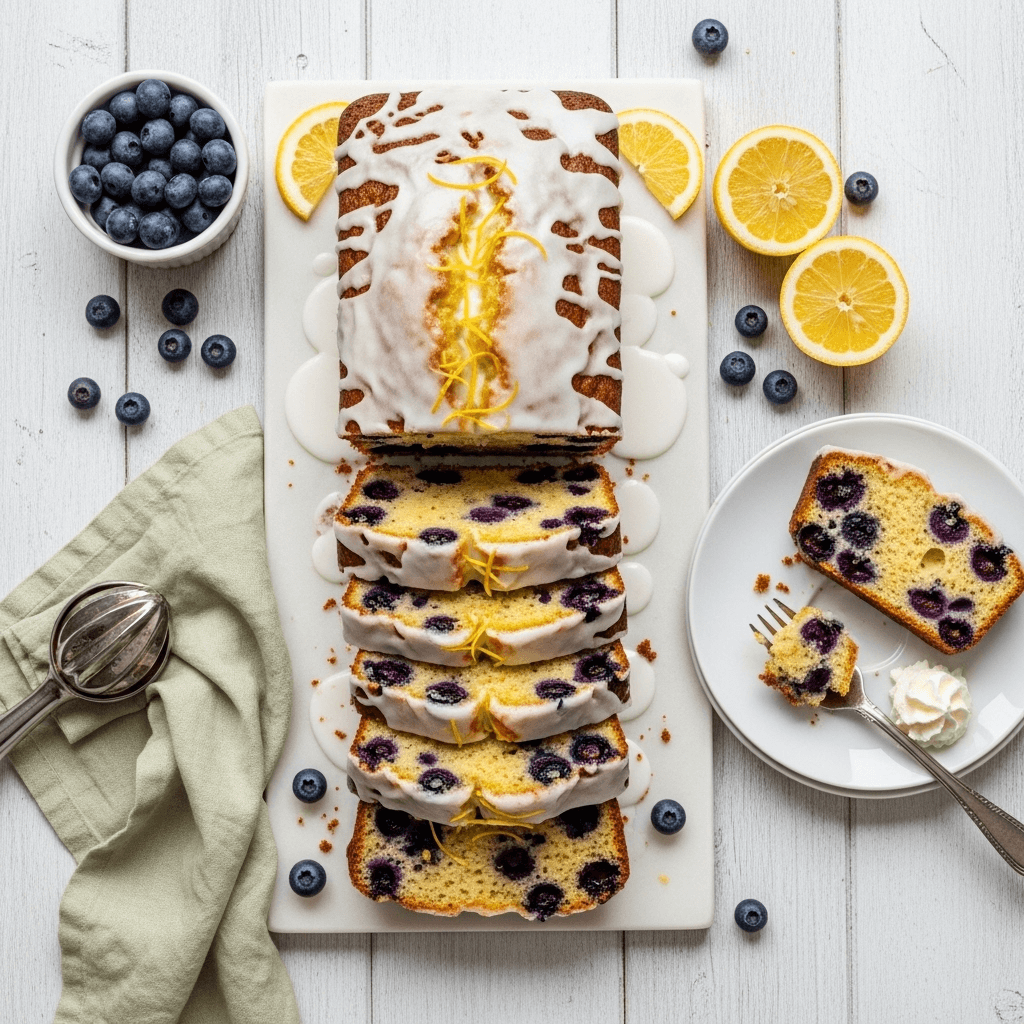

If you’re looking for a quick bread that perfectly balances sweet and tangy flavors while filling your kitchen with the most amazing aroma, this blueberry lemon loaf is exactly what you need. Picture this: a tender, moist loaf studded with juicy blueberries in every slice, bright lemon flavor throughout, and a sweet glaze drizzled on top that adds just the right finishing touch. This isn’t just any quick bread—it’s the kind of recipe that makes people ask for seconds and beg for the recipe.
This easy blueberry lemon bread has become incredibly popular for good reason. The combination of tart blueberries and zesty lemon creates a flavor profile that’s both refreshing and comforting. Unlike heavier banana breads or dense pound cakes, this loaf is light, tender, and almost cake-like in texture, making it perfect for any time of day. The burst of fresh lemon brightens everything up, while the blueberries add natural sweetness and beautiful pops of color throughout each slice.
This moist blueberry lemon loaf works beautifully for so many occasions. Serve it for a leisurely weekend breakfast or brunch alongside coffee and fresh fruit, pack slices for afternoon snacks or lunchboxes, bring it to potlucks and gatherings where it always disappears quickly, gift it to friends and neighbors as a thoughtful homemade treat, or enjoy it as a light dessert after dinner. It’s versatile enough to fit into any part of your day, elegant enough for special occasions, yet simple enough to make on a regular Tuesday afternoon when you’re craving something homemade and delicious.
History / Background
Quick breads like this blueberry lemon loaf have a fascinating place in American culinary history, representing a uniquely American contribution to the world of baking. Unlike traditional yeast breads that require rising time and kneading, quick breads use chemical leaveners like baking powder and baking soda, allowing them to be mixed and baked quickly—hence the name.
The development of quick breads coincided with the invention of baking powder in the 1850s, which revolutionized home baking. Before this innovation, breads required yeast (which was temperamental and time-consuming) or relied on beaten eggs for leavening. Baking powder made it possible for home bakers to create delicious baked goods quickly and reliably, which was especially important as America industrialized and people had less time for traditional bread-making.
The specific pairing of blueberries and lemon has deep roots in American cuisine, particularly in New England where wild blueberries grow abundantly. Native Americans had been harvesting and using blueberries for centuries before European settlers arrived, and they introduced colonists to these nutritious, flavorful berries. Blueberries became a staple in American baking, appearing in pies, muffins, pancakes, and eventually quick breads.
Lemon, while not native to America, became widely available in the late 19th and early 20th centuries as citrus cultivation expanded in California and Florida. The bright, acidic flavor of lemon proved to be the perfect complement to sweet blueberries, creating a balance that home bakers and professional chefs alike embraced. The combination became especially popular in mid-century American home baking, when fresh ingredients and “from scratch” recipes were highly valued.
The loaf format itself gained popularity in the early 20th century with the widespread adoption of standardized loaf pans, which made baking easier and more consistent. These pans created the perfect shape for slicing and serving, and the format lent itself beautifully to gift-giving and sharing with neighbors—a cornerstone of American home baking culture.
Today, blueberry lemon loaf represents the best of American quick bread tradition: simple to make, uses accessible ingredients, delivers impressive results, and combines flavors that feel both classic and refreshing. It’s the kind of recipe that’s been passed down through generations, adapted and perfected in countless home kitchens, and continues to be a beloved favorite that bridges the gap between everyday baking and special occasion treats.
Why You’ll Love This Recipe
This blueberry lemon loaf recipe is about to become one of your most-requested and frequently-made treats. It hits that perfect sweet spot where impressive meets approachable, and delicious meets doable. The tender crumb, bright citrus notes, and bursts of juicy blueberries create a flavor experience that feels both sophisticated and comforting.
Here’s why this lemon blueberry quick bread will become a staple in your baking rotation:
- Simple & Straightforward: No mixer required! Everything comes together in one bowl with just a whisk and spatula. Perfect for beginner bakers or busy days when you want homemade goodness without complexity.
- Quick to Make: From start to finish, you can have this loaf in the oven in just 15 minutes of hands-on work. Most of the time is hands-off baking.
- Perfectly Moist: The combination of butter, sour cream, and the right ratio of wet to dry ingredients creates an incredibly tender, moist crumb that stays fresh for days.
- Balanced Flavor: Not too sweet, not too tart—the lemon and blueberry combination is perfectly balanced and refreshing without being cloying.
- Beautiful Presentation: The golden top studded with blueberries and drizzled with white glaze looks bakery-worthy and always impresses.
- Freezer-Friendly: Make ahead and freeze for up to 3 months. Thaw and enjoy whenever you need a quick breakfast or snack.
- Versatile Timing: Equally perfect for breakfast, brunch, afternoon tea, snacks, or dessert. This loaf truly works any time of day.
- Uses Common Ingredients: No specialty items or hard-to-find ingredients required. Most items are probably already in your pantry.
- Great for Gifting: This loaf wraps beautifully and makes a thoughtful homemade gift that people genuinely love receiving.
- Kid-Approved: Children love the sweet blueberries and fun pop of color in every slice, making this a family-friendly recipe everyone enjoys.
- Adaptable: Easily swap blueberries for other berries, adjust lemon intensity, or try different glazes to make it your own.
- Stays Fresh: Keeps well for up to 4-5 days at room temperature, maintaining moisture and flavor throughout.
Whether you’re an experienced baker or just starting your baking journey, this recipe delivers consistent, delicious results that make you look like a baking superstar with minimal effort.
Ingredient Notes
Let’s dive into what makes this blueberry lemon loaf so special by examining each ingredient and understanding its role in creating the perfect texture and flavor.
All-Purpose Flour: The base of our loaf, providing structure without making it too dense or heavy. All-purpose flour has the ideal protein content for tender quick breads. Measure correctly by spooning flour into your measuring cup and leveling off—don’t scoop directly from the bag or pack it down, as this adds too much flour and creates a dry loaf.
Fresh or Frozen Blueberries: Both work beautifully in this recipe! Fresh blueberries are wonderful during summer when they’re in season, but frozen blueberries work year-round and are often more budget-friendly. If using frozen, don’t thaw them first—use them straight from the freezer to prevent color bleeding and mushiness. Toss berries in a tablespoon of flour before folding into batter to prevent sinking to the bottom.
Fresh Lemon Juice and Zest: This is where the bright, vibrant citrus flavor comes from. Always use fresh lemons, never bottled juice—the difference is dramatic. The zest (the yellow outer peel) contains aromatic oils that pack intense lemon flavor without adding acidity. One large lemon typically yields about 2-3 tablespoons juice and 1 tablespoon zest. Zest before juicing for easiest handling.
Granulated Sugar: Provides sweetness and helps create tender texture by interfering with gluten development. It also contributes to browning and that slightly crispy top crust we love on quick breads.
Butter: Use unsalted butter so you can control salt levels. Butter must be melted and slightly cooled before mixing. It adds richness, flavor, and helps create that tender, moist crumb. For dairy-free versions, use melted coconut oil (though flavor will be slightly different).
Eggs: Provide structure, richness, and help bind everything together. Use large eggs at room temperature—they incorporate more easily into the batter. To quickly bring eggs to room temperature, place them in a bowl of warm water for 5-10 minutes.
Sour Cream or Greek Yogurt: This is the secret to ultra-moist texture! The acidity tenderizes the crumb and the fat keeps everything soft and rich. Full-fat versions work best, but low-fat can be used in a pinch. Greek yogurt is an excellent substitute—use plain, unflavored varieties.
Milk: Provides moisture and helps create the right batter consistency. Whole milk gives the best flavor, but 2% works fine. For dairy-free, use unsweetened almond milk or oat milk.
Baking Powder and Baking Soda: These chemical leaveners create lift and a tender crumb. Baking powder provides most of the rise, while baking soda reacts with acidic ingredients (lemon juice, sour cream) to add extra lift and neutralize acidity. Make sure both are fresh—check expiration dates!
Salt: Essential for balancing sweetness and enhancing all the other flavors. Don’t skip it!
Vanilla Extract: Adds depth and rounds out the flavors. Use pure vanilla extract, not imitation, for best results.
For the Lemon Glaze: Powdered sugar (also called confectioners’ sugar) combined with fresh lemon juice creates a sweet-tart glaze that adds moisture and a beautiful finishing touch. The glaze is optional but highly recommended—it takes this loaf from delicious to absolutely irresistible.
Equipment Needed
This blueberry lemon loaf requires only basic baking equipment that most home kitchens already have:
- 9×5-inch Loaf Pan: The standard size for quick breads and pound cakes. Metal pans conduct heat best for even browning, but glass or ceramic work too (add 5 minutes to baking time if using glass).
- Mixing Bowls: One large bowl for wet ingredients, one medium bowl for dry ingredients. Glass or stainless steel both work perfectly.
- Whisk: For mixing dry ingredients and whisking together wet ingredients until smooth.
- Rubber Spatula: Essential for gently folding blueberries into batter without crushing them, and for scraping down bowl sides.
- Measuring Cups and Spoons: Accurate measurements are crucial in baking. Use dry measuring cups for flour and sugar, liquid measuring cups for liquids.
- Microplane Zester or Fine Grater: For zesting lemons without getting the bitter white pith underneath the yellow skin.
- Citrus Juicer (Optional): Makes extracting lemon juice easier, though you can squeeze lemons by hand.
- Parchment Paper: For lining the loaf pan. This makes removal foolproof and cleanup a breeze. Alternatively, grease and flour the pan thoroughly.
- Cooling Rack: Allows air to circulate around the loaf as it cools, preventing sogginess on the bottom.
- Toothpick or Cake Tester: For testing doneness. A wooden toothpick works perfectly.
- Small Bowl: For mixing the lemon glaze.
- Spoon or Small Whisk: For drizzling glaze over the cooled loaf.
That’s all you need! No fancy equipment or specialized tools required—just basic kitchen essentials that make this recipe accessible to everyone.
PrintBlueberry Lemon Loaf Recipe
- Total Time: 1 hour 15 minutes (plus cooling time)
- Yield: 1 loaf (10-12 slices) 1x
- Diet: Vegetarian
Description
This tender, moist blueberry lemon loaf is bursting with fresh blueberries and bright lemon flavor, then topped with a sweet lemon glaze. It’s the perfect easy quick bread for breakfast, brunch, or anytime you need something delicious!
Ingredients
For the Blueberry Lemon Loaf:
- 1¾ cups (220g) all-purpose flour, plus 1 tablespoon for coating blueberries
- 2 teaspoons baking powder
- ¼ teaspoon baking soda
- ½ teaspoon salt
- 1 cup (200g) granulated sugar
- 2 tablespoons lemon zest (from about 2 large lemons)
- ½ cup (115g) unsalted butter, melted and slightly cooled
- 2 large eggs, room temperature
- ½ cup (120g) sour cream or plain Greek yogurt, room temperature
- ¼ cup (60ml) fresh lemon juice (from about 1–2 lemons)
- ¼ cup (60ml) whole milk, room temperature
- 1 teaspoon pure vanilla extract
- 1½ cups (225g) fresh or frozen blueberries (do not thaw if frozen)
For the Lemon Glaze:
- 1 cup (120g) powdered sugar, sifted
- 2–3 tablespoons fresh lemon juice
- ½ teaspoon lemon zest (optional, for extra lemon punch)
Instructions
Step 1: Prep Your Pan and Oven
Preheat your oven to 350°F (175°C). Line a 9×5-inch loaf pan with parchment paper, leaving overhang on the long sides for easy removal, or thoroughly grease and flour the pan. Set aside.
Step 2: Mix Dry Ingredients
In a medium bowl, whisk together 1¾ cups flour, baking powder, baking soda, and salt until well combined. Set aside.
Step 3: Prepare Lemon Sugar
In a large mixing bowl, combine the granulated sugar and lemon zest. Use your fingers to rub the zest into the sugar for about 30 seconds—this releases the aromatic lemon oils and infuses the sugar with intense lemon flavor. This step makes a huge difference!
Step 4: Mix Wet Ingredients
To the lemon sugar, add the melted butter and whisk until combined. Add eggs one at a time, whisking well after each addition. Add sour cream, lemon juice, milk, and vanilla extract. Whisk until the mixture is smooth and well combined. It may look slightly curdled from the lemon juice—this is completely normal and fine!
Step 5: Combine Wet and Dry
Pour the dry ingredients into the wet ingredients. Using a rubber spatula or wooden spoon, gently fold everything together until just combined and no dry flour streaks remain. Do not overmix! The batter should be thick and slightly lumpy. Overmixing develops gluten, which creates tough, dense quick bread.
Step 6: Fold in Blueberries
In a small bowl, toss the blueberries with the remaining 1 tablespoon of flour until coated—this prevents them from sinking to the bottom. Gently fold the floured blueberries into the batter using a spatula, being careful not to crush them. Fold just until evenly distributed.
Step 7: Bake
Pour the batter into your prepared loaf pan, spreading it evenly. Tap the pan gently on the counter a few times to release any air bubbles. Bake for 55-65 minutes, or until the top is golden brown, the loaf has risen nicely with a crack down the center, and a toothpick inserted into the center comes out clean or with just a few moist crumbs (no wet batter). If the top is browning too quickly, loosely tent with aluminum foil after 40 minutes.
Step 8: Cool the Loaf
Remove from the oven and let the loaf cool in the pan on a wire rack for 15-20 minutes. Then, using the parchment paper overhang, carefully lift the loaf out of the pan and transfer to the wire rack to cool completely before glazing. This takes about 1-2 hours. Don’t skip cooling completely—glazing a warm loaf will cause the glaze to soak in and become invisible.
Step 9: Make the Lemon Glaze
Once the loaf is completely cool, make the glaze. In a small bowl, whisk together the powdered sugar and 2 tablespoons of lemon juice until smooth. The glaze should be thick but pourable—if too thick, add more lemon juice a teaspoon at a time; if too thin, add more powdered sugar. Stir in the optional lemon zest for extra flavor and visual appeal.
Step 10: Glaze and Serve
Drizzle or spread the glaze over the top of the cooled loaf, letting it drip down the sides naturally for a beautiful presentation. Let the glaze set for about 10-15 minutes before slicing. Cut into thick slices and serve!
Notes
- Fresh vs. Frozen Blueberries: Both work perfectly! If using frozen, do not thaw first. Use them straight from the freezer to prevent color bleeding into the batter.
- Don’t Overmix: Once you add the dry ingredients to the wet, mix only until just combined. Overmixing creates a tough, dense loaf instead of a tender one.
- Check Doneness: Ovens vary, so start checking at 55 minutes. The toothpick should come out clean or with a few moist crumbs. If there’s wet batter, bake for 5 more minutes and test again.
- Lemon Intensity: For milder lemon flavor, use only 1 tablespoon of zest. For extra lemony punch, use the full 2 tablespoons plus add zest to the glaze.
- Room Temperature Ingredients: This ensures everything mixes smoothly and creates the best texture. Set ingredients out 30 minutes before baking.
- Storage: Store covered at room temperature for up to 4 days, or refrigerate for up to 1 week.
- Prep Time: 15 minutes
- Cook Time: 55-65 minutes
- Category: Breakfast
- Method: Baking
- Cuisine: American
Nutrition
- Serving Size: 1 slice (1/10 of loaf)
- Calories: 295
- Sugar: 29g
- Sodium: 195mg
- Fat: 11g
- Saturated Fat: 7g
- Unsaturated Fat: 3g
- Trans Fat: 0g
- Carbohydrates: 46g
- Fiber: 1g
- Protein: 4g
- Cholesterol: 60mg
Tips & Variations
This blueberry lemon loaf is wonderfully adaptable! Here are some delicious ways to customize it to your preferences:
Berry Swaps: Replace blueberries with other berries—raspberries create a beautiful pink-studded loaf with tartness, strawberries (diced small) add sweet flavor, blackberries provide deep color and rich taste, or try a mixed berry combination for variety. Use the same 1½ cups total measurement regardless of berry choice.
Lemon Poppyseed Blueberry Loaf: Add 2 tablespoons of poppy seeds to the dry ingredients for that classic bakery-style combination. The tiny seeds add subtle crunch and visual interest.
Glazed Variations: Try different glazes—vanilla glaze (powdered sugar + milk + vanilla), cream cheese glaze (cream cheese + powdered sugar + lemon juice), or simple almond glaze (powdered sugar + milk + almond extract). Each offers a different flavor profile.
Streusel Topping: Before baking, sprinkle a simple streusel on top: combine ¼ cup flour, ¼ cup brown sugar, 3 tablespoons cold butter (cut into small pieces), and a pinch of cinnamon. Sprinkle over batter before baking for a crumbly, sweet topping.
Add Nuts: Fold in ½ cup chopped walnuts, pecans, or almonds along with the blueberries for added crunch and protein. Toasting the nuts first enhances their flavor.
Orange Blueberry Loaf: Substitute orange juice and zest for lemon for a sweeter, less tart citrus flavor that’s equally delicious.
Reduced Sugar Version: You can reduce the sugar to ¾ cup for a less sweet loaf that lets the blueberry flavor shine more. The texture remains excellent.
Dairy-Free Adaptation: Use melted coconut oil instead of butter, dairy-free yogurt or coconut yogurt instead of sour cream, and unsweetened almond or oat milk. The texture is nearly identical!
Mini Loaves: Divide batter among three 5.75 x 3-inch mini loaf pans. Reduce baking time to 35-40 minutes. Perfect for gifting or portion control!
Muffin Version: Pour batter into a lined 12-cup muffin tin, filling each cup about ¾ full. Bake at 375°F for 18-22 minutes. Perfect for grab-and-go breakfast!
Lemon Lavender Blueberry Loaf: Add ½ teaspoon culinary lavender (crushed slightly) to the dry ingredients for an elegant, floral note that pairs beautifully with lemon and blueberry.
Extra Blueberries: Love blueberries? Increase to 2 cups for maximum berry presence in every slice. The loaf will be even more moist and fruity.
Pro Chef Tips
These professional techniques will elevate your blueberry lemon loaf from good to absolutely exceptional:
Rub Lemon Zest into Sugar: This simple technique (called “zesting”) releases the aromatic oils from the lemon zest and infuses the sugar with intense citrus flavor. Rub the zest and sugar together between your fingers for 30 seconds—you’ll actually see the sugar become fragrant and slightly moist. This distributes lemon flavor throughout the entire loaf rather than having it concentrated in pockets.
Use Fresh, Quality Lemons: The quality of your lemons directly impacts flavor. Choose organic lemons if possible (especially since you’re using the zest), and select lemons that feel heavy for their size and have thin, smooth skin—these are juicier. Meyer lemons, if available, provide a sweeter, more floral lemon flavor that’s absolutely divine in this loaf.
Don’t Skip the Flour Coating on Berries: Tossing blueberries in a tablespoon of flour before folding into batter creates a light coating that absorbs moisture and helps suspend the berries throughout the loaf instead of sinking to the bottom. This ensures even distribution and prevents a soggy bottom. Use flour from your recipe measurement, or add an extra tablespoon.
Room Temperature Ingredients Mix Better: Cold ingredients don’t emulsify properly, leading to a curdled-looking batter and potentially dense texture. Set out eggs, sour cream, and milk 30-60 minutes before baking. If you forget, place eggs in warm water for 10 minutes, and microwave sour cream and milk for just 10-15 seconds to take the chill off.
Don’t Overmix the Batter: Once you add dry ingredients to wet, mix only until you see no more dry flour streaks. Some small lumps are perfectly fine and will bake out. Overmixing develops gluten, which creates tough, dense quick bread with tunnels throughout instead of tender, cake-like crumb. Use a gentle folding motion with your spatula rather than vigorous stirring.
Line Your Pan with Parchment: Even if your pan is non-stick, line it with parchment paper leaving overhang on the long sides. This makes removal completely foolproof and prevents any sticking. Grease the parchment lightly too for extra insurance.
Tent with Foil if Browning Too Fast: All ovens run differently, and the top of quick breads can brown before the center is cooked through. If your loaf is getting very dark after 40-45 minutes but isn’t done yet, loosely tent the top with aluminum foil to prevent over-browning while the center finishes baking.
Test for Doneness Correctly: Insert a toothpick or cake tester into the center of the loaf—it should come out clean or with a few moist crumbs, but no wet batter. The loaf should also spring back when gently pressed, and the internal temperature should be 200-205°F if using an instant-read thermometer.
Cool Completely Before Glazing: This is crucial! If you glaze a warm loaf, the heat melts the glaze and it soaks in completely, disappearing rather than creating that beautiful white drizzle on top. Be patient and let the loaf cool for at least 1-2 hours before glazing.
Slice with a Serrated Knife: A sharp serrated bread knife makes clean slices through the tender crumb and berries without squishing or tearing. Use a gentle sawing motion and wipe the blade between cuts for the neatest presentation.
Common Mistakes to Avoid
Even straightforward recipes can go wrong if you’re not careful about a few key details. Here are the most common mistakes and how to avoid them:
Using Too Much Flour: This is the number one cause of dry, dense quick bread. Flour can compact in storage, so measuring by scooping directly from the bag packs in way too much. Always spoon flour into your measuring cup, then level off with a knife. Even better, use a kitchen scale for precision—1¾ cups flour = 220 grams. Too much flour creates a heavy, dry loaf that crumbles when sliced instead of having that moist, tender crumb we’re after.
Overmixing the Batter: Once you combine wet and dry ingredients, your job is to gently fold them together until just barely combined. You should still see a few small streaks of flour when you stop mixing—they’ll incorporate during baking. Overmixing develops gluten strands, which make bread chewy and tough instead of tender. It also creates tunnel-like holes throughout the loaf and a dense, compact crumb. Mix with a light hand and stop as soon as ingredients come together.
Not Coating Blueberries in Flour: Skipping this step means your blueberries will likely sink to the bottom of the loaf, creating an uneven distribution and potentially a soggy bottom layer. The light flour coating absorbs some moisture and helps berries stay suspended throughout the batter. It takes 30 seconds and makes a visible difference in the final result.
Opening the Oven Door Too Early: Every time you open the oven, you release heat and can cause the loaf to sink in the center. Quick breads are particularly sensitive during the first 40 minutes of baking when they’re still rising and setting structure. Resist the urge to peek until at least 45 minutes have passed. Use your oven light instead of opening the door.
Not Cooling Long Enough Before Removing from Pan: Pulling the loaf out of the pan too soon often results in it breaking apart because the structure hasn’t set yet. Let it cool in the pan for 15-20 minutes minimum. The residual heat continues cooking the loaf slightly and firms it up enough for clean removal. If you’re impatient and try to remove it while very hot, you’ll likely end up with a crumbly mess instead of beautiful intact slices.
Glazing a Warm Loaf: I cannot stress this enough—you must wait until the loaf is completely cool (about 1-2 hours) before adding glaze. A warm loaf melts the glaze, causing it to soak into the bread and disappear instead of creating that beautiful white topping. I know it’s hard to wait, but trust me, the patience is worth it for that gorgeous bakery-style presentation.
Storage & Meal Prep
This blueberry lemon loaf stores beautifully and actually tastes even better the next day as the flavors meld together. Here’s how to store it properly:
Room Temperature Storage: Once completely cooled and glazed, wrap the loaf tightly in plastic wrap or store in an airtight container. Keep at room temperature for up to 4-5 days. The loaf will actually stay moist longer than you’d expect thanks to the sour cream and butter in the recipe. This is the best storage method if you’ll finish it within a few days.
Refrigerator Storage: While not necessary, you can refrigerate the loaf to extend its life to 7-8 days. Wrap it well or store in an airtight container to prevent it from absorbing refrigerator odors. Bring slices to room temperature or warm slightly in the microwave (10-15 seconds) before eating, as refrigeration firms up the texture slightly. Cold slices are actually delicious too—it’s personal preference!
Individual Slice Storage: For grab-and-go convenience, slice the entire loaf and wrap individual slices in plastic wrap or parchment paper, then store all wrapped slices together in a freezer bag or container. This makes it easy to grab one slice at a time for breakfast or snacks without exposing the entire loaf to air repeatedly.
Preventing Staleness: Quick breads stale primarily from moisture loss, not from actual spoilage. Keep the loaf tightly wrapped at all times when not serving. If slices start to dry out slightly, toast them lightly or warm in the microwave with a few drops of water on the plate (covered) for 15-20 seconds to revive moisture.
Unglazed Storage: If you prefer, you can store the loaf unglazed and make fresh glaze right before serving. This prevents the glaze from becoming too soft or sticky during storage and gives you that fresh-glazed look every time.
Meal Prep Ideas: This loaf is perfect for weekly meal prep. Bake on Sunday, slice once cool, and you have breakfast or snacks ready for the entire week. Pair slices with yogurt, fresh fruit, or your morning coffee for a complete breakfast. The consistent quality throughout the week makes this ideal for busy mornings when you need something quick but homemade.
Make-Ahead & Freezer Notes
This blueberry lemon loaf is incredibly freezer-friendly, making it perfect for advance preparation or preserving leftovers. Here’s everything you need to know:
Freezing the Whole Loaf: Once the loaf is completely cooled, you can freeze it glazed or unglazed (unglazed is recommended for best texture). Wrap the loaf tightly in two layers of plastic wrap, then wrap again in aluminum foil or place in a freezer-safe bag, removing as much air as possible. Freeze for up to 3 months. To thaw, leave wrapped and thaw at room temperature for 2-3 hours, or overnight in the refrigerator. If frozen unglazed, add fresh glaze after thawing for the best presentation.
Freezing Individual Slices: This is my favorite method for maximum convenience. Slice the cooled loaf, wrap each slice individually in plastic wrap, then place all wrapped slices in a large freezer bag. Freeze for up to 3 months. To enjoy, remove one slice at a time and thaw at room temperature for 30-45 minutes, or microwave from frozen for 20-30 seconds at 50% power. This is perfect for portion control and grab-and-go breakfasts!
Baking Ahead for Events: If you’re making this for a brunch or gathering, you can bake it 1-2 days in advance. Store wrapped at room temperature, and add the glaze on the morning of your event for that fresh, bakery-style appearance. The loaf actually tastes better after sitting for a day as the flavors develop and meld together.
Freezing Unglazed vs. Glazed: Both work, but unglazed freezes slightly better. The glaze can become sticky or weepy as it thaws, though it still tastes fine. If you do freeze glazed, let the glaze set completely (about 30 minutes) before wrapping. For presentation purposes, freezing unglazed and adding fresh glaze after thawing gives you the most beautiful results.
Making Batter in Advance: Unlike cookie dough, quick bread batter doesn’t freeze well and should be baked fresh. The leaveners start working as soon as liquid touches them, so letting batter sit (even refrigerated) results in flat, dense baked goods. Always bake the batter within 15-20 minutes of mixing for best rise and texture.
Thawing Methods: The best way to thaw is slowly at room temperature while still wrapped—this prevents condensation from making the exterior soggy. For a whole loaf, this takes 2-3 hours. For individual slices, 30-45 minutes is plenty. You can speed up thawing in the microwave, but be gentle—use 50% power in 20-second intervals to avoid cooking the loaf.
Refreshing Frozen Loaf: If your thawed loaf seems a bit dry on the exterior, refresh it by warming individual slices in a 300°F oven for 5-7 minutes, or toast slices lightly. This revives the texture and makes it taste freshly baked again. A light butter spread before warming adds extra moisture and richness.
Gift-Giving Timeline: If making this as a gift, bake 1-2 days in advance, wrap beautifully in cellophane or parchment with a ribbon, and include storage instructions. The loaf will still be fresh and delicious for 3-4 days, giving recipients plenty of time to enjoy it.
Serving Suggestions
While this blueberry lemon loaf is absolutely delicious on its own, here are some wonderful ways to serve it and complementary items that elevate the experience:
Classic Breakfast: Serve thick slices of lemon blueberry loaf alongside your morning coffee or tea, scrambled eggs or an omelet for protein, fresh fruit salad with strawberries and melon, crispy bacon or breakfast sausage, and a glass of fresh-squeezed orange juice. This creates a balanced, satisfying breakfast that feels special.
Brunch Spread: Make this loaf the star of your brunch table. Serve with Greek yogurt parfaits layered with granola, a platter of assorted fresh berries, smoked salmon and cream cheese bagels, quiche or egg casserole, fresh-brewed coffee and herbal teas, and champagne or mimosas for adult guests. The bright citrus flavor pairs beautifully with brunch foods.
Afternoon Tea: This loaf is perfect for British-style afternoon tea. Serve slightly warm with Earl Grey or English Breakfast tea, clotted cream or whipped cream on the side, lemon curd for spreading, cucumber sandwiches and scones, and fresh strawberries. The elegant lemon flavor makes it ideal for tea time.
Simple Enhancements: Elevate individual slices with softened butter or whipped honey butter spread on warm slices, cream cheese (regular or whipped) for tangy richness, lemon curd layered with cream cheese for double lemon flavor, fresh whipped cream dolloped on top, or a light dusting of powdered sugar for pretty presentation.
Dessert Transformation: Turn this into a show-stopping dessert by toasting a slice and topping with vanilla ice cream or lemon sorbet, drizzling with warm berry compote or coulis, adding a dollop of mascarpone or crème fraîche, sprinkling with toasted sliced almonds, or serving with fresh berries macerated in sugar and lemon juice.
Coffee Pairings: The bright lemon pairs beautifully with coffee. Try it with medium or dark roast coffee for contrast, café au lait for French café vibes, cold brew coffee on ice for summer, or a vanilla latte that complements the sweetness.
Beverage Pairings: Beyond coffee, this loaf pairs wonderfully with cold whole milk (classic and perfect), hot herbal tea like chamomile or peppermint, iced lemon tea for double citrus, fresh lemonade for maximum refreshment, or white wine like Moscato or Riesling for adult gatherings.
Seasonal Serving: In summer, serve chilled with iced beverages and fresh berries. In winter, serve slightly warmed with hot drinks and a cozy blanket. The loaf works beautifully year-round but feels especially right for spring and summer with its bright, fresh flavors.
Potluck Presentation: When bringing to gatherings, slice the loaf beforehand and arrange on a pretty platter, drizzle with extra glaze right before serving, garnish with fresh blueberries and lemon slices for color, and provide small plates and napkins nearby. Include a small card with the recipe name so people can ask for the recipe!
Kids’ Snack Time: Children love this loaf! Serve with cold milk or chocolate milk, apple slices or baby carrots for nutrition balance, cheese cubes for protein, and let them help spread butter or cream cheese on their slice for a fun, interactive snack.
FAQs Section
Can I use frozen blueberries instead of fresh?
Absolutely! Frozen blueberries work just as well as fresh in this recipe and are often more budget-friendly and available year-round. The key is to NOT thaw them first—use them straight from the freezer. Toss the frozen berries in the tablespoon of flour just like you would fresh ones, then fold into the batter. Frozen berries may cause slight color bleeding, giving the loaf a purple-ish tint in spots, but this doesn’t affect flavor at all. The loaf may need an extra 5 minutes of baking time since frozen berries cool down the batter slightly.
Why did my blueberries sink to the bottom?
Blueberries sink when they’re too heavy for the batter to support, or when the batter is too thin. To prevent this, always toss your berries in a tablespoon of flour before folding them in—this coating helps them stay suspended. Also, make sure you’re not overmixing the batter, which can thin it out. Use a gentle folding motion to incorporate berries. Another tip: reserve a few tablespoons of berries and press them into the top of the batter right before baking—these will stay on top for a beautiful presentation regardless. If you followed the recipe exactly and they still sank, it might be that your berries were very large or the batter was mixed too much.
How do I know when the loaf is done baking?
There are several reliable indicators: (1) The top should be golden brown with a nice crack down the center; (2) A toothpick or cake tester inserted into the center should come out clean or with just a few moist crumbs, but no wet batter; (3) The loaf should spring back when gently pressed in the center; (4) The edges should be pulling away slightly from the pan sides; (5) An instant-read thermometer inserted in the center should read 200-205°F. Start checking at 55 minutes, as ovens vary significantly. If the top is browning too fast but the center isn’t done, tent loosely with foil and continue baking.
Can I make this recipe into muffins?
Yes! This batter makes excellent muffins. Line a 12-cup muffin tin with paper liners or grease well. Fill each cup about ¾ full with batter. Increase oven temperature to 375°F and bake for 18-22 minutes, or until a toothpick comes out clean and tops spring back when touched. Muffins bake faster than a loaf, so watch them carefully. Let cool in the pan for 5 minutes before transferring to a wire rack. You can drizzle the glaze over cooled muffins or leave them plain. This makes about 12 standard muffins.
My loaf has a crack on top—did I do something wrong?
Not at all! A crack down the center of the loaf is completely normal and actually desirable in quick breads. It happens because the outside of the loaf sets first while the center is still rising, causing it to crack open as it continues to expand. This is a sign your leaveners worked properly and your loaf rose nicely. The crack gives quick breads their characteristic rustic, homemade appearance. In fact, many bakers consider it the mark of a well-made loaf. Embrace the crack—it’s where you’ll drizzle the most glaze!
Can I reduce the sugar in this recipe?
You can reduce the sugar slightly (to ¾ cup instead of 1 cup) without dramatically affecting texture, though the loaf will be less sweet and allow the tartness of lemon and blueberries to come through more prominently. Going below ¾ cup starts to affect texture because sugar doesn’t just provide sweetness—it also tenderizes the crumb, helps with browning, and retains moisture. If reducing sugar, you might also want to reduce the lemon juice by a tablespoon to balance the tartness. Keep in mind that this is meant to be a sweet bread/dessert bread, so it’s naturally on the sweeter side.
Why is my loaf dense instead of light and fluffy?
Dense quick bread usually results from one of these issues: (1) Too much flour—always measure by spooning and leveling, never scooping; (2) Overmixing the batter after adding flour, which develops too much gluten; (3) Old or expired leaveners (baking powder/soda)—check dates and replace if questionable; (4) Not enough leavener—make sure you’re using the full amounts specified; (5) Oven temperature too low, which prevents proper rise; (6) Opening the oven door too early, causing the loaf to collapse. For the lightest texture, measure carefully, mix gently, use fresh leaveners, and resist peeking until at least 45 minutes into baking.
Conclusion
There you have it—everything you need to create the most delicious, moist, bursting-with-flavor blueberry lemon loaf right in your own kitchen! This recipe truly delivers on all fronts: it’s simple enough for beginners yet impressive enough to serve at your fanciest brunch, it uses everyday ingredients you probably already have on hand, and it produces consistent, reliable results every single time. The combination of sweet blueberries and bright, zesty lemon is pure magic—refreshing without being tart, sweet without being cloying, and absolutely addictive in the best possible way.
What I love most about this lemon blueberry quick bread is its incredible versatility. It works beautifully for so many occasions and times of day—from your morning coffee ritual to afternoon tea with friends, from casual family breakfasts to elegant brunch spreads, from lunchbox treats to after-dinner dessert. It’s the kind of recipe that becomes a staple in your baking rotation because it just works, always earns compliments, and makes your home smell absolutely amazing while it bakes.
The beauty of this recipe lies in its simplicity. No fancy techniques, no unusual ingredients, no complicated steps—just straightforward mixing, patient baking, and a gorgeous result that looks and tastes like you spent hours perfecting it. And because it stores and freezes so beautifully, you can always have a slice (or a whole loaf) ready when the craving strikes or when you need a last-minute homemade gift that truly shows you care.
I genuinely hope this blueberry lemon loaf brings as much joy to your kitchen as it has to mine. Whether you’re baking it for the first time or the fiftieth, there’s something special about slicing into that golden loaf, seeing those beautiful blueberries throughout, and taking that first bite where you get both the sweet fruitiness and the bright lemon in perfect harmony.
Now I’m dying to hear about your experience! When you bake this loaf, please come back and tell me all about it. Did the house smell amazing? Did your family devour it immediately? Did you try any of the variations? What did you serve it with? Leave a comment below with your thoughts, photos, questions, or your own creative twists on the recipe—I genuinely love hearing from readers and learning how you make recipes your own!
And if this recipe made you happy (which I really think it will), please pin it to your Pinterest boards so you can find it easily whenever that blueberry lemon craving hits. Share it with your baking-loving friends, your brunch crew, your mom, your neighbor—anyone who appreciates really good homemade quick bread. Let’s spread the joy of baking together!
Happy baking, and may your kitchen always be filled with the sweet scent of blueberries and lemon!