

Get ready to meet your new favorite veggie burger recipe – one that actually tastes amazing, holds together beautifully, and doesn’t fall apart on the grill! If you’ve been disappointed by mushy, flavorless veggie burgers in the past, this recipe is about to change your mind completely. These homemade veggie burgers are packed with real vegetables, hearty beans, and a blend of spices that create a satisfying, meaty texture without any meat at all.
What makes this easy veggie burger stand out from store-bought versions? It’s all about the perfect balance of ingredients and technique. These patties are crispy on the outside, tender on the inside, and bursting with savory, umami-rich flavor that even meat-lovers will devour. Plus, they’re incredibly versatile – grill them, pan-fry them, or bake them in the oven, and they’ll turn out perfect every time.
These healthy veggie burgers are ideal for summer cookouts, Meatless Mondays, meal prep Sunday, quick weeknight dinners, or anytime you’re craving a satisfying plant-based meal. Serve them on toasted buns with all your favorite toppings, wrap them in lettuce for a low-carb option, or crumble them over salads for a protein boost. Whether you’re fully vegetarian, trying to eat more plant-based meals, or simply looking for a delicious burger alternative, this recipe delivers every single time!
History / Background
The veggie burger as we know it today has a fascinating evolution that spans several decades and cultures. While vegetarian patties have existed in various forms for centuries – think Indian vegetable cutlets, Middle Eastern falafel, and Japanese vegetable korokke – the modern “veggie burger” emerged in the United States during the 1980s.
The first commercially available veggie burger was created by Gregory Sams in London in 1982, called the “VegeBurger.” Around the same time, American health food stores began experimenting with grain-and-vegetable-based patties as alternatives to beef burgers. These early versions were often criticized for being dry, bland, and falling apart easily – giving veggie burgers a bad reputation that lasted for years.
Throughout the 1990s and early 2000s, as vegetarianism and health-conscious eating gained mainstream popularity, food manufacturers worked to improve veggie burger formulations. Companies like Gardenburger, Boca Burger, and MorningStar Farms became household names, offering convenient frozen patties that tasted better than their predecessors but still couldn’t quite match the satisfaction of a beef burger.
The real revolution came in the 2010s with the plant-based food movement, when chefs and home cooks began approaching veggie burgers with the same creativity and technique as traditional burgers. Instead of trying to hide vegetables in a burger-shaped form, modern recipes celebrate them – using hearty beans and lentils for protein, mushrooms for umami depth, and binders like oats and flaxseed to create patties that genuinely satisfy.
This recipe draws inspiration from that modern approach, combining black beans (a staple in Southwestern cuisine), earthy mushrooms (beloved in European cooking), and aromatic spices (influenced by Indian and Middle Eastern traditions) to create a truly global, truly delicious veggie burger. It’s proof that plant-based eating doesn’t mean compromising on flavor or satisfaction – it means celebrating vegetables at their very best!
Why You’ll Love This Recipe
This best veggie burger recipe isn’t just another mediocre meatless option – it’s a genuinely crave-worthy meal that happens to be plant-based. These patties have everything you want in a great burger: texture, flavor, and the ability to actually hold together when you take a bite!
Here’s why this recipe is a total winner:
- Actually holds together – No more burgers falling apart on the grill or in your hands! The perfect ratio of binders ensures sturdy patties
- Incredibly flavorful – Loaded with sautéed vegetables, garlic, spices, and umami-rich ingredients for maximum taste
- Customizable to your taste – Easily adjust spice levels, swap vegetables, or add your favorite seasonings
- Budget-friendly – Made with affordable pantry staples like beans, oats, and vegetables
- Meal prep friendly – Make a big batch and freeze for quick meals throughout the month
- Family-approved – Even picky eaters and meat-lovers enjoy these burgers
- Protein-packed – Each patty delivers substantial plant-based protein to keep you satisfied
- Versatile cooking methods – Grill, pan-fry, bake, or air-fry with equally delicious results
- Allergy-friendly options – Easily made gluten-free, nut-free, and can be made soy-free
- Healthier than beef – Lower in saturated fat and cholesterol, higher in fiber
- Quick to make – Ready from start to finish in under 45 minutes
- Perfect texture – Crispy exterior with a tender, meaty interior that’s never mushy
- Great for meal prep – Patties stay fresh in the fridge for days or freeze beautifully for months
Ingredient Notes
Understanding what goes into these homemade veggie burgers helps you make smart substitutions and achieve the best results every time. Here’s the breakdown:
Black Beans – The foundation of these burgers, providing protein, fiber, and a creamy texture when mashed. Canned beans work great (just drain and rinse them), or cook dried beans if you prefer. You can substitute with pinto beans, kidney beans, or chickpeas, though black beans give the meatiest texture and color.
Mushrooms – These add incredible umami flavor and a meaty texture that makes the burgers more substantial. Cremini (baby bella) mushrooms work best, but white button mushrooms are fine too. Finely chop them so they distribute evenly – don’t use a food processor or they’ll release too much moisture.
Old-Fashioned Oats – Acts as a binder and adds texture while keeping the burgers gluten-free (use certified GF oats if needed). Quick oats can work but may make the burgers slightly softer. Don’t use instant oatmeal packets, as they contain added ingredients. You can substitute with breadcrumbs if you prefer, but oats add more nutrition.
Flaxseed Meal – Mixed with water, this creates a “flax egg” that binds everything together. It’s the secret to burgers that don’t fall apart! You can substitute with chia seeds (same ratio) or a real egg if you’re not vegan, though flax adds beneficial omega-3s.
Onion and Garlic – These aromatics build the flavor foundation. Sautéing them first (rather than adding raw) removes harsh bite and concentrates their sweetness. Red onion, yellow onion, or shallots all work beautifully.
Soy Sauce or Tamari – Adds salty, umami depth that makes these burgers taste more substantial and “meaty.” Tamari is the gluten-free option. You can substitute with Worcestershire sauce (check for vegetarian versions) or coconut aminos for soy-free.
Spices (Cumin, Smoked Paprika, Garlic Powder) – These create complex, savory flavor. Smoked paprika is particularly important for adding a subtle smoky, grilled flavor even when baked. Feel free to adjust spices to your preference or add chili powder for heat.
Whole Wheat Flour – A small amount helps bind and absorb moisture. Use all-purpose flour, chickpea flour, or additional oat flour for gluten-free versions.
Fresh Parsley – Adds brightness and freshness. Cilantro works too if you prefer it, or try fresh basil for an Italian twist.
Olive Oil – For cooking and adding richness. Avocado oil or vegetable oil work as substitutes.
Equipment Needed
Having the right tools makes preparing these easy veggie burgers much simpler. Here’s what you’ll need:
- Large skillet or frying pan (for sautéing vegetables and cooking burgers)
- Food processor or potato masher (for mashing beans)
- Large mixing bowl
- Measuring cups and spoons
- Sharp knife and cutting board
- Spatula (a sturdy metal or silicone spatula for flipping)
- Small bowl (for mixing flax egg)
- Baking sheet (if baking instead of pan-frying)
- Parchment paper or silicone baking mat (optional, prevents sticking)
- Burger press or measuring cup (optional, for uniform patties)
- Grill or grill pan (optional, for grilled burgers)
- Air fryer (optional alternative cooking method)
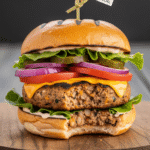
Veggie Burger Recipe
- Total Time: 40 minutes
- Yield: 6 burgers 1x
- Diet: Vegetarian
Description
The ultimate homemade veggie burger packed with black beans, mushrooms, and flavorful spices. These healthy veggie burgers have a crispy exterior, meaty texture, and actually hold together beautifully whether grilled, baked, or pan-fried. Perfect for meal prep and customizable to your taste!
Ingredients
For the Flax Egg:
- 2 tablespoons ground flaxseed meal
- 6 tablespoons water
For the Veggie Burgers:
- 2 tablespoons olive oil, divided
- 8 ounces (about 3 cups) cremini mushrooms, finely chopped
- 1 medium onion, finely diced
- 3 cloves garlic, minced
- 1 (15-ounce) can black beans, drained and rinsed (about 1½ cups)
- 1 cup old-fashioned rolled oats (use certified GF if needed)
- ¼ cup whole wheat flour (or all-purpose, or chickpea flour for GF)
- 2 tablespoons soy sauce or tamari
- 1 teaspoon ground cumin
- 1 teaspoon smoked paprika
- ½ teaspoon garlic powder
- ½ teaspoon black pepper
- ¼ teaspoon cayenne pepper (optional, for heat)
- ½ teaspoon salt
- ¼ cup fresh parsley, finely chopped
- Additional oil for cooking
For Serving:
- 6 burger buns (use GF if needed)
- Lettuce, tomato, onion, pickles
- Condiments of choice (mayo, mustard, ketchup, special sauce)
Instructions
Step 1: Prepare the Flax Egg
In a small bowl, combine the ground flaxseed meal with 6 tablespoons of water. Stir well and set aside for 10 minutes to thicken. It should become gel-like and egg-like in consistency. This acts as the binding agent that keeps your burgers together, so don’t skip this step!
Step 2: Sauté the Vegetables
Heat 1 tablespoon of olive oil in a large skillet over medium-high heat. Add the finely chopped mushrooms and cook for 5-7 minutes, stirring occasionally, until they’ve released their moisture and turned golden brown. The pan should look fairly dry – this concentration of flavor is important! Add the diced onion and cook for another 3-4 minutes until softened and translucent. Add the minced garlic and cook for 1 minute until fragrant. Remove from heat and let cool slightly while you prepare the beans.
Step 3: Mash the Black Beans
Drain and rinse the black beans thoroughly and add them to a large mixing bowl. Using a potato masher or the back of a fork, mash the beans until about three-quarters are mashed and one-quarter remain slightly chunky. This texture is key – some whole beans add pleasant texture while the mashed portion helps bind everything together. Alternatively, you can pulse them a few times in a food processor, but don’t over-process into a smooth paste.
Step 4: Mix the Burger Ingredients
Add the sautéed mushroom mixture to the mashed beans. Add the oats, flour, soy sauce, cumin, smoked paprika, garlic powder, black pepper, cayenne (if using), salt, and chopped parsley. Add the thickened flax egg. Using your hands or a sturdy spoon, mix everything together thoroughly until well combined. The mixture should hold together when pressed but not be overly wet. If it feels too wet, add 1-2 more tablespoons of oats or flour. If too dry, add a tablespoon of water.
Step 5: Shape the Patties
Divide the mixture into 6 equal portions (about ½ cup each). Using your hands, form each portion into a patty about 3½ to 4 inches in diameter and ¾ inch thick. Press firmly to compact the patties – loose patties are more likely to crumble. Make a slight indentation in the center of each patty with your thumb; this prevents them from puffing up too much during cooking. Place formed patties on a plate or baking sheet.
Step 6: Chill the Patties (Optional but Recommended)
For the sturdiest burgers, cover and refrigerate the formed patties for 30 minutes to 1 hour. This helps them firm up and makes them much easier to handle during cooking. If you’re short on time, even 15 minutes helps, or you can skip this and proceed carefully with cooking.
Step 7: Cook the Burgers
Pan-Frying Method (Recommended): Heat 1 tablespoon of oil in a large skillet over medium heat. Once hot, carefully add the patties (work in batches if needed to avoid crowding). Cook for 4-5 minutes on the first side without moving them – they need time to develop a crispy crust. Carefully flip using a spatula and cook for another 4-5 minutes on the second side until golden brown and crispy. Handle gently, especially on the first flip.
Baking Method: Preheat oven to 375°F. Line a baking sheet with parchment paper and lightly brush patties with oil on both sides. Bake for 25-30 minutes, carefully flipping halfway through, until golden brown and firm.
Grilling Method: Preheat grill to medium heat and brush grates with oil. Grill patties for 4-5 minutes per side, flipping carefully only once.
Air Fryer Method: Preheat air fryer to 370°F. Lightly spray patties with oil and cook for 12-15 minutes, carefully flipping halfway through.
Step 8: Toast the Buns and Assemble
While the burgers finish cooking, lightly toast your burger buns in the skillet, on the grill, or in the oven. This adds texture and prevents soggy buns. Spread your favorite condiments on the buns, add lettuce, tomato, onion, and pickles, then place your crispy veggie burger on top. Add cheese if desired (cheddar, Swiss, or vegan cheese all work wonderfully). Serve immediately and enjoy!
Notes
- Texture is key: Don’t over-process the beans into a paste. You want some texture for the best burger consistency.
- Make them ahead: Uncooked patties can be refrigerated for up to 2 days or frozen for up to 3 months.
- Customize the spices: Feel free to adjust seasonings to your taste. Try adding BBQ sauce, hot sauce, or nutritional yeast for different flavor profiles.
- Size matters: Making patties too large or too thick makes them harder to cook through and more likely to fall apart. Stick to the recommended size.
- Don’t flip too early: Let a good crust form on the first side before attempting to flip. Patience prevents breaking!
- Gluten-free option: Use certified gluten-free oats and substitute the flour with chickpea flour or additional oat flour (pulse oats in a food processor until fine).
- Prep Time: 20 minutes
- Cook Time: 20 minutes
- Category: Dinner
- Method: Baking
- Cuisine: American
Nutrition
- Serving Size: 1 burger patty (without bun or toppings)
- Calories: 168
- Sugar: 2g
- Sodium: 385mg
- Fat: 6g
- Saturated Fat: 0.8g
- Unsaturated Fat: 4.8g
- Trans Fat: 0g
- Carbohydrates: 22g
- Fiber: 6g
- Protein: 7g
- Cholesterol: 0mg
Tips & Variations
Southwest Style: Add ½ cup corn kernels, 1 diced jalapeño, and a teaspoon of chili powder. Top with pepper jack cheese, avocado, and chipotle mayo.
Mediterranean Version: Use chickpeas instead of black beans, add sun-dried tomatoes and fresh basil to the mixture. Season with oregano and serve with tzatziki sauce.
BBQ Veggie Burgers: Mix 2 tablespoons of BBQ sauce into the burger mixture and brush with more BBQ sauce while cooking. Top with crispy onion strings.
Asian-Inspired: Add fresh ginger and use sesame oil for cooking. Top with pickled vegetables, sriracha mayo, and crispy wonton strips.
Italian Style: Mix in Italian seasoning, sun-dried tomatoes, and fresh basil. Top with marinara sauce, mozzarella, and serve on ciabatta bread.
Extra Protein Boost: Add ¼ cup hemp hearts, chia seeds, or chopped walnuts to the mixture.
Spicy Kick: Add diced jalapeños, chipotle in adobo, or extra cayenne pepper to the mixture. Top with pepper jack and sriracha.
Breakfast Burgers: Top with a fried egg, avocado, and hot sauce for a protein-packed breakfast.
Slider Size: Make 12 smaller patties for appetizers or kids’ meals. Reduce cooking time to 3 minutes per side.
Beet Burgers: Add ½ cup grated raw beets for vibrant color and earthy sweetness (increase flour slightly to absorb extra moisture).
Pro Chef Tips
Dry your ingredients thoroughly: Excess moisture is the enemy of veggie burgers that hold together. Make sure your beans are well-drained and your sautéed vegetables have released most of their moisture before mixing.
Don’t skip the sauté step: Raw onions and mushrooms contain too much water and will make your burgers soggy. Cooking them first concentrates their flavors and removes moisture, resulting in firmer, tastier patties.
Use a kitchen scale for uniform patties: Weighing each portion ensures even cooking and professional-looking results. Each patty should be about 140-150 grams.
Create a dimple in the center: Press your thumb into the middle of each raw patty to create a slight indentation. This counteracts the natural tendency of burgers to puff up in the middle, resulting in evenly thick patties.
Oil your hands when shaping: Lightly oil your hands to prevent sticking and create smoother patties that hold together better.
Resist the urge to press down while cooking: Pressing burgers with your spatula releases moisture and makes them dry. Let them cook undisturbed to develop a crispy crust.
Freeze for firmness in a pinch: If your patties feel too soft to handle, pop them in the freezer for 15-20 minutes before cooking. They’ll firm up quickly and be much easier to flip.
Toast your buns properly: Brush the cut sides of your buns with butter or mayo before toasting for extra flavor and a barrier against soggy buns.
Temperature matters: Use medium heat, not high. High heat will burn the outside before cooking the inside through. Patience yields the best results!
Common Mistakes to Avoid
Over-processing the beans: If you blend the beans too much into a smooth paste, your burgers will be mushy and dense rather than textured and satisfying. Aim for mostly mashed with some chunks remaining. The chunks add pleasant texture and help the burgers hold their structure.
Adding too much liquid: It’s tempting to add extra moisture if your mixture seems dry, but wet burger mixtures lead to patties that fall apart. The mixture should feel slightly dry when you mix it – it will come together when pressed. If it’s genuinely too dry (crumbling apart), add liquid only one teaspoon at a time.
Flipping too soon or too often: The number one reason veggie burgers break apart is flipping them before they’re ready. Let them cook undisturbed for at least 4-5 minutes on the first side until a solid crust forms. Only flip once! Multiple flipping increases the chance of breaking.
Making patties too thick: Thick veggie burgers are harder to cook through and more prone to falling apart when handled. Stick to ¾-inch thickness maximum. You can always make them wider if you want a more substantial burger.
Skipping the chill time: While not absolutely mandatory, refrigerating the formed patties makes them significantly easier to handle and less likely to break apart during cooking. If you’re short on time, even 15 minutes helps tremendously.
Using the wrong pan temperature: Too hot, and the outside burns before the inside firms up. Too cool, and the burgers steam instead of developing a crispy crust. Medium heat is the sweet spot – the patties should sizzle gently when they hit the pan.
Storage & Meal Prep
Refrigerator Storage: Cooked veggie burgers will keep in an airtight container in the refrigerator for up to 5 days. Layer them with parchment paper between each patty to prevent sticking. They actually taste even better the next day as the flavors meld together!
Storing Uncooked Patties: Formed, uncooked patties can be refrigerated for up to 2 days before cooking. Stack them with parchment paper between layers in an airtight container. This is perfect for meal prep – shape them on Sunday and cook fresh throughout the week.
Reheating Cooked Burgers: For best results, reheat in a skillet over medium heat for 2-3 minutes per side until warmed through and crispy. You can also reheat in a 350°F oven for 10 minutes, or microwave for 1-2 minutes (though this won’t maintain the crispy exterior). The air fryer is excellent for reheating – just 5 minutes at 350°F brings back the crispy texture beautifully.
Keeping Burgers Crispy: Store cooled burgers uncovered in the fridge for the first hour to prevent steam from making them soggy, then cover for remaining storage time. When reheating, avoid covering them, as trapped steam will make the exterior soft.
Meal Prep Strategy: Cook a double batch on the weekend and use them throughout the week in different ways – classic burgers on Monday, crumbled over salad on Wednesday, in a wrap on Friday. The versatility makes meal prep exciting rather than repetitive!
Make-Ahead & Freezer Notes
Freezing Uncooked Patties (Best Method): This is the ideal way to meal prep veggie burgers! Shape the patties and place them on a parchment-lined baking sheet. Freeze until solid (about 2 hours), then transfer to a freezer bag or container, separating layers with parchment paper. Freeze for up to 3 months. To cook, you can either thaw in the fridge overnight or cook from frozen, adding 2-3 minutes to each side of the cooking time.
Freezing Cooked Patties: Let cooked burgers cool completely, then freeze using the same method as uncooked patties. Frozen cooked burgers will keep for up to 2 months. Reheat directly from frozen in a skillet (4-5 minutes per side), oven (15 minutes at 350°F), or air fryer (8-10 minutes at 350°F).
Making the Mixture Ahead: The unformed burger mixture can be prepared up to 24 hours in advance and stored in the refrigerator. Actually, letting it chill improves the texture and makes shaping easier. Just shape and cook when ready to eat.
Thawing Best Practices: For best texture, thaw frozen patties (cooked or uncooked) in the refrigerator overnight rather than at room temperature. If you’re in a hurry, cook from frozen – just add a few extra minutes to the cooking time and ensure they’re heated through.
Flash-Freezing Technique: Always flash-freeze patties individually on a baking sheet before transferring to a container. This prevents them from sticking together in one big frozen mass and allows you to remove just the number you need.
Freezer Storage Tips: Label your frozen burgers with the date and whether they’re cooked or uncooked. Use freezer-safe containers or bags, removing as much air as possible to prevent freezer burn. Properly stored, these maintain great quality for months!
Serving Suggestions
These best veggie burgers are incredibly versatile and delicious with a wide variety of accompaniments. Here’s how to serve them:
Classic Burger Style:
- Toasted whole wheat or brioche buns
- Crisp lettuce, ripe tomato slices, red onion
- Pickles (dill or bread-and-butter)
- Your favorite condiments (mayo, mustard, ketchup, special sauce)
- Add cheese (cheddar, Swiss, provolone, or vegan options)
Side Dishes:
- Sweet potato fries or regular French fries
- Crispy onion rings
- Coleslaw (creamy or vinegar-based)
- Potato salad or macaroni salad
- Baked beans
- Corn on the cob
- Garden salad with vinaigrette
- Pickle spear and chips
Low-Carb Options:
- Serve on a lettuce wrap instead of a bun
- Over mixed greens as a protein-topped salad
- Wrapped in collard greens or large romaine leaves
- On a portobello mushroom cap “bun”
International Twists:
- In a pita pocket with hummus and cucumber
- On naan bread with raita and pickled onions
- Over rice bowls with vegetables and tahini sauce
- In a tortilla wrap with salsa and guacamole
Beverage Pairings:
- Ice-cold lemonade or iced tea
- Craft beer or pale ale
- Red wine (Pinot Noir or Zinfandel)
- Homemade milkshakes
- Sparkling water with lime
Make It a Meal:
- Burger bar setup with multiple toppings for family dinners
- Pair with air fryer vegetables
- Serve with fruit salad for a lighter meal
- Add soup (tomato bisque pairs beautifully!)
FAQs Section
Can I make these veggie burgers without a food processor?
Absolutely! A food processor is helpful but not necessary. Simply use a potato masher, fork, or even your hands to mash the black beans in a bowl. For the mushrooms and onions, just chop them finely with a knife. The key is achieving the right texture – mostly mashed beans with some chunks – which you can easily control by hand. In fact, many people prefer hand-mashing because it’s easier to avoid over-processing the beans.
Why do my veggie burgers keep falling apart?
There are several common culprits: the mixture might be too wet (beans or vegetables weren’t drained properly), you’re flipping too early before a crust forms, or you skipped the flax egg which acts as the essential binder. Make sure to refrigerate the formed patties before cooking, cook on medium heat (not high), and resist touching them for at least 4-5 minutes on the first side. Also check that you’ve measured ingredients accurately – too little binder (oats/flour) will result in crumbly burgers.
Can I grill these veggie burgers?
Yes, but it requires a bit more care than pan-frying! Make sure to chill the patties for at least 30 minutes before grilling so they’re very firm. Oil your grill grates well to prevent sticking. Use medium heat rather than high heat, and only flip once after 4-5 minutes. A grill basket or perforated grill mat can make this easier if you’re nervous about them breaking. Some people actually prefer to pan-fry them most of the way first, then finish on the grill for those gorgeous grill marks and smoky flavor.
Are these veggie burgers gluten-free?
They can be! Use certified gluten-free oats (regular oats are often cross-contaminated with wheat during processing) and substitute the whole wheat flour with chickpea flour, rice flour, or additional oat flour (just pulse your GF oats in a food processor until fine). Make sure your soy sauce is tamari or a certified gluten-free variety, and of course, serve on gluten-free buns. The texture and taste remain excellent with these substitutions!
Can I use a different type of bean?
Definitely! While black beans provide the best “meaty” texture and color, chickpeas, pinto beans, kidney beans, or white cannellini beans all work well. Chickpeas create a lighter-colored burger with slightly nuttier flavor. Pinto beans are creamy and mild. Each bean brings its own unique texture and taste, so feel free to experiment. Just make sure to drain and rinse them thoroughly regardless of which type you choose.
How do I prevent soggy burger buns?
Always toast your buns! This creates a protective barrier against moisture. You can also spread condiments like mayo or mustard on the bun first (not directly on the patty), as the fat creates a moisture barrier. Another trick is to place lettuce directly on the bun before adding the patty – the lettuce acts as a shield. For make-ahead burgers, store the patties separately from buns and assemble just before eating.
Can I make these ahead for a party?
Absolutely – they’re perfect for entertaining! You have several options: (1) Shape uncooked patties up to 2 days ahead and refrigerate, then cook just before serving. (2) Fully cook them 1-2 days ahead, refrigerate, and reheat in the oven at 350°F for 10 minutes before the party. (3) Freeze cooked patties weeks in advance and reheat from frozen. For parties, I recommend cooking them ahead and keeping them warm in a low oven (200°F) for up to an hour. They’re also delicious at room temperature if you’re doing a casual outdoor gathering!
Conclusion
Congratulations – you now have the ultimate homemade veggie burger recipe that actually delivers on taste, texture, and satisfaction! These burgers prove that plant-based eating doesn’t mean sacrificing flavor or that satisfying burger experience. With their crispy exterior, hearty texture, and customizable flavors, these easy veggie burgers are destined to become a regular in your meal rotation.
The beauty of this recipe is its versatility. Make a big batch for meal prep, customize the spices to match your mood, serve them a different way each time, or stick with the classic burger-and-fries combo that never gets old. Whether you’re fully vegetarian, trying Meatless Mondays, or simply looking to add more plant-based meals to your diet, these burgers make it delicious and easy.
Don’t be intimidated if you’ve never made veggie burgers from scratch before. Just follow the steps, be patient with the cooking process, and trust that you’re creating something genuinely special. The first time you bite into one of these crispy, flavorful patties, you’ll understand why homemade is so much better than store-bought!
I’d absolutely love to hear how your healthy veggie burgers turn out! Did you try any of the variations? What toppings did you use? How did your family react? Drop a comment below sharing your experience, and please rate this recipe if you loved it. If you’re planning a cookout or looking for your next Meatless Monday inspiration, save this recipe to your Pinterest boards so you can find it easily – your future self will thank you!
Now get in that kitchen and make some burger magic happen! 🍔