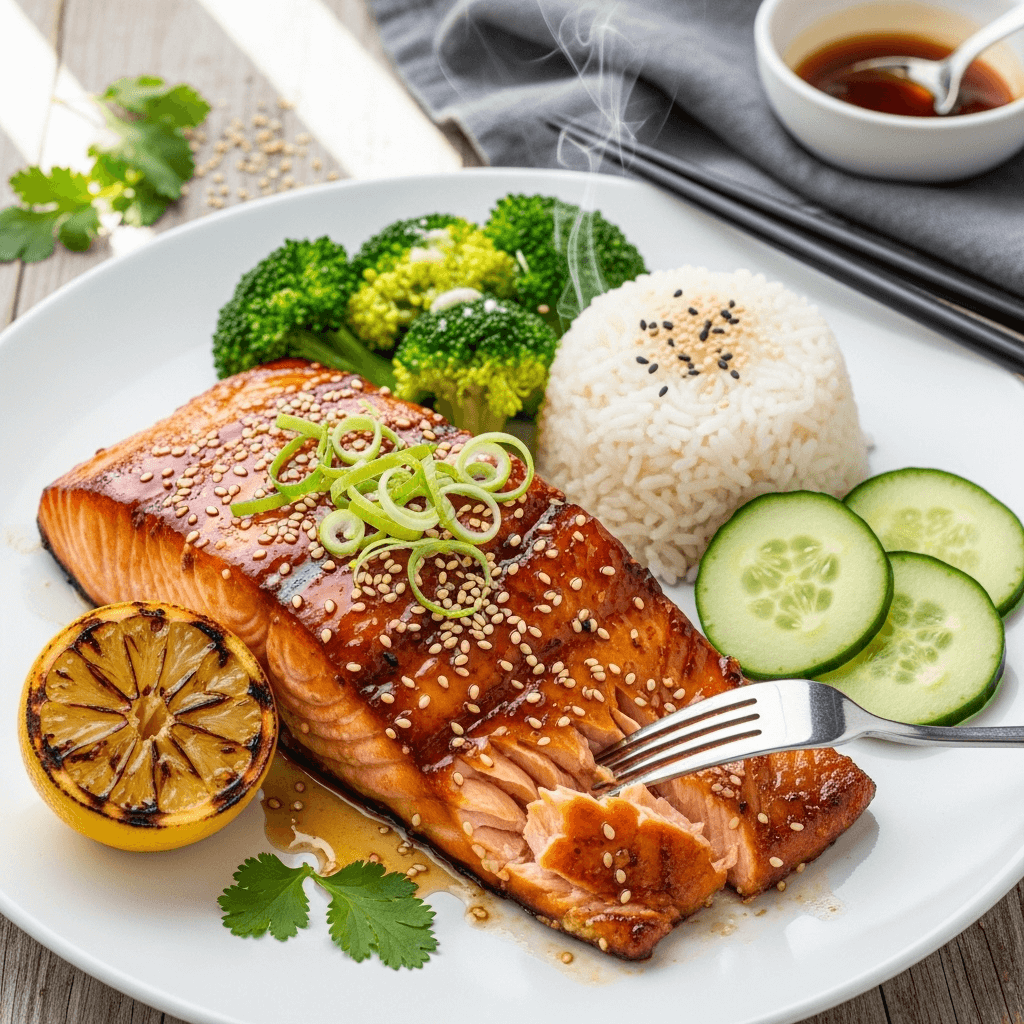
Imagine perfectly flaky salmon fillets coated in a glossy, golden honey glaze that’s sweet, savory, and just a touch tangy. This honey glazed salmon recipe delivers restaurant-quality results in your own kitchen with minimal effort and maximum flavor. The beautiful caramelized glaze creates a stunning presentation that looks as impressive as it tastes, making it perfect for both weeknight dinners and special occasions.
This recipe combines tender, buttery salmon with a simple yet incredibly flavorful honey glaze that caramelizes beautifully under high heat. The result is a dish that’s healthy, satisfying, and sophisticated enough to serve to guests but easy enough to make on a busy Tuesday night. Whether you’re looking for a quick protein-packed meal or an elegant dinner party entrée, this honey glazed salmon checks all the boxes.
Introduction to Honey Glazed Salmon
Honey glazed salmon is a beloved dish that combines the rich, omega-3-packed goodness of salmon with the natural sweetness of honey and savory elements like soy sauce and garlic. This cooking method creates a beautiful lacquered coating on the fish that’s both visually stunning and absolutely delicious.
The beauty of this recipe lies in its simplicity and versatility. With just a handful of pantry staples and fresh salmon fillets, you can create a meal that tastes like it came from an upscale restaurant. The honey glaze caramelizes as the salmon cooks, forming a sticky-sweet coating with crispy edges that contrasts perfectly with the tender, flaky fish underneath.
This dish is perfect for weeknight family dinners when you need something quick but impressive, romantic date nights at home, meal prep Sundays when you’re cooking for the week ahead, or dinner parties where you want to wow your guests without spending hours in the kitchen. The honey glazed salmon pairs beautifully with everything from steamed vegetables and rice to roasted potatoes and fresh salads, making it endlessly adaptable to your meal planning needs.
History & Background of Honey Glazed Salmon
While salmon has been a dietary staple for thousands of years, particularly among Indigenous peoples of the Pacific Northwest and Nordic countries, the honey glazed preparation is a more modern fusion creation. Salmon fishing dates back over 10,000 years, with archaeological evidence showing that ancient civilizations along the Pacific coast relied heavily on seasonal salmon runs for sustenance.
The combination of honey and fish might seem like a contemporary pairing, but sweet glazes for fish have historical precedents in various cultures. Asian cuisines, particularly Japanese and Chinese cooking, have long traditions of using sweet marinades and glazes on fish, typically featuring ingredients like mirin, sake, and sugar. The teriyaki technique, which involves glazing fish or meat with a sweet-savory sauce, has been part of Japanese cuisine since the 17th century.
The honey glazed salmon we know today is likely an American adaptation that emerged in the 1980s and 1990s when salmon farming became more widespread, making this once-expensive fish more affordable and accessible to home cooks. The recipe combines elements from multiple culinary traditions: the Asian influence of sweet-savory glazes, the Western preference for honey as a natural sweetener, and the modern health-conscious focus on omega-3-rich fish.
As salmon became increasingly popular in American restaurants during the health food movement of the late 20th century, chefs began experimenting with various preparations that highlighted the fish’s natural richness while adding complementary flavors. The honey glaze proved to be a winning combination—sweet enough to appeal to American palates while sophisticated enough for fine dining establishments.
Today, honey glazed salmon has become a staple in home kitchens across America and beyond. Its popularity stems from the perfect balance of health benefits and indulgent flavor, making it a guilt-free way to enjoy something that tastes decadent. The recipe has evolved to include various interpretations, from simple honey-soy versions to more complex preparations incorporating garlic, ginger, citrus, and spices.
Why You’ll Love This Honey Glazed Salmon Recipe
This honey glazed salmon recipe is everything you want in a weeknight dinner and more. It delivers maximum flavor with minimum fuss, using ingredients you likely already have in your pantry. The glaze comes together in minutes, and the salmon cooks quickly, meaning you can have this stunning dish on the table in about 20 minutes from start to finish.
The flavor profile is absolutely irresistible—the natural richness of the salmon is perfectly complemented by the sweet honey, savory soy sauce, bright garlic, and subtle tang from a touch of lemon or vinegar. As the glaze reduces and caramelizes, it creates a beautiful sticky coating that clings to every bite of fish. The texture contrast between the crispy, caramelized exterior and the tender, flaky interior is simply divine.
Beyond taste and convenience, this recipe is incredibly healthy. Salmon is one of the best sources of omega-3 fatty acids, which support heart health, brain function, and reduce inflammation. It’s also packed with high-quality protein, B vitamins, and essential minerals. This honey glazed version lets you enjoy all those health benefits while still feeling like you’re treating yourself to something special.
Here’s why you’ll absolutely love this recipe:
- Lightning Fast – Ready in just 20 minutes, perfect for busy weeknights
- Restaurant-Quality – Looks and tastes like an upscale dinner but costs a fraction of the price
- Healthy & Nutritious – Packed with omega-3s, protein, and essential nutrients
- Simple Ingredients – Uses common pantry staples you probably already have
- Naturally Gluten-Free – Can easily be made gluten-free with tamari instead of soy sauce
- Kid-Approved – The sweet glaze makes this appealing even to picky eaters
- Meal Prep Friendly – Holds up well for make-ahead lunches and dinners
- Impressive Presentation – The glossy glaze makes this dish look professionally prepared
- Versatile – Works equally well for casual family dinners or elegant entertaining
- Low-Carb & Keto-Friendly – Fits perfectly into various dietary lifestyles
- Easy Cleanup – One pan is all you need, making cleanup a breeze
Ingredient Notes
Understanding your ingredients is the key to cooking success. Here’s what you’ll need and why each component matters:
Fresh Salmon Fillets – The star of the show! Look for bright, firm salmon with no fishy smell. Wild-caught salmon (like Sockeye, Coho, or King) has a more robust flavor and firmer texture, while farm-raised Atlantic salmon is milder, fattier, and more affordable. Both work beautifully in this recipe. Skin-on or skinless both work—skin helps hold the fillet together during cooking and crisps up nicely. Each fillet should be about 6 ounces for proper portion sizing.
Honey – Provides the sweet base for the glaze and helps create that beautiful caramelization. Use good-quality honey for the best flavor—local honey, clover honey, or wildflower honey all work wonderfully. The natural sugars in honey caramelize under high heat, creating that signature sticky coating. Can substitute with maple syrup or agave nectar, though the flavor will be slightly different.
Soy Sauce – Adds savory umami depth and balances the sweetness of the honey. Use regular soy sauce or low-sodium if you’re watching salt intake. For gluten-free diets, substitute with tamari or coconut aminos. The soy sauce also helps tenderize the fish and adds a beautiful color to the glaze.
Garlic – Fresh minced garlic adds aromatic depth and savory complexity. Fresh is always better than garlic powder for this recipe, as it provides more vibrant flavor. If you don’t have fresh garlic, use ½ teaspoon garlic powder as a substitute, though the flavor won’t be quite as punchy.
Lemon Juice or Rice Vinegar – A small amount of acid brightens the entire dish and cuts through the richness of the salmon and sweetness of the honey. Fresh lemon juice is preferred, but bottled works in a pinch. Rice vinegar or apple cider vinegar can substitute if you don’t have lemon.
Butter or Olive Oil – Used for cooking the salmon and adding richness to the glaze. Butter creates a more luxurious, restaurant-style finish, while olive oil keeps the dish lighter and adds a subtle fruity note. Avocado oil also works well as a high-heat cooking oil.
Ginger (Optional) – Fresh grated ginger adds a warm, spicy note that pairs beautifully with honey and salmon. This is optional but highly recommended for an extra layer of flavor.
Red Pepper Flakes (Optional) – A pinch adds subtle heat and complexity without making the dish spicy. Perfect for adults who enjoy a little kick.
Salt & Black Pepper – Essential for seasoning the salmon properly. Don’t skip this step—it enhances all the other flavors.
Equipment Needed
This recipe requires minimal equipment, making it accessible for any home cook:
- Large Oven-Safe Skillet or Pan – A 12-inch skillet works perfectly for 4 fillets. Cast iron, stainless steel, or oven-safe non-stick all work well. The pan needs to be oven-safe if you’re finishing the salmon under the broiler.
- Small Mixing Bowl – For whisking together the honey glaze ingredients.
- Whisk or Fork – To combine the glaze ingredients smoothly.
- Measuring Cups and Spoons – For accurate ingredient measurements.
- Paper Towels – For patting the salmon dry before cooking (crucial for getting a good sear).
- Spatula or Fish Turner – A thin, flexible spatula makes flipping salmon easier without breaking the fillets.
- Pastry Brush (Optional) – Useful for basting the salmon with glaze, though a spoon works just fine.
- Instant-Read Thermometer (Optional but Recommended) – Ensures your salmon is cooked to the perfect temperature without overcooking.
- Tongs – For handling the salmon safely.
Honey Glazed Salmon Recipe
- Total Time: 20 minutes
- Yield: 4 servings 1x
- Diet: Gluten Free
Description
This honey glazed salmon recipe features perfectly cooked salmon fillets coated in a sweet and savory glaze that caramelizes beautifully. Ready in just 20 minutes with simple pantry ingredients, this restaurant-quality dish is perfect for weeknight dinners or special occasions. The sticky honey glaze creates a gorgeous lacquered finish that’s as delicious as it is beautiful.
Ingredients
For the Salmon:
- 4 salmon fillets (6 ounces each), skin-on or skinless
- 1 tablespoon olive oil or butter
- Salt and black pepper to taste
- Fresh lemon wedges (for serving)
- Sesame seeds and sliced green onions (optional garnish)
For the Honey Glaze:
- ⅓ cup honey
- 3 tablespoons soy sauce (or tamari for gluten-free)
- 3 cloves garlic, minced
- 1 tablespoon fresh lemon juice or rice vinegar
- 1 teaspoon fresh grated ginger (optional but recommended)
- ¼ teaspoon red pepper flakes (optional)
- 1 tablespoon butter (optional, for extra richness)
Instructions
Prepare the Salmon:
- Remove the salmon fillets from the refrigerator 10-15 minutes before cooking to bring them to room temperature. This ensures even cooking.
- Pat the salmon fillets completely dry with paper towels. This is crucial for getting a good sear and preventing the fish from steaming.
- Season both sides of the salmon generously with salt and black pepper.
Make the Honey Glaze:
- In a small bowl, whisk together the honey, soy sauce, minced garlic, lemon juice, grated ginger (if using), and red pepper flakes (if using) until well combined. Set aside.
Cook the Salmon:
- Heat a large oven-safe skillet over medium-high heat. Add the olive oil or butter and let it heat until shimmering (but not smoking).
- Place the salmon fillets in the skillet, skin-side up (or presentation side down if skinless). Cook without moving for 4-5 minutes until a golden-brown crust forms on the bottom. The salmon should release easily from the pan when ready to flip.
- Carefully flip the salmon fillets using a spatula. Reduce heat to medium.
- Pour the honey glaze over and around the salmon fillets. Let it bubble and thicken for 1-2 minutes, spooning the glaze over the tops of the fillets frequently.
- Continue cooking for another 3-5 minutes, basting frequently with the glaze, until the salmon reaches an internal temperature of 125-130°F for medium (slightly pink in the center) or 140°F for well-done. The glaze should be thick, sticky, and caramelized.
Optional Broiler Method for Extra Caramelization:
- If you want an extra caramelized, restaurant-quality finish, transfer the skillet to the oven and broil on high for 1-2 minutes, watching carefully to prevent burning. The glaze will become beautifully lacquered and slightly crispy on the edges.
Serve:
- Transfer the salmon to serving plates and drizzle with any remaining glaze from the pan.
- Garnish with sesame seeds, sliced green onions, and fresh lemon wedges.
- Serve immediately while hot.
Notes
- Don’t Overcook: Salmon is best when slightly undercooked in the center (125-130°F). It will continue cooking from residual heat after you remove it from the pan. Overcooked salmon becomes dry and chalky.
- Glaze Thickness: If your glaze is too thin, let it simmer a bit longer. If it’s too thick, add a splash of water or lemon juice.
- Skin-On vs. Skinless: Skin-on salmon holds together better during cooking and the skin crisps up beautifully. Skinless works fine too—just be extra gentle when flipping.
- Pan Temperature: Make sure your pan is properly heated before adding salmon. If the pan is too cool, the salmon will stick and won’t develop a nice crust.
- Room Temperature Fish: Letting salmon sit at room temperature for 10-15 minutes ensures even cooking from edge to center.
- Scaling the Recipe: This recipe easily doubles or halves. For more than 4 fillets, use two skillets or cook in batches.
- Prep Time: 5 minutes
- Cook Time: 15 minutes
- Category: Dinner
- Method: Pan-Seared
- Cuisine: American
Nutrition
- Serving Size: 1 salmon fillet with glaze
- Calories: 385
- Sugar: 18g
- Sodium: 625mg
- Fat: 16g
- Saturated Fat: 3g
- Unsaturated Fat: 11g
- Trans Fat: 0g
- Carbohydrates: 20g
- Fiber: 0g
- Protein: 38g
- Cholesterol: 95mg
Tips & Variations
Flavor Variations:
- Asian-Inspired: Add 1 teaspoon sesame oil to the glaze and garnish with sesame seeds and green onions
- Citrus Honey Salmon: Use orange juice instead of lemon and add orange zest to the glaze
- Spicy Honey Glazed Salmon: Increase red pepper flakes to ½ teaspoon or add a drizzle of sriracha to the glaze
- Garlic Butter Version: Double the garlic and add an extra tablespoon of butter for ultra-rich flavor
- Herb-Crusted: Press fresh chopped herbs (dill, parsley, or thyme) onto the salmon before cooking
- Dijon Honey Salmon: Add 1 tablespoon Dijon mustard to the glaze for tangy complexity
- Bourbon Glazed: Add 2 tablespoons bourbon to the glaze for a sophisticated twist
- Maple Glazed: Substitute maple syrup for honey for a different sweet profile
Cooking Method Variations:
- Oven-Baked: Bake at 400°F for 12-15 minutes, brushing with glaze halfway through
- Grilled: Grill over medium-high heat for 4-5 minutes per side, basting with glaze
- Air Fryer: Cook at 400°F for 8-10 minutes, brushing with glaze in the last 2 minutes
- Broiler Only: Broil 6 inches from heat for 8-10 minutes, basting frequently
Dietary Modifications:
- Gluten-Free: Use tamari or coconut aminos instead of soy sauce
- Paleo: Use coconut aminos and ensure all ingredients are compliant
- Keto/Low-Carb: This recipe is already keto-friendly as written
- Dairy-Free: Use olive oil instead of butter
- Lower Sugar: Reduce honey to 3 tablespoons and add a splash more soy sauce
Protein Substitutions:
- Use this glaze on chicken thighs, pork chops, or shrimp
- Arctic char or trout work wonderfully as salmon alternatives
- Even firm white fish like halibut can be prepared this way
Pro Chef Tips
Dry Your Salmon Thoroughly: This is the single most important step for getting a beautiful sear. Moisture is the enemy of browning. Pat your salmon completely dry with paper towels before seasoning and cooking.
Control Your Heat: Start with medium-high heat to get a good sear, then reduce to medium once you flip the fish. Too high heat will burn the honey glaze before the salmon cooks through.
Don’t Move the Fish: When you first place the salmon in the pan, resist the urge to move it around. Let it sit undisturbed for 4-5 minutes to develop a proper crust. It will release naturally when it’s ready to flip.
Use a Fish Spatula: A thin, flexible fish spatula (also called a fish turner) is the best tool for flipping delicate fish fillets without breaking them. Regular spatulas are too thick and rigid.
Baste Constantly: Once you add the glaze, baste the salmon frequently—every 30-60 seconds. This builds up layers of flavor and creates that beautiful lacquered finish.
Check Temperature, Not Time: Every fillet is slightly different in thickness, so cooking times vary. Use an instant-read thermometer inserted into the thickest part of the fillet. Aim for 125-130°F for perfect medium doneness.
Rest Your Salmon: Let the cooked salmon rest for 2-3 minutes before serving. This allows the juices to redistribute throughout the fish, ensuring every bite is moist and flavorful.
Choose Quality Salmon: The better your salmon, the better your dish. Look for bright, firm flesh with no brown spots or strong fishy odor. Wild-caught has superior flavor but is more expensive. Farm-raised is more affordable and still delicious when fresh.
Score Thick Fillets: If you have very thick salmon fillets (over 1.5 inches), make 2-3 shallow diagonal cuts across the top. This helps them cook more evenly and allows the glaze to penetrate.
Save That Glaze: The glaze left in the pan after cooking is liquid gold. Drizzle it over rice, vegetables, or anything else on your plate. If there’s excess, you can even reduce it further for a thicker sauce.
Season Generously: Don’t be shy with salt and pepper. Salmon can handle generous seasoning, and it needs it to balance the sweet glaze.
Room Temperature Matters: Cold fish from the fridge won’t cook evenly. Let it sit at room temperature for 10-15 minutes before cooking for the best results.
Common Mistakes to Avoid
Overcooking the Salmon: This is the #1 mistake home cooks make with salmon. Overcooked salmon becomes dry, chalky, and loses its buttery texture. Remove salmon from heat when it’s still slightly translucent in the very center (around 125-130°F). It will continue cooking from residual heat. Remember, you can always cook it more, but you can’t undo overcooked fish.
Using a Cold Pan: Adding salmon to a cold or insufficiently heated pan causes it to stick and prevents proper browning. Heat your pan over medium-high until the oil shimmers before adding the fish. You should hear a sizzle when the salmon hits the pan.
Burning the Glaze: Honey burns easily at high temperatures. Once you add the glaze, reduce the heat to medium and watch carefully. If the glaze starts to burn or smell acrid, immediately remove from heat and add a splash of water or lemon juice to thin it out. The key is letting it caramelize, not burn.
Flipping Too Early: If you try to flip the salmon before a crust has formed, it will stick to the pan and tear. Be patient! The fish will naturally release from the pan when it’s ready. If it’s sticking, give it another minute.
Not Patting Dry: Wet salmon won’t sear properly—it will steam instead, resulting in gray, rubbery fish with no crust. Always pat salmon completely dry with paper towels before seasoning and cooking.
Using Old or Poor-Quality Salmon: Fresh salmon should smell like the ocean—clean and mild, never “fishy.” If your salmon smells strongly fishy or has brown spots, it’s past its prime. Poor-quality salmon won’t taste good no matter how you prepare it.
Crowding the Pan: If you’re cooking multiple fillets, make sure they have space between them. Crowding lowers the pan temperature and creates steam instead of a sear. Cook in batches if necessary.
Storage & Meal Prep
Storing Cooked Salmon:
Let the salmon cool to room temperature, then transfer to an airtight container. Store in the refrigerator for up to 3 days. The glaze may thicken when cold but will loosen when reheated. For best quality, store the salmon and any extra glaze separately if possible.
Storing Uncooked Marinated Salmon:
You can prepare the glaze and brush it on raw salmon up to 2 hours before cooking. Cover and refrigerate until ready to cook. Don’t marinate longer than 2 hours, as the acid in the glaze can start to “cook” the fish and affect its texture.
Reheating Instructions:
The best way to reheat salmon is gently to avoid drying it out:
- Oven Method: Place salmon in a baking dish with a tablespoon of water or extra glaze, cover with foil, and warm at 275°F for 10-15 minutes.
- Microwave Method: Place salmon on a microwave-safe plate, cover with a damp paper towel, and heat in 30-second intervals at 50% power until warmed through.
- Stovetop Method: Heat in a covered skillet over low heat with a splash of water or broth for 3-4 minutes.
Cold Salmon Uses:
Leftover honey glazed salmon is delicious served cold! Use it for:
- Salmon salads
- Grain bowls
- Buddha bowls
- Sandwich or wrap fillings
- Flaked over pasta salad
- Added to omelets or scrambled eggs
Meal Prep Tips:
This salmon is excellent for meal prep. Cook the salmon and let it cool completely, then portion into individual containers with your choice of sides (rice, quinoa, roasted vegetables). Store in the refrigerator for up to 3 days. Reheat gently or enjoy cold.
Shelf Life:
- Fresh Raw Salmon: 1-2 days refrigerated
- Cooked Salmon: 3-4 days refrigerated
- Frozen Cooked Salmon: 2-3 months (though texture quality decreases)
Make-Ahead & Freezer Notes
Preparing Components Ahead:
The Glaze: You can make the honey glaze up to 3 days in advance. Store it in an airtight container in the refrigerator and whisk before using. Bring to room temperature or gently warm before adding to the pan.
Seasoned Salmon: Season the salmon with salt and pepper up to 2 hours before cooking. Pat dry, season, and refrigerate covered until ready to cook.
Full Make-Ahead Option: Cook the salmon completely, let it cool, and refrigerate. This works great for meal prep. The salmon will keep for 3-4 days. Reheat gently to avoid drying out, or enjoy cold in salads and bowls.
Freezing Raw Salmon:
Fresh salmon can be frozen for up to 3 months if properly stored:
- Pat salmon completely dry
- Wrap each fillet tightly in plastic wrap
- Place wrapped fillets in a freezer-safe bag, removing as much air as possible
- Label with the date
- Thaw overnight in the refrigerator before using
Do not freeze salmon with the glaze already on it—freeze plain and add glaze when cooking.
Freezing Cooked Salmon:
While technically safe, freezing cooked salmon affects its texture significantly. It becomes drier and less flaky when thawed. If you must freeze cooked salmon:
- Let cool completely
- Wrap tightly in plastic wrap, then aluminum foil
- Store in freezer for up to 2 months
- Thaw overnight in refrigerator
- Reheat gently with added moisture (broth, water, or extra glaze)
Best Make-Ahead Strategy:
For entertaining or busy weeknights:
- Make the glaze 1-3 days ahead (refrigerate)
- Buy fresh salmon the day of or day before cooking
- Pat dry and season 1-2 hours before cooking
- Cook just before serving for the best texture and flavor
Freezer-to-Table:
If using frozen salmon, thaw it completely in the refrigerator (8-12 hours) before cooking. Do not cook salmon from frozen, as it won’t cook evenly and will release excess moisture that prevents proper searing.
Serving Suggestions
Honey glazed salmon is incredibly versatile and pairs beautifully with a wide variety of sides. Here are some delicious serving suggestions:
Classic Pairings:
- Steamed White or Brown Rice – Absorbs the delicious honey glaze perfectly
- Jasmine or Basmati Rice – Aromatic rice that complements the Asian-inspired flavors
- Quinoa – A protein-packed, nutritious option
- Cauliflower Rice – For a low-carb alternative
- Roasted Vegetables – Broccoli, asparagus, Brussels sprouts, or green beans
- Steamed Edamame – Adds protein and a pop of green color
- Stir-Fried Bok Choy – Quick-cooked with garlic and sesame oil
- Garlic Roasted Potatoes – Crispy and satisfying
- Sweet Potato Wedges – Sweet and savory combination
- Mashed Potatoes – Creamy comfort food that pairs surprisingly well
Fresh & Light Options:
- Asian Slaw – Cabbage, carrots, and sesame dressing
- Cucumber Salad – Crisp and refreshing with rice vinegar
- Mixed Green Salad – With citrus vinaigrette
- Spinach Salad – With mandarin oranges and almonds
- Avocado Salad – Creamy and healthy
- Seaweed Salad – For an authentic Asian touch
Grain & Pasta Sides:
- Lo Mein Noodles – Toss with vegetables and soy sauce
- Coconut Rice – Creamy and slightly sweet
- Fried Rice – Use leftover rice for quick preparation
- Rice Noodles – Light and delicate
- Soba Noodles – Nutty buckwheat noodles, served hot or cold
- Couscous – Quick-cooking and absorbs flavors well
Complete Meal Ideas:
- Asian-Inspired Bowl: Honey glazed salmon over rice with steamed broccoli, edamame, cucumber, avocado, and sesame seeds
- Buddha Bowl: Salmon with quinoa, roasted sweet potato, kale, shredded carrots, and tahini drizzle
- Low-Carb Plate: Salmon with cauliflower rice, roasted asparagus, and sautéed spinach
- Comfort Dinner: Salmon with garlic mashed potatoes and roasted Brussels sprouts
- Summer Meal: Salmon with grilled vegetables and a fresh corn salad
Beverage Pairings:
- White Wine: Chardonnay, Pinot Grigio, or Sauvignon Blanc
- Rosé: A dry rosé complements the sweet-savory profile
- Light Red Wine: Pinot Noir for those who prefer red
- Beer: Light lagers or wheat beers
- Non-Alcoholic: Iced green tea, sparkling water with lemon, or ginger lemonade
Garnishing Ideas:
- Toasted sesame seeds (white or black)
- Thinly sliced green onions
- Fresh cilantro or parsley
- Lemon or lime wedges
- Microgreens
- Pickled ginger
- Crispy fried shallots or onions
- Fresh grated ginger on the side
Frequently Asked Questions
Can I use frozen salmon for this recipe?
Yes, but it must be completely thawed first. Thaw frozen salmon overnight in the refrigerator (never at room temperature). Pat it very dry with paper towels before seasoning and cooking, as frozen salmon releases more moisture than fresh. While fresh salmon will always give you the best texture and flavor, properly thawed frozen salmon works well in this recipe.
What’s the best type of salmon to use?
All salmon varieties work beautifully with honey glaze. Wild-caught options like Sockeye, Coho, and King salmon have richer flavor and firmer texture but are more expensive. Farm-raised Atlantic salmon is milder, fattier, more affordable, and widely available. For this recipe, choose based on your budget and preference—both wild and farmed salmon taste delicious with honey glaze. Look for bright, firm fillets without brown spots or strong odor.
How do I know when salmon is done?
The most accurate way is using an instant-read thermometer. Insert it into the thickest part of the fillet—it should read 125-130°F for medium (slightly pink center) or 140-145°F for well-done. Visually, properly cooked salmon will be opaque on the outside with a slightly translucent center, and will flake easily with a fork. The flesh should look moist, not dry. Remember that salmon continues cooking after you remove it from heat, so slightly undercooked is better than overcooked.
Can I make this recipe gluten-free?
Absolutely! Simply substitute tamari or coconut aminos for the regular soy sauce. Tamari is a gluten-free soy sauce that tastes nearly identical to regular soy sauce. Coconut aminos have a slightly sweeter, less salty flavor. All other ingredients in this recipe are naturally gluten-free. Always check your specific brand labels to ensure they’re certified gluten-free if you have celiac disease.
Why does my glaze burn?
Honey contains natural sugars that caramelize quickly and can burn at high temperatures. To prevent burning: reduce heat to medium after flipping the salmon, watch the glaze carefully once added, and keep basting to prevent hot spots. If the glaze starts to darken too quickly or smells burnt, immediately reduce heat or remove from the burner and add a splash of water or lemon juice to cool it down. The goal is caramelization (golden brown), not burning (black and bitter).
Can I substitute the honey with something else?
Yes! Maple syrup creates a similar glaze with a different flavor profile. Agave nectar works but is less thick. Brown sugar mixed with a little water (2 tablespoons sugar + 1 tablespoon water) also works. For a lower-sugar option, use half honey and half orange juice, though the glaze will be thinner. Keep in mind that substitutions will change the final flavor, but the recipe technique remains the same.
Is it better to cook salmon with skin on or skinless?
Both work perfectly in this recipe, so it’s personal preference. Skin-on salmon holds together better during cooking and the skin crisps up beautifully, adding textural contrast. Many people enjoy eating the crispy skin. Skinless salmon is easier to eat for those who don’t like skin, and it’s slightly easier to flip. If using skin-on, cook skin-side up first, then flip to cook skin-side down for the last few minutes to crisp it up. You can easily remove the skin after cooking if desired.
Conclusion
This honey glazed salmon recipe proves that restaurant-quality seafood doesn’t require complicated techniques or fancy ingredients. With just a handful of pantry staples and about 20 minutes of your time, you can create a stunning dish that’s as healthy as it is delicious. The combination of sweet honey, savory soy sauce, aromatic garlic, and perfectly cooked salmon creates a flavor experience that will have everyone at your table asking for seconds.
Whether you’re cooking for your family on a busy Tuesday night, meal prepping for the week ahead, or hosting a dinner party, this honey glazed salmon recipe rises to any occasion. It’s quick enough for weeknight cooking yet impressive enough for entertaining. The beautiful glossy glaze and perfectly flaky fish make for a presentation that looks like you spent hours in the kitchen, even though you only spent minutes.
The versatility of this recipe means you’ll never get bored—try different variations, pair it with your favorite sides, or adapt it to fit your dietary needs. However you choose to make it, you’re guaranteed a meal that’s nourishing, satisfying, and absolutely delicious.
I can’t wait to hear how your honey glazed salmon turns out! Drop a comment below and let me know what you think. Did you try any variations? What did you serve it with? Share your experience and any tips you discovered along the way. And if you loved this recipe as much as I think you will, please save it to your Pinterest boards so you can make it again and again. Don’t forget to snap a photo and tag me—I love seeing your beautiful creations!
Now grab that gorgeous salmon, fire up your skillet, and get ready to enjoy one of the easiest, most delicious dinners you’ll ever make. Happy cooking! 🍯🐟