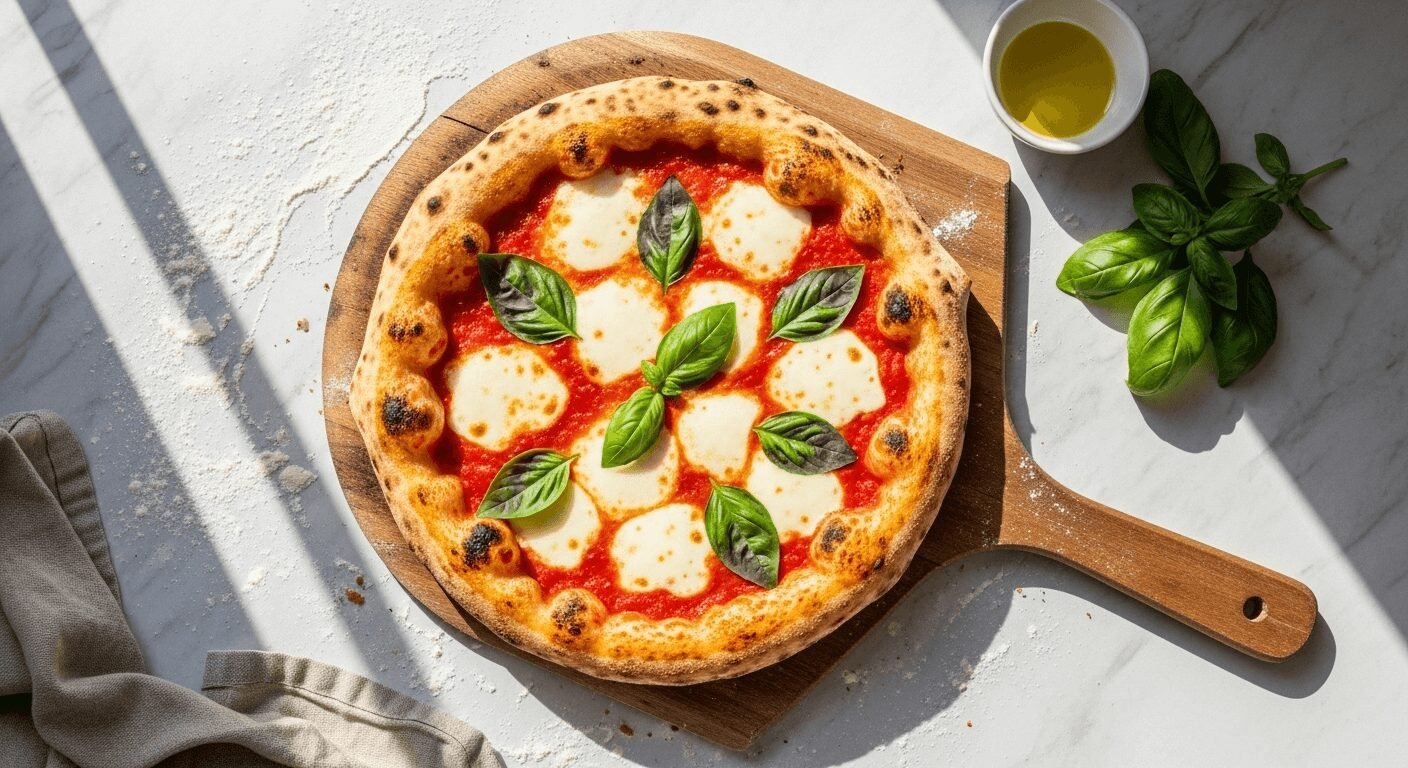

There’s something absolutely magical about making homemade pizza dough from scratch. This easy homemade pizza dough recipe creates a perfectly chewy, slightly crispy crust that rivals your favorite pizzeria – and it’s surprisingly simple to make! Whether you’re planning a cozy family pizza night, hosting friends for a DIY pizza party, or just craving authentic Italian-style pizza at home, this recipe delivers restaurant-quality results every single time.
This classic pizza dough is versatile enough for thin-crust lovers and thick-crust enthusiasts alike. It’s perfect for Friday night dinners, game day gatherings, kids’ birthday parties, or any occasion when you want to impress with homemade goodness. The best part? You probably already have all the ingredients in your pantry right now.
History / Background
Pizza dough has an incredible history that dates back thousands of years. While pizza as we know it today originated in Naples, Italy during the 18th century, the concept of flatbreads topped with various ingredients goes back to ancient civilizations including the Greeks, Egyptians, and Romans.
The modern pizza we all love was born in Naples among working-class Italians who needed affordable, quick meals. Street vendors would sell flatbreads with simple toppings, and pizza quickly became a cultural staple. The iconic Margherita pizza was created in 1889 when Queen Margherita of Italy visited Naples, and a local pizzaiolo (pizza maker) crafted a pizza with tomatoes, mozzarella, and basil to represent the colors of the Italian flag.
Italian immigrants brought pizza to America in the late 19th and early 20th centuries, and it exploded in popularity after World War II when American soldiers returning from Italy craved the flavors they’d experienced abroad. Today, pizza is one of America’s most beloved foods, but nothing compares to the authentic taste and texture of homemade pizza dough made from scratch.
The traditional Neapolitan pizza dough consists of just four ingredients: flour, water, salt, and yeast. This simplicity is what makes it so beautiful – when you use quality ingredients and proper technique, these basic components transform into something absolutely extraordinary.
Why You’ll Love This Recipe
This homemade pizza dough recipe is a total game-changer for your pizza nights. It’s incredibly forgiving for beginners while producing professional results that will make you feel like a true pizzaiolo. The dough is soft and pliable to work with, yet creates that perfect chewy texture with slightly crispy edges that everyone craves.
Here’s what makes this recipe special:
- Budget-Friendly – Costs just pennies to make compared to store-bought or takeout pizza
- Simple Ingredients – Only 6 basic pantry staples needed
- Beginner-Friendly – Clear instructions that anyone can follow successfully
- Make-Ahead Option – Prepare the dough in advance for stress-free entertaining
- Freezer-Friendly – Make multiple batches and freeze for quick future meals
- Customizable – Works perfectly for thin crust, thick crust, calzones, or focaccia
- Family Activity – Kids absolutely love helping knead and shape the dough
- Better Than Delivery – Fresher, healthier, and more delicious than any takeout pizza
- Impressive Results – Your friends will think you’re a professional baker
Ingredient Notes
Let’s talk about what goes into this fantastic pizza dough and why each ingredient matters:
All-Purpose Flour or Bread Flour – The foundation of your dough. All-purpose flour works wonderfully and creates a tender crust, while bread flour (with higher protein content) produces an even chewier, more authentic Italian texture. You can also use a 50/50 blend for the best of both worlds. Substitution: For gluten-free pizza, use a gluten-free flour blend designed for baking (results will vary).
Active Dry Yeast or Instant Yeast – This is what makes your dough rise and develop that beautiful airy texture. Active dry yeast needs to be dissolved in warm water first, while instant yeast can be mixed directly with the flour. Both work perfectly! Tip: Make sure your yeast isn’t expired – it should foam up when activated.
Warm Water – Activates the yeast and brings everything together. Temperature is crucial – aim for 105-110°F (warm to the touch but not hot). Water that’s too hot will kill the yeast, while cold water won’t activate it properly.
Olive Oil – Adds richness, flavor, and helps create a tender crumb. It also makes the dough easier to work with and prevents it from drying out. Extra virgin olive oil gives the best flavor. Substitution: You can use vegetable oil in a pinch, but olive oil is traditional and tastier.
Sugar or Honey – Just a touch of sweetness feeds the yeast and helps it activate faster. It also aids in browning the crust. Substitution: Either granulated sugar or honey works equally well.
Salt – Essential for flavor! Never skip the salt, as it balances the dough and strengthens the gluten structure. Use fine sea salt or table salt for even distribution.
Equipment Needed
You don’t need fancy equipment to make amazing pizza dough, but these tools will make the process easier:
- Large mixing bowl – For combining and rising the dough
- Measuring cups and spoons – Accurate measurements ensure consistent results
- Wooden spoon or sturdy spatula – For initial mixing
- Kitchen scale (optional but recommended) – For the most precise measurements
- Stand mixer with dough hook (optional) – Makes kneading effortless, but hand-kneading works beautifully too
- Clean work surface – Counter or large cutting board for kneading
- Kitchen towel or plastic wrap – To cover dough while rising
- Rolling pin (optional) – Some prefer stretching by hand, others like using a rolling pin
- Pizza stone or baking sheet – For baking your pizza
- Pizza peel (optional) – Makes transferring pizza easier if using a stone
- Bench scraper (optional) – Helpful for dividing dough and cleaning your work surface

Secret Family Pizza Dough Recipe
- Total Time: 1 hour
- Yield: 1 hour 15 minutes 1x
- Diet: Vegetarian
Description
This easy homemade pizza dough recipe creates perfectly chewy, flavorful crust with minimal effort. Using simple pantry ingredients, you’ll have fresh pizza dough ready in just over an hour, with options to make it ahead or freeze for later. It’s the only pizza dough recipe you’ll ever need!
Ingredients
- 3½ to 4 cups (440-500g) all-purpose flour or bread flour, plus more for dusting
- 1 packet (2¼ teaspoons) active dry yeast or instant yeast
- 2 tablespoons granulated sugar or honey
- 2 teaspoons fine sea salt
- 1½ cups (360ml) warm water (105-110°F)
- 3 tablespoons extra virgin olive oil, plus more for greasing
Instructions
The Best Homemade Pizza Dough Recipe – Easy, Authentic & Perfect Every Time
Introduction of Recipe
There’s something absolutely magical about making homemade pizza dough from scratch. This easy homemade pizza dough recipe creates a perfectly chewy, slightly crispy crust that rivals your favorite pizzeria – and it’s surprisingly simple to make! Whether you’re planning a cozy family pizza night, hosting friends for a DIY pizza party, or just craving authentic Italian-style pizza at home, this recipe delivers restaurant-quality results every single time.
This classic pizza dough is versatile enough for thin-crust lovers and thick-crust enthusiasts alike. It’s perfect for Friday night dinners, game day gatherings, kids’ birthday parties, or any occasion when you want to impress with homemade goodness. The best part? You probably already have all the ingredients in your pantry right now.
History / Background
Pizza dough has an incredible history that dates back thousands of years. While pizza as we know it today originated in Naples, Italy during the 18th century, the concept of flatbreads topped with various ingredients goes back to ancient civilizations including the Greeks, Egyptians, and Romans.
The modern pizza we all love was born in Naples among working-class Italians who needed affordable, quick meals. Street vendors would sell flatbreads with simple toppings, and pizza quickly became a cultural staple. The iconic Margherita pizza was created in 1889 when Queen Margherita of Italy visited Naples, and a local pizzaiolo (pizza maker) crafted a pizza with tomatoes, mozzarella, and basil to represent the colors of the Italian flag.
Italian immigrants brought pizza to America in the late 19th and early 20th centuries, and it exploded in popularity after World War II when American soldiers returning from Italy craved the flavors they’d experienced abroad. Today, pizza is one of America’s most beloved foods, but nothing compares to the authentic taste and texture of homemade pizza dough made from scratch.
The traditional Neapolitan pizza dough consists of just four ingredients: flour, water, salt, and yeast. This simplicity is what makes it so beautiful – when you use quality ingredients and proper technique, these basic components transform into something absolutely extraordinary.
Why You’ll Love This Recipe
This homemade pizza dough recipe is a total game-changer for your pizza nights. It’s incredibly forgiving for beginners while producing professional results that will make you feel like a true pizzaiolo. The dough is soft and pliable to work with, yet creates that perfect chewy texture with slightly crispy edges that everyone craves.
Here’s what makes this recipe special:
- Budget-Friendly – Costs just pennies to make compared to store-bought or takeout pizza
- Simple Ingredients – Only 6 basic pantry staples needed
- Beginner-Friendly – Clear instructions that anyone can follow successfully
- Make-Ahead Option – Prepare the dough in advance for stress-free entertaining
- Freezer-Friendly – Make multiple batches and freeze for quick future meals
- Customizable – Works perfectly for thin crust, thick crust, calzones, or focaccia
- Family Activity – Kids absolutely love helping knead and shape the dough
- Better Than Delivery – Fresher, healthier, and more delicious than any takeout pizza
- Impressive Results – Your friends will think you’re a professional baker
Ingredient Notes
Let’s talk about what goes into this fantastic pizza dough and why each ingredient matters:
All-Purpose Flour or Bread Flour – The foundation of your dough. All-purpose flour works wonderfully and creates a tender crust, while bread flour (with higher protein content) produces an even chewier, more authentic Italian texture. You can also use a 50/50 blend for the best of both worlds. Substitution: For gluten-free pizza, use a gluten-free flour blend designed for baking (results will vary).
Active Dry Yeast or Instant Yeast – This is what makes your dough rise and develop that beautiful airy texture. Active dry yeast needs to be dissolved in warm water first, while instant yeast can be mixed directly with the flour. Both work perfectly! Tip: Make sure your yeast isn’t expired – it should foam up when activated.
Warm Water – Activates the yeast and brings everything together. Temperature is crucial – aim for 105-110°F (warm to the touch but not hot). Water that’s too hot will kill the yeast, while cold water won’t activate it properly.
Olive Oil – Adds richness, flavor, and helps create a tender crumb. It also makes the dough easier to work with and prevents it from drying out. Extra virgin olive oil gives the best flavor. Substitution: You can use vegetable oil in a pinch, but olive oil is traditional and tastier.
Sugar or Honey – Just a touch of sweetness feeds the yeast and helps it activate faster. It also aids in browning the crust. Substitution: Either granulated sugar or honey works equally well.
Salt – Essential for flavor! Never skip the salt, as it balances the dough and strengthens the gluten structure. Use fine sea salt or table salt for even distribution.
Equipment Needed
You don’t need fancy equipment to make amazing pizza dough, but these tools will make the process easier:
- Large mixing bowl – For combining and rising the dough
- Measuring cups and spoons – Accurate measurements ensure consistent results
- Wooden spoon or sturdy spatula – For initial mixing
- Kitchen scale (optional but recommended) – For the most precise measurements
- Stand mixer with dough hook (optional) – Makes kneading effortless, but hand-kneading works beautifully too
- Clean work surface – Counter or large cutting board for kneading
- Kitchen towel or plastic wrap – To cover dough while rising
- Rolling pin (optional) – Some prefer stretching by hand, others like using a rolling pin
- Pizza stone or baking sheet – For baking your pizza
- Pizza peel (optional) – Makes transferring pizza easier if using a stone
- Bench scraper (optional) – Helpful for dividing dough and cleaning your work surface
📋 Recipe Card
Prep Time: 15 minutes
Cook Time: 0 minutes (dough only)
Rise Time: 1 hour
Total Time: 1 hour 15 minutes
Yield: 2 large pizzas (12-14 inches) or 3-4 personal pizzas
Category: Bread, Pizza
Method: No-Bake (Dough Preparation)
Cuisine: Italian
Diet: Vegetarian
Description
This easy homemade pizza dough recipe creates perfectly chewy, flavorful crust with minimal effort. Using simple pantry ingredients, you’ll have fresh pizza dough ready in just over an hour, with options to make it ahead or freeze for later. It’s the only pizza dough recipe you’ll ever need!
Ingredients
- 3½ to 4 cups (440-500g) all-purpose flour or bread flour, plus more for dusting
- 1 packet (2¼ teaspoons) active dry yeast or instant yeast
- 2 tablespoons granulated sugar or honey
- 2 teaspoons fine sea salt
- 1½ cups (360ml) warm water (105-110°F)
- 3 tablespoons extra virgin olive oil, plus more for greasing
Instructions
Step 1: Activate the Yeast
In a large mixing bowl, combine warm water (105-110°F), sugar, and yeast. Stir gently and let sit for 5-10 minutes until the mixture becomes foamy and bubbly. This proves your yeast is alive and active. If it doesn’t foam, your yeast may be dead or your water temperature was off – start over with fresh yeast.
Step 2: Mix the Dough
Add olive oil and salt to the yeast mixture and stir to combine. Add 3½ cups of flour, one cup at a time, stirring with a wooden spoon after each addition. The dough will start to come together and pull away from the sides of the bowl. If the dough seems too sticky after mixing, add the remaining ½ cup of flour gradually, a few tablespoons at a time.
Step 3: Knead the Dough
Transfer the dough to a lightly floured work surface. Knead for 8-10 minutes by hand (or 5-6 minutes in a stand mixer with dough hook on medium speed) until the dough becomes smooth, elastic, and slightly tacky but not sticky. The dough should spring back when you poke it. If it’s too sticky, add a little more flour; if it’s too dry, wet your hands and continue kneading.
Step 4: First Rise
Lightly grease a large bowl with olive oil. Shape the dough into a ball and place it in the bowl, turning once to coat all sides with oil. Cover tightly with a damp kitchen towel or plastic wrap. Let rise in a warm, draft-free place for 60-90 minutes, or until doubled in size. A warm oven (turned off, with just the light on) works perfectly.
Step 5: Punch Down and Divide
Once risen, punch down the dough to release air bubbles. Turn it out onto a lightly floured surface. Divide the dough into 2 equal portions for large pizzas, or 3-4 portions for personal-sized pizzas. Shape each portion into a smooth ball.
Step 6: Rest Before Shaping
Let the dough balls rest for 10-15 minutes covered with a towel. This relaxes the gluten and makes stretching much easier.
Step 7: Shape and Use
Your pizza dough is now ready to stretch, top, and bake! Roll or stretch each dough ball into your desired size and thickness. Add your favorite toppings and bake at 450-500°F for 12-15 minutes until the crust is golden and cheese is bubbly.
Notes
- Flour Measurement: For best results, measure flour by weight (440-500g) or use the spoon-and-level method. Don’t pack flour into measuring cups.
- Water Temperature: Use an instant-read thermometer to ensure water is 105-110°F. Too hot kills yeast; too cold won’t activate it.
- Rise Time: Cold kitchen? Rise time may take longer. Warm kitchen? It may rise faster. Watch the dough, not the clock.
- Hand-Stretching Tips: Let gravity help! Drape dough over your knuckles and gently rotate, allowing it to stretch naturally. Avoid using a rolling pin if you want an airier crust with nice bubbles.
- Make-Ahead: Dough can be refrigerated after Step 4 for up to 3 days. Bring to room temperature (30-60 minutes) before shaping.
- Prep Time: 15 minutes
- Cook Time: 0 minutes (dough only)
- Category: Bread
- Method: No-Bake (Dough Preparation)
- Cuisine: Italian
Nutrition
- Serving Size: 1/8 of recipe (1 slice from 2 large pizzas)
- Calories: 165
- Sugar: 2g
- Sodium: 292mg
- Fat: 3.5g
- Saturated Fat: 0.5g
- Unsaturated Fat: 2.8g
- Trans Fat: 0g
- Carbohydrates: 28g
- Fiber: 1g
- Protein: 5g
- Cholesterol: 0mg
Tips & Variations
Thin Crust Pizza: Divide the dough into 3-4 portions instead of 2, and roll very thin. Bake at 500°F for 8-10 minutes for crispy results.
Thick Crust (Pan Pizza): Use all the dough in a well-oiled 9×13 inch pan. Let it rise 15-20 minutes after pressing into the pan. Bake at 425°F for 20-25 minutes.
Whole Wheat Pizza Dough: Substitute half the all-purpose flour with whole wheat flour for a nuttier, heartier crust. You may need to add 2-3 tablespoons more water.
Herb-Infused Dough: Add 1-2 tablespoons of dried Italian herbs, garlic powder, or fresh chopped rosemary to the flour for extra flavor.
Garlic Butter Crust: Brush the edges of your shaped dough with garlic butter before baking for restaurant-style crust.
Gluten-Free Option: Use a 1:1 gluten-free baking flour blend. The texture will be slightly different but still delicious.
Overnight Cold Ferment: After Step 4, refrigerate the dough for 24-72 hours instead of the first rise. This develops incredible flavor and texture. Bring to room temperature before using.
Grilled Pizza: Brush dough with olive oil and grill for 2-3 minutes per side over medium heat for smoky, charred flavor.
Pro Chef Tips
Use a Kitchen Scale: Professional bakers measure flour by weight, not volume. This ensures consistent results every single time. 440g of flour is perfect for most conditions.
The Windowpane Test: To check if you’ve kneaded enough, stretch a small piece of dough between your fingers. If it stretches thin enough to see light through without tearing, your gluten is properly developed.
Master the Stretch: Never use a rolling pin if you want authentic pizzeria texture. Instead, press the dough out with your fingertips, then drape it over your knuckles and gently rotate, letting gravity stretch it naturally. This preserves air bubbles for a lighter crust.
Preheat Your Surface: Whether using a pizza stone or baking sheet, preheat it in the oven for at least 30 minutes at the highest temperature. This gives you that crispy bottom crust pizzerias are famous for.
Less is More with Toppings: Don’t overload your pizza! Too many toppings create a soggy crust. Use high-quality ingredients and let them shine. A classic Margherita with just sauce, mozzarella, and basil can be perfection.
Bake Hot and Fast: Pizza needs high heat – 450-500°F. The hotter, the better. This creates the perfect balance of crispy exterior and chewy interior.
Cornmeal Secret: Dust your pizza peel or baking sheet with cornmeal before placing the dough. It acts like little ball bearings, making the pizza slide off easily and adds nice texture to the bottom.
Save the Scraps: If you trim excess dough, save it! Roll into breadsticks, shape into garlic knots, or make mini calzones.
Common Mistakes to Avoid
Using Water That’s Too Hot or Too Cold: Water temperature is critical. Too hot (over 120°F) kills the yeast; too cold (under 100°F) won’t activate it. Always aim for 105-110°F – it should feel like a warm bath.
Not Kneading Long Enough: Inadequate kneading means underdeveloped gluten, resulting in dough that tears easily and produces a dense, tough crust. Knead for the full 8-10 minutes until smooth and elastic.
Skipping the Rest Period: After dividing the dough, let it rest for 10-15 minutes. This relaxes the gluten and prevents the dough from shrinking back when you try to stretch it. Skipping this step makes shaping frustrating and difficult.
Over-Topping Your Pizza: We’ve all been guilty of this! Too many toppings weight down the dough and prevent it from cooking properly, resulting in a soggy center. Stick to 3-4 toppings maximum and distribute them evenly.
Not Preheating Long Enough: Your oven and baking surface need to be screaming hot before the pizza goes in. Preheat for at least 30 minutes. A hot oven creates that perfect crispy-chewy texture contrast.
Using Wet Toppings Without Pre-Cooking: Fresh tomatoes, mushrooms, and other watery vegetables release moisture during baking. Sauté them first or pat them very dry to prevent a soggy pizza.
Storage & Meal Prep
Refrigerator Storage: Prepared dough can be stored in the refrigerator for up to 3 days. After the first rise (Step 4), punch down the dough, shape into a ball, coat with olive oil, and place in an airtight container or resealable plastic bag. When ready to use, let it come to room temperature (30-60 minutes) before shaping. The dough will continue to develop flavor in the fridge – many people prefer the taste after 24-48 hours of cold fermentation!
Room Temperature: If you’ve already shaped your dough and want to save it for later the same day, cover it tightly with plastic wrap and keep at room temperature for up to 2 hours. Any longer and it should go in the fridge.
Baked Pizza Storage: Leftover baked pizza can be stored in an airtight container in the refrigerator for up to 4 days. Reheat in a 375°F oven for 8-10 minutes or in a skillet over medium heat for the crispiest results. Avoid the microwave if possible, as it makes the crust rubbery.
Dough Ball Shelf Life: Unbaked dough at room temperature should be used within 2 hours after rising to prevent over-proofing and sour flavor development.
Make-Ahead & Freezer Notes
Freezing Unbaked Dough: This pizza dough freezes beautifully! After the first rise (Step 4), divide and shape the dough into balls. Wrap each ball tightly in plastic wrap, then place in a freezer-safe resealable bag. Freeze for up to 3 months. To use, thaw in the refrigerator overnight, then bring to room temperature (about 1 hour) before stretching and topping.
Flash-Freezing Method: For easier portioning later, you can also freeze individual dough portions on a baking sheet until solid (about 2 hours), then transfer to freezer bags. This prevents them from sticking together.
Make-Ahead Timeline: This recipe is perfect for meal prep. Make the dough 1-3 days in advance and store in the refrigerator. The cold fermentation actually enhances the flavor, creating a more complex, slightly tangy taste similar to sourdough. Many professional pizzerias use this technique!
Par-Baked Crusts: You can also par-bake pizza crusts and freeze them. Roll out the dough, prick with a fork, and bake at 450°F for 5-7 minutes until just set but not browned. Cool completely, wrap tightly, and freeze for up to 2 months. When ready to use, add toppings to the frozen crust and bake until done.
Freezing Baked Pizza: Leftover pizza freezes well for up to 2 months. Wrap individual slices in plastic wrap, then aluminum foil, or use a freezer-safe container. Reheat from frozen at 375°F for 15-20 minutes.
Quick Thaw Method: Forgot to thaw your frozen dough? Place the wrapped dough ball in a bowl and submerge in lukewarm (not hot) water. Change the water every 15 minutes. It should thaw in 30-45 minutes.
Serving Suggestions
Homemade pizza is a complete meal on its own, but these sides and accompaniments take your pizza night to the next level:
Fresh Salads: Serve alongside a crisp Caesar salad, Italian chopped salad, or simple arugula salad with lemon vinaigrette. The freshness balances the richness of pizza perfectly.
Appetizers: Start with garlic bread, mozzarella sticks, bruschetta, or Italian marinated olives to set the mood.
Dipping Sauces: Offer extra marinara sauce, garlic butter, ranch dressing, or spicy honey for crust-dipping. It’s a game-changer!
Wine Pairing: Italian red wines like Chianti, Sangiovese, or a simple house red complement pizza beautifully. For white wine lovers, try a crisp Pinot Grigio.
Beer Pairing: Light lagers, IPAs, and wheat beers all pair wonderfully with pizza. The carbonation cuts through the richness.
Dessert Pizza: Use leftover dough to make dessert pizza! Brush with butter, sprinkle with cinnamon sugar, and bake. Top with Nutella, fresh berries, or cream cheese frosting.
Build-Your-Own Pizza Bar: Set up a topping station with various cheeses, meats, vegetables, and sauces. Let everyone create their own personal pizza – perfect for parties and picky eaters!
Italian Feast: Go all out with an Italian-themed dinner including antipasto platters, pasta dishes, and tiramisu for dessert.
FAQs Section
Q: Can I make pizza dough without a stand mixer?
A: Absolutely! Hand-kneading works perfectly and only takes 8-10 minutes. It’s actually quite therapeutic and gives you a better feel for the dough’s texture. Many professional bakers prefer hand-kneading for pizza dough.
Q: Why didn’t my dough rise?
A: The most common reason is dead yeast (check expiration dates) or water that was too hot (over 120°F kills yeast) or too cold (under 100°F won’t activate it). Make sure your rising environment is warm and draft-free, ideally 75-80°F. If your kitchen is cold, try placing the covered bowl in your oven with just the light on.
Q: Can I use this dough for other recipes besides pizza?
A: Yes! This versatile dough works wonderfully for calzones, stromboli, breadsticks, garlic knots, focaccia, and even cinnamon rolls. It’s a true all-purpose Italian dough recipe.
Q: How do I prevent my pizza from sticking to the pan?
A: Generously oil your baking sheet or dust your pizza peel with cornmeal or semolina flour. These create a barrier between the dough and surface. If using a pizza stone, use parchment paper underneath the pizza for foolproof transfer.
Q: Why is my pizza crust tough and chewy instead of light and airy?
A: This usually means the dough was over-kneaded, had too much flour added, or wasn’t given enough time to rise properly. Also, avoid using a rolling pin too aggressively – gentle stretching preserves the air bubbles that create lightness.
Q: Can I substitute instant yeast for active dry yeast?
A: Yes! They’re interchangeable in this recipe. The main difference is that instant yeast can be mixed directly with the flour without activating in water first. If using instant yeast, you can skip the proofing step and add it with the flour, though I still prefer activating it to ensure it’s working properly.
Q: How thin should I roll the dough?
A: For classic pizza, aim for about ¼-inch thickness, leaving the edges slightly thicker (about ½-inch) to create a nice crust. For thin-crust pizza, go as thin as ⅛-inch. The dough should be thin enough to see your hand through when held up to the light, but not so thin it tears easily.
Q: What’s the best flour for pizza dough?
A: Bread flour produces the chewiest, most authentic results due to its higher protein content (12-14%). All-purpose flour works great too and creates a slightly more tender crust. Many pizzerias use a blend of both. Avoid cake flour or self-rising flour, as they won’t give you the right texture.
Conclusion
Congratulations – you’re now equipped with everything you need to make incredible homemade pizza dough! This recipe has been tested countless times and consistently delivers pizzeria-quality results that will impress your family and friends. There’s something truly special about creating pizza from scratch, from the therapeutic process of kneading dough to the anticipation as it bakes, filling your kitchen with irresistible aromas.
The beauty of homemade pizza dough is that it’s not just about the final product – it’s about the experience. Getting your hands in the dough, watching it transform and rise, and customizing your pizza exactly how you like it makes every pizza night memorable. Plus, once you master this basic recipe, you’ll find yourself making pizza more often because you’ll realize how easy and affordable it truly is.
So what are you waiting for? Grab your ingredients, roll up your sleeves, and let’s make some pizza magic happen! Whether you’re making classic Margherita, loaded meat-lovers, or creative gourmet combinations, this dough is your foundation for pizza perfection.
I’d love to hear how your pizza turns out! Leave a comment below with your favorite pizza toppings and any questions you have. Don’t forget to save this recipe to your Pinterest boards so you can find it easily next time pizza craving strikes. Share your pizza creations on social media and tag me – I always love seeing your delicious results!
Happy pizza making, friends! 🍕