

Nothing says fall quite like a steaming mug of homemade apple cider. This easy apple cider recipe fills your home with the most incredible aroma of simmering apples, cinnamon, and warm spices—it’s like autumn in a cup! Whether you’re hosting a fall gathering, celebrating Thanksgiving, or simply want to cozy up on a chilly evening, this homemade cider recipe delivers that perfect blend of sweet, tart, and spiced flavors that everyone loves.
What makes this apple cider from scratch so special is that it’s naturally sweetened by the apples themselves with no refined sugar needed. Unlike store-bought versions that often contain preservatives and artificial flavors, this slow cooker apple cider (or stovetop version) uses real, whole ingredients for authentic flavor. The best part? Your entire house will smell absolutely amazing while it simmers!
This recipe is perfect for so many occasions: fall parties, Halloween gatherings, Thanksgiving dinner, Christmas celebrations, cozy weekends at home, or even as a thoughtful homemade gift. You can serve it hot with a cinnamon stick for those crisp autumn days, or chill it for a refreshing cold beverage. Once you taste this fresh apple cider, you’ll never want the store-bought version again!
History / Background
Apple cider has deep roots in American history, dating back to colonial times when apples were one of the most abundant and versatile crops. The Pilgrims actually brought apple seeds with them on the Mayflower, and by the 1600s, apple orchards were thriving throughout New England. Back then, cider was a dietary staple—not just a seasonal treat—and was consumed year-round by people of all ages.
In colonial America, apple cider was safer to drink than water, which was often contaminated. Families would press fresh apples in the fall and store barrels of cider in their cellars to enjoy throughout the winter months. The tradition of making cider became deeply woven into American agricultural life, with cider mills becoming community gathering places during harvest season.
The tradition of hot spiced cider specifically emerged as a way to make cider more enjoyable during cold winter months. Colonial homemakers would heat their cider and add spices like cinnamon, cloves, and allspice—warming spices that were precious imports but used liberally during holidays and special occasions. This spiced version became particularly popular for fall and winter celebrations.
Different regions developed their own cider traditions. In New England, cider was often made with a blend of sweet and tart apples, while the Mid-Atlantic states preferred sweeter varieties. The Appalachian region developed unique spiced cider recipes that included local ingredients like sorghum and wild honey.
The term “cider” in America refers specifically to unfiltered, unpasteurized apple juice, while in Europe, “cider” typically means an alcoholic fermented beverage (what Americans call “hard cider”). This distinction is important when discussing traditional recipes.
Today, visiting apple orchards and cider mills in the fall has become a cherished American tradition. Families make annual trips to pick apples, drink fresh-pressed cider, and celebrate the harvest season. This homemade apple cider recipe captures that same nostalgic, comforting feeling in your own kitchen.
Why You’ll Love This Recipe
This homemade apple cider recipe has been my go-to every fall for years, and it never fails to impress everyone who tries it. The aroma alone is worth making it—your home will smell like a cozy apple orchard! I love how this recipe transforms simple, everyday apples into something truly magical with just a few warming spices.
Here’s why this easy apple cider will become your new autumn tradition:
- Simple Ingredients – Made with just apples, oranges, spices, and water—nothing artificial or processed
- Budget-Friendly – Much cheaper than buying premium cider, especially when apples are in season
- Makes Your House Smell Amazing – The simmering spices create the most incredible autumn fragrance
- Naturally Sweetened – No added sugar needed—the apples provide all the sweetness
- Flexible Cooking Methods – Make it on the stovetop, in a slow cooker, or even in an Instant Pot
- Perfect for Crowds – One batch makes enough to serve at parties or gatherings
- Kid-Friendly – Non-alcoholic and loved by children and adults alike
- Customizable Spice Level – Adjust the cinnamon and spices to your family’s preferences
- Healthier Alternative – Full of vitamins and antioxidants from real fruit
- Impressive but Easy – Looks and tastes gourmet but requires minimal effort
- Great for Gifting – Jar it up with a ribbon for a thoughtful homemade present
- Versatile Serving Options – Delicious hot or cold, plain or spiked for adult gatherings
Ingredient Notes
The beauty of this recipe is its simplicity—you need just a handful of ingredients that work together to create complex, warming flavors. Let me walk you through each component.
Apples: The foundation of your cider! You’ll need about 10-12 medium apples (roughly 4 pounds). For the best flavor, use a mix of sweet and tart varieties. My favorite combination is Honeycrisp, Gala, and Granny Smith. The variety creates depth of flavor that single-variety cider can’t match. Substitution: Use whatever apples you have—even less-than-perfect apples work great since they’ll be cooked down. Avoid Red Delicious as they lack flavor.
Oranges: Two whole oranges (quartered) add brightness and a subtle citrus note that balances the apple sweetness. The peels contain oils that infuse beautifully into the cider. Substitution: You can use 2-3 tangerines or even a lemon for a more tart profile.
Cinnamon Sticks: Four whole cinnamon sticks provide that classic warm spice flavor. Whole sticks are far superior to ground cinnamon, which can make the cider murky and bitter. Substitution: In a pinch, use 2 teaspoons of ground cinnamon, though the flavor won’t be as clean.
Whole Cloves: One tablespoon of whole cloves adds warm, aromatic spice. They’re potent, so a little goes a long way. Substitution: Use ½ teaspoon ground cloves if needed, though whole is vastly better.
Whole Allspice Berries: One tablespoon adds a subtle peppery-sweet note. Substitution: Ground allspice works (use 1 teaspoon), or you can omit if unavailable.
Fresh Ginger: A 2-inch piece of fresh ginger root (sliced) adds warming spice and subtle heat. Substitution: Use 1 teaspoon ground ginger, though fresh is more vibrant.
Brown Sugar or Maple Syrup: Optional! Start with ¼ cup if your apples are particularly tart, but taste first—you might not need any. Substitution: Honey works beautifully, or omit entirely for unsweetened cider.
Water: You’ll need about 2-3 quarts to cover your apples completely. Use filtered water if possible for the cleanest flavor.
Star Anise: Optional but lovely! 2-3 whole star anise add a subtle licorice note that’s gorgeous in cider.
Equipment Needed
This recipe is wonderfully low-tech. Here’s everything you’ll need:
- Large Stockpot (8-10 quarts) – Or a 6-quart slow cooker if you prefer that method
- Sharp Knife – For cutting apples and oranges into quarters
- Cutting Board – A large one makes prep easier
- Potato Masher – For crushing the cooked fruit to extract maximum flavor
- Fine-Mesh Strainer or Cheesecloth – Essential for straining out solids
- Large Bowl – For catching the strained cider
- Ladle or Large Spoon – For stirring and serving
- Measuring Spoons – For measuring spices
- Measuring Cups – For optional sweetener
- Mugs or Mason Jars – For serving
- Long-Handled Spoon – For stirring the simmering pot
- Storage Containers – Glass jars or pitchers for refrigerating
Optional but helpful: A candy thermometer (for keeping temp consistent), cheesecloth bag or tea infuser (for containing spices), and an immersion blender (for extra smooth results).
Print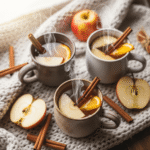
Homemade Apple Cider Recipe
- Total Time: 2 hours 15 minutes - 6 hours 15 minutes
- Yield: 8-10 cups (8-10 servings) 1x
- Diet: Vegetarian
Description
Warm, comforting homemade apple cider made from scratch with fresh apples, oranges, and aromatic fall spices. This easy recipe fills your home with incredible autumn aromas and tastes infinitely better than store-bought cider!
Ingredients
- 10–12 medium apples (about 4 pounds), mixed varieties, quartered
- 2 large oranges, quartered (with peels on)
- 4 cinnamon sticks
- 1 tablespoon whole cloves
- 1 tablespoon whole allspice berries
- 2-inch piece fresh ginger, sliced
- 2–3 whole star anise (optional)
- 2–3 quarts filtered water (enough to cover fruit)
- ¼ cup brown sugar or maple syrup (optional, to taste)
- ¼ teaspoon kosher salt (optional, enhances flavor)
Instructions
- Prepare the Fruit: Wash your apples and oranges thoroughly. Quarter the apples—no need to peel or core them, as the peels and seeds add flavor and natural pectin. Quarter the oranges with peels on. Place all fruit in your large stockpot or slow cooker.
- Add Spices: Add the cinnamon sticks, whole cloves, allspice berries, sliced ginger, and star anise (if using) to the pot with the fruit. These whole spices will infuse the cider with warm, aromatic flavors as it simmers.
- Add Water: Pour enough water into the pot to cover the fruit by about 1-2 inches. You’ll need approximately 2-3 quarts depending on your pot size. Don’t worry about exact measurements—just ensure everything is submerged.
- Bring to a Boil: If using stovetop method, place the pot over high heat and bring to a boil. Once boiling, reduce heat to low to maintain a gentle simmer. If using a slow cooker, set to HIGH.
- Simmer: For stovetop, simmer uncovered for 2-3 hours, stirring occasionally. For slow cooker, cook on HIGH for 3-4 hours or LOW for 5-6 hours. The apples should be completely soft and broken down.
- Mash the Fruit: After cooking, use a potato masher to thoroughly mash all the fruit pieces in the pot. This releases more flavor and juice. Mash for 2-3 minutes until everything is broken down.
- Continue Simmering: Let the mashed mixture simmer for another 30-60 minutes to extract maximum flavor from the fruit and spices. The liquid should be a beautiful amber color.
- Strain the Cider: Place a fine-mesh strainer over a large bowl or pitcher. Carefully ladle the cider mixture through the strainer, pressing on the solids with the back of a spoon to extract all possible liquid. For crystal-clear cider, strain again through cheesecloth.
- Taste and Adjust: Taste your cider. If it’s too tart, add brown sugar or maple syrup one tablespoon at a time until it reaches your desired sweetness. Add a pinch of salt if desired—it enhances all the flavors beautifully.
- Serve or Store: Serve immediately in mugs garnished with a cinnamon stick and orange slice, or let cool completely and refrigerate in glass jars or pitchers for up to one week.
Notes
- Apple Variety Matters: Use a mix of sweet and tart apples for the most complex flavor. Avoid using only one variety.
- Don’t Skip the Oranges: They add essential brightness and balance to the cider.
- Whole Spices are Key: Ground spices make the cider cloudy and can taste bitter. Always use whole spices when possible.
- Sweetness is Optional: Taste before adding any sweetener—depending on your apples, you may not need any at all.
- Make it Clear: For perfectly clear cider, strain through several layers of cheesecloth or a coffee filter.
- Scaling the Recipe: This recipe easily doubles or triples for large gatherings.
- Prep Time: 15 minutes
- Cook Time: 2-3 hours (stovetop) or 4-6 hours (slow cooker)
- Category: Beverage
- Method: Stovetop or Slow Cooker
- Cuisine: American
Nutrition
- Serving Size: 1 cup
- Calories: 95
- Sugar: 21g
- Sodium: 5mg
- Fat: 0g
- Saturated Fat: 0g
- Unsaturated Fat: 0g
- Trans Fat: 0g
- Carbohydrates: 25g
- Fiber: 0g
- Protein: 0g
- Cholesterol: 0mg
Tips & Variations
One of the best things about homemade apple cider is how easily you can customize it. Here are my favorite variations:
Spiked Apple Cider: For adult gatherings, add a shot of bourbon, rum, or spiced rum to each mug. Brandy or apple brandy (calvados) is especially delicious. Garnish with a cinnamon stick for stirring.
Cranberry Apple Cider: Add 1 cup of fresh or frozen cranberries to the pot along with the apples. This creates a beautiful pink color and adds tart complexity.
Maple Cinnamon Cider: Use maple syrup as your sweetener and double the cinnamon sticks for an extra-cozy, breakfast-friendly version that’s amazing with pancakes.
Chai-Spiced Cider: Add 2 teaspoons of black peppercorns, 6 cardamom pods (crushed), and ½ teaspoon of fennel seeds for a chai-inspired twist.
Caramel Apple Cider: Stir in 2-3 tablespoons of caramel sauce when serving, and top with whipped cream for a decadent dessert drink.
Citrus Burst Cider: Add a lemon and a grapefruit along with the oranges for extra bright, citrusy notes.
Vanilla Bean Cider: Split a vanilla bean lengthwise and add it to the pot during cooking for subtle, sweet vanilla undertones.
Mulled Apple Cider: Add a splash of red wine (about 1 cup per 8 cups cider) and additional cloves for a mulled wine-style drink.
Tropical Apple Cider: Add 1 cup of pineapple chunks and substitute lime for orange for an unexpected twist.
Sugar-Free Version: Use stevia or monk fruit sweetener if needed, though naturally sweet apple varieties may not need any sweetener at all.
Pro Chef Tips
After years of perfecting my apple cider recipe, I’ve discovered several professional tricks that take it from good to absolutely spectacular:
Use Overripe Apples: Slightly overripe or bruised apples actually make better cider than perfect ones. They’re sweeter and break down more easily, releasing more juice and flavor. This is also a brilliant way to use up apples that are past their prime for eating fresh.
Don’t Peel Anything: The apple and orange peels contain loads of flavor and natural pectin that gives body to the cider. Plus, leaving them on saves you tons of prep time. Just wash the fruit well before cutting.
Mash Twice: For maximum flavor extraction, mash the fruit once after the initial simmer, let it continue cooking for another hour, then mash again before straining. This double-mash method extracts every bit of flavor.
Control the Simmer: Keep your cider at a bare simmer, not a rolling boil. Boiling too vigorously can make the cider cloudy and can cause some of the delicate flavors to evaporate. You want gentle bubbles, not aggressive heat.
Toast Your Spices: For even deeper flavor, toast your whole spices in a dry skillet for 2-3 minutes before adding them to the pot. This wakes up their essential oils and intensifies their aroma.
The Ice Bath Trick: If you need to chill your cider quickly for serving cold, place your strained cider in a container set in an ice bath. Stir frequently until chilled. This prevents the “cooked” taste that can develop if cider cools too slowly.
Reduce for Intensity: If your cider tastes a bit weak after straining, return it to the heat and simmer uncovered for 30-45 minutes to reduce and concentrate the flavors. This makes a huge difference!
Add Salt: A tiny pinch of salt (about ¼ teaspoon for the whole batch) enhances all the other flavors and makes the sweetness pop. Professional cooks use this trick constantly—salt isn’t just for savory dishes!
Common Mistakes to Avoid
Even though this recipe is straightforward, there are a few pitfalls that can result in disappointing cider. Here’s what to watch out for:
Using Only One Apple Variety: This is the biggest mistake I see. Single-variety apples create one-dimensional flavor. You absolutely need a mix of sweet and tart apples for depth and complexity. Aim for at least 2-3 different varieties.
Boiling Too Hard: A vigorous boil creates a cloudy, muddy-looking cider and can cause some of the delicate apple flavors to evaporate. Keep it at a gentle simmer with just small bubbles breaking the surface. Low and slow wins the race here.
Using Ground Spices: While convenient, ground spices make your cider murky and can taste chalky or bitter. The few extra dollars for whole spices is absolutely worth it for clear, clean-tasting cider. Whole spices also won’t over-infuse and make your cider medicinal-tasting.
Not Mashing the Fruit: Some people skip the mashing step, and they’re missing out on so much flavor! Mashing breaks down the cell walls and releases the juice and pectin trapped inside. Don’t skip this step—it’s crucial.
Straining While Too Hot: If you strain your cider while it’s still at a full boil, you’ll get steam burns and the liquid will be too thin. Let it cool for 10-15 minutes before straining—it’s safer and gives you better texture.
Over-Sweetening: Always taste before adding sweetener! Depending on your apple varieties, you might not need any sugar at all. Add sweetener gradually—you can always add more, but you can’t take it away. Start with 1-2 tablespoons and go from there.
Throwing Away the Pulp Immediately: The leftover fruit pulp after straining can be repurposed! Use it in compost, give it to chickens if you have them, or simmer it again with fresh water for a lighter “second press” cider.
Storage & Meal Prep
Homemade apple cider stores beautifully, making it perfect for batch cooking. Here’s how to keep it fresh:
Refrigerator Storage: Transfer cooled cider to clean glass jars or pitchers with tight-fitting lids. It will keep in the refrigerator for up to 7-10 days. Always smell and taste before serving—if it smells off or tastes fermented (unless you want hard cider!), discard it.
Mason Jar Method: Pour cider into sterilized mason jars, leaving ½ inch of headspace. These stack beautifully in the fridge and are perfect for gifting. Label with the date so you track freshness.
Reheating: For hot cider, reheat gently on the stovetop over medium-low heat or in the microwave. Don’t bring it to a full boil when reheating—just warm it through. You can add a fresh cinnamon stick to the mug for serving.
Serving Cold: Chilled apple cider is refreshing and delicious! Serve over ice with a cinnamon stick stirrer. The flavors actually brighten up when served cold.
Signs of Spoilage: Fresh apple cider will naturally start to ferment after about a week, even when refrigerated. Signs include fizzy bubbles, a vinegar-like smell, or sour taste. If you notice any of these, the cider has gone bad and should be discarded.
Extending Shelf Life: For maximum freshness, store cider in the coldest part of your refrigerator (usually the back) and minimize how often you open and close the container.
Make-Ahead & Freezer Notes
Apple cider is fantastic for making ahead, especially during the busy holiday season. Here’s how to plan:
Making Ahead for Parties: You can make this cider up to 3 days before your event. Store it in the refrigerator, then reheat before serving. The flavors actually meld and improve after a day or two in the fridge.
Freezing Cider: Yes! Apple cider freezes beautifully for up to 3 months. Pour cooled cider into freezer-safe containers, leaving 1-2 inches of headspace for expansion. Freeze flat in freezer bags for space-saving storage. Thaw overnight in the refrigerator before reheating.
Ice Cube Method: Freeze cider in ice cube trays, then transfer cubes to freezer bags. These are perfect for adding to drinks, smoothies, or for quickly making single servings. Each cube is roughly 2 tablespoons.
Concentrate Method: For maximum freezer space efficiency, simmer your strained cider until reduced by half. Freeze this concentrate, then dilute with equal parts water when ready to serve. This is how many orchards freeze their cider commercially.
Thawing and Reheating: Thaw frozen cider in the refrigerator overnight or place the sealed container in a bowl of cold water for faster thawing. Once thawed, reheat gently on the stovetop, stirring occasionally.
Canning Option: If you’re experienced with home canning, you can process apple cider using a water bath canner for long-term shelf-stable storage. Follow USDA guidelines for proper acidification and processing times to ensure safety.
Best Practice: While cider does freeze well, I find the absolute best flavor comes from fresh or refrigerated cider used within a week. The bright, fresh apple notes are most vibrant before freezing.
Serving Suggestions
Apple cider is wonderfully versatile and pairs beautifully with so many fall and winter foods. Here are my favorite ways to serve it:
Classic Hot Cider Bar: Set up a self-serve station with hot cider in a slow cooker, and offer toppings: cinnamon sticks, orange slices, apple slices, whole cloves, star anise, caramel sauce, whipped cream, and for adults, bourbon, rum, or whiskey.
Fall Breakfast Pairing: Serve alongside pumpkin pancakes, cinnamon rolls, apple cider donuts, French toast, or warm oatmeal for a cozy autumn breakfast that feels like a special occasion.
Holiday Dinner: Hot apple cider is perfect before Thanksgiving or Christmas dinner. Serve it as guests arrive with cheese and crackers, creating a warm, welcoming atmosphere.
Fall Baking Companion: Pair with apple pie, pumpkin pie, pecan pie, gingerbread cookies, snickerdoodles, or any fall-spiced dessert. The cider echoes the warm spices in the baked goods beautifully.
Cozy Evening Pairings: Serve with popcorn and a movie, alongside a good book on a rainy day, or while decorating the Christmas tree. It’s the ultimate comfort beverage.
Game Day Alternative: Offer it as a non-alcoholic option at fall tailgates and football parties alongside chili, sliders, and nachos.
Dessert Beverage: Serve it in small mugs as an after-dinner drink, optionally spiked with bourbon and topped with whipped cream for a dessert-like experience.
Brunch Favorite: Create apple cider mimosas by mixing half cider, half champagne or prosecco for an autumn brunch cocktail.
Afternoon Tea: Serve hot cider instead of tea during fall months with scones, cookies, and tea sandwiches for a seasonal twist on afternoon tea.
Food Pairings: Cider complements sharp cheddar cheese, roasted nuts, glazed ham, roast turkey, pork chops, butternut squash soup, and anything with warming spices.
FAQs Section
Q: What’s the difference between apple cider and apple juice?
A: Great question! Apple cider is typically unfiltered, unpasteurized, and has a cloudier appearance with more robust apple flavor and sediment. Apple juice is filtered, pasteurized, clarified, and has a lighter, sweeter taste with clear appearance. Both start from pressed apples, but cider maintains more of the whole fruit character. This homemade version is technically a spiced apple cider since we’re cooking it with spices.
Q: Can I make this without a slow cooker?
A: Absolutely! The stovetop method works perfectly and actually gives you more control over the simmering temperature. Just use a large stockpot, bring everything to a boil, then reduce to a gentle simmer for 2-3 hours. The slow cooker is convenient for hands-off cooking, but stovetop is traditional and works beautifully.
Q: Why is my cider cloudy instead of clear?
A: Some cloudiness is natural and actually desirable in rustic homemade cider! However, if you prefer crystal-clear cider, double-strain it: first through a fine-mesh strainer, then through several layers of cheesecloth or even a coffee filter. Let it sit in the fridge overnight—sediment will settle to the bottom, and you can carefully pour off the clear cider from the top. Using whole spices instead of ground also prevents excessive cloudiness.
Q: Can I use apple juice instead of fresh apples?
A: While you could technically heat up apple juice with spices, it won’t have the same depth, complexity, or amazing aroma as cider made from whole apples. Fresh apples release pectin, natural sugars, and compounds from their skins and flesh that create that signature homemade taste. If you’re in a pinch, use high-quality, unfiltered apple juice and simmer it with all the spices for at least an hour.
Q: How do I know when my apples are cooked enough?
A: Your apples are ready when they’re completely soft and falling apart—you should be able to easily mash them with a potato masher or spoon. This usually takes 2-3 hours on the stovetop or 4-6 hours in a slow cooker. The mixture will look like chunky applesauce, and the liquid should be a deep amber color.
Q: Can I make hard cider from this recipe?
A: This recipe creates non-alcoholic cider. To make hard cider, you’d need to add yeast and let it ferment for several weeks—that’s a completely different process requiring specific equipment and knowledge. However, you can easily spike this cider by adding liquor to individual servings when serving.
Q: My cider tastes too tart. How can I fix it?
A: Simply add sweetener gradually until it reaches your desired taste. Start with 1 tablespoon of brown sugar, maple syrup, or honey at a time, stirring well and tasting after each addition. Some people prefer tart cider, while others like it sweeter—there’s no wrong answer! You can also ask guests to sweeten their own mugs to taste.
Q: Can I reuse the leftover fruit and spices?
A: The fruit pulp has given up most of its flavor, but you can simmer it one more time with fresh water for a lighter “second press” cider. The spices, however, are spent and should be discarded. The fruit pulp makes excellent compost or can be used in baking (applesauce recipes) though the flavor will be mild.
Conclusion
There you have it—everything you need to make the most incredible homemade apple cider recipe that will become your signature fall beverage! This easy apple cider from scratch is proof that the best things in life are often the simplest. With just a pot of apples, some warming spices, and a few hours of gentle simmering, you can create something that fills your home with the most amazing autumn aroma and tastes infinitely better than anything you can buy.
What I love most about this slow cooker apple cider (or stovetop version) is how it makes your house feel like home. The moment those spices start simmering with the apples, it’s like wrapping yourself in a cozy blanket. It’s the smell of fall, the taste of tradition, and the warmth of gathering together with loved ones—all in one steaming mug.
This recipe is endlessly customizable too. Make it exactly as written for classic cider, or experiment with the variations to create your own signature version. Try it spiked for adult gatherings, add cranberries for holiday color, or keep it simple and pure for a family-friendly treat. However you make it, I guarantee it will become a beloved autumn tradition in your home like it has in mine.
Now grab those apples and get simmering! Your kitchen is about to smell absolutely incredible. I’d love to hear how your apple cider turns out—drop a comment below and let me know your favorite way to customize it. Did you make it in the slow cooker or on the stovetop? Did you add any special spices? Share your experience! And if you loved this recipe, please pin it to your favorite fall recipe boards on Pinterest so other home cooks can discover the magic of homemade cider too. Happy fall, and enjoy every cozy sip! 🍎