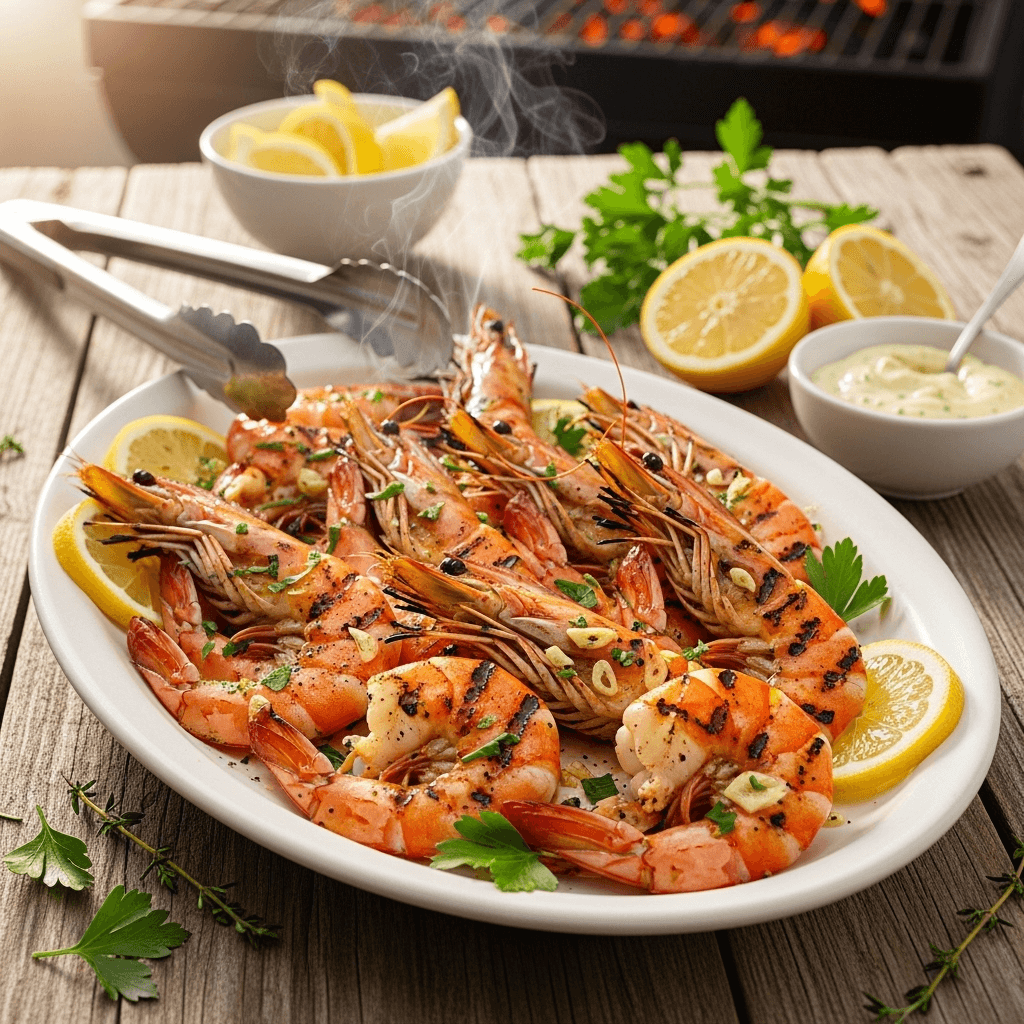
There’s something incredibly satisfying about perfectly grilled shrimp—tender, juicy, slightly charred, and bursting with flavor. This grilled shrimp recipe is a game-changer for weeknight dinners, backyard barbecues, and elegant entertaining alike. In just 15 minutes from start to finish, you’ll have restaurant-quality shrimp that’s so delicious, you’ll wonder why you ever ordered it at a restaurant.
What makes this recipe truly special is its versatility. Serve these beautifully grilled shrimp as a main course with rice and vegetables, toss them into pasta or salads, stuff them into tacos, or thread them onto skewers for impressive party appetizers. The simple marinade enhances the natural sweetness of the shrimp without overpowering it, letting that gorgeous seafood flavor shine through.
Whether you’re firing up the grill for summer cookouts or using your indoor grill pan on a Tuesday evening, this easy grilled shrimp recipe delivers consistent, mouthwatering results every single time. It’s become one of my most-requested recipes because it feels fancy enough for guests but is actually easier than grilling chicken. Plus, shrimp cooks so quickly that you’re never stuck at the grill for long—a major win for any home cook.
History / Background
Grilled shrimp has deep roots in coastal cuisines around the world, from the Mediterranean to Southeast Asia, the Caribbean to the American Gulf Coast. Wherever communities had access to fresh shrimp and open fires, grilling became a natural and beloved cooking method that highlighted the seafood’s natural sweetness while adding that irresistible smoky char.
In the United States, grilled shrimp became particularly iconic along the Gulf Coast—especially in Louisiana, Alabama, and Florida—where shrimping has been a vital industry since the 18th century. The tradition of grilling shrimp at beach bonfires and backyard fish frys became woven into Southern coastal culture. Families would gather at dusk, skewer fresh-caught shrimp, and grill them over open flames while sharing stories and cold drinks.
The popularization of outdoor grilling in America during the 1950s and 60s brought grilled shrimp from coastal regions into suburban backyards across the country. As backyard barbecues became a quintessential American pastime, shrimp joined burgers and hot dogs on the grill, offering a lighter, more sophisticated option that cooked faster than traditional barbecue meats.
Different regions developed their own signature approaches: New Orleans-style grilled shrimp often features bold Cajun spices and butter, while Key West preparations lean toward citrus and garlic. Asian-influenced versions incorporate soy sauce, ginger, and sesame, while Mediterranean styles embrace olive oil, lemon, and herbs. This global appeal demonstrates shrimp’s incredible versatility and universal popularity.
Today, grilled shrimp represents the perfect intersection of convenience and elegance. It’s quick enough for busy weeknights yet impressive enough for dinner parties, making it one of the most popular seafood preparations in American home cooking.
Why You’ll Love This Recipe
This grilled shrimp recipe has earned its place as a go-to favorite in my kitchen, and I’m confident it’ll become one of yours too. The combination of simplicity, speed, and incredible flavor makes it an absolute winner for any occasion. Whether you’re a seafood enthusiast or someone who’s intimidated by cooking fish, this foolproof recipe will give you the confidence to grill perfect shrimp every single time.
Here’s why this recipe is absolutely irresistible:
- Lightning-fast cooking time – From raw shrimp to dinner on the table in just 15 minutes total
- Minimal ingredient list – Uses pantry staples you probably already have on hand
- Foolproof technique – Nearly impossible to mess up with clear, simple instructions
- Naturally healthy – High in protein, low in calories and carbs, perfect for keto and paleo diets
- Restaurant-quality results – Tastes like something from an upscale seafood restaurant
- Incredibly versatile – Serve as a main dish, appetizer, taco filling, salad topping, or pasta addition
- Budget-friendly luxury – Feels special but costs less per serving than most proteins
- Perfect for entertaining – Cooks quickly so you’re not stuck at the grill missing the party
- Customizable flavors – Easy to adjust spices and seasonings to your preferences
- No special equipment needed – Works on gas grills, charcoal grills, or indoor grill pans
- Crowd-pleaser guarantee – Even people who claim they don’t like seafood love this recipe
- Meal prep friendly – Grilled shrimp stays delicious for days in the refrigerator
The marinade is bright, zesty, and perfectly balanced, complementing rather than masking the sweet, delicate flavor of the shrimp. You’ll get that gorgeous caramelization and light char that makes grilled food so irresistible.
Ingredient Notes
Understanding your ingredients helps you achieve the best results and make smart substitutions when needed. Here’s everything you need to know about the components of this delicious grilled shrimp recipe:
Shrimp: The star of the show. For grilling, I always recommend using large or jumbo shrimp (16-20 count or 21-25 count per pound). Larger shrimp are easier to handle on the grill and less likely to overcook. You can use fresh or frozen shrimp—just make sure frozen shrimp is completely thawed and patted very dry before marinating. I prefer buying shell-on, deveined shrimp and peeling them myself for better flavor and texture, but pre-peeled shrimp saves time. Leave the tails on for a beautiful presentation, especially if serving as appetizers.
Olive Oil: Creates the base of the marinade and prevents sticking on the grill. Extra virgin olive oil adds the most flavor, but regular olive oil or avocado oil works perfectly too. The oil helps distribute the seasonings evenly and promotes that gorgeous caramelization when the shrimp hits the hot grill.
Garlic: Fresh minced garlic is absolutely essential here—it adds aromatic depth that garlic powder simply can’t replicate. I use 4-5 cloves for about 1.5 pounds of shrimp, but garlic lovers can certainly add more. The garlic mellows and sweetens as it grills, creating an irresistible flavor.
Lemon Juice and Zest: Fresh lemon provides brightness and acidity that cuts through the richness and enhances the shrimp’s natural sweetness. Always use fresh lemon juice, never bottled—the difference is dramatic. The zest contains aromatic oils that add an extra layer of citrus flavor. One large lemon yields about 3 tablespoons of juice and 1 tablespoon of zest.
Paprika: Adds a subtle sweetness and gorgeous color to the shrimp. I use sweet paprika, but smoked paprika creates a deeper, smokier flavor profile that’s absolutely delicious. For a spicy kick, substitute with cayenne pepper or add red pepper flakes.
Dried Herbs: Italian seasoning, oregano, or a combination of dried basil and thyme add savory depth. Fresh herbs work too—just triple the amount since dried herbs are more concentrated.
Salt and Pepper: Essential for bringing out all the flavors. Don’t skimp on seasoning—shrimp needs adequate salt to taste its best. Freshly ground black pepper adds a pleasant bite.
Optional Add-ins: A teaspoon of honey balances the acidity, a splash of white wine adds sophistication, or hot sauce kicks up the heat. Some cooks add a tablespoon of melted butter for extra richness.
Equipment Needed
Grilling shrimp doesn’t require fancy equipment—just a few basic tools that most home cooks already have:
- Outdoor grill or grill pan – Gas grill, charcoal grill, or stovetop grill pan all work beautifully
- Metal skewers or bamboo skewers – If using bamboo, soak them in water for 30 minutes to prevent burning
- Large mixing bowl – For marinating the shrimp
- Tongs – Long-handled tongs for safely flipping shrimp on the grill
- Grill brush – To clean the grill grates before cooking
- Paper towels – For patting shrimp dry
- Cutting board – For prep work
- Sharp knife – For mincing garlic and slicing lemons
- Measuring spoons – For accurate seasoning
- Microplane or zester – For zesting lemons
- Serving platter – For presenting your beautiful grilled shrimp
- Pastry brush – Optional, for brushing on extra marinade during grilling
Pro tip: If you don’t have skewers, you can use a grill basket specifically designed for seafood. It prevents small pieces from falling through the grates and makes flipping multiple shrimp at once incredibly easy.
Print
Grilled Shrimp Recipe
- Total Time: 15 minutes
- Yield: 4 servings 1x
- Diet: Gluten Free
Description
Perfectly grilled shrimp with a flavorful garlic, lemon, and herb marinade. These juicy, tender shrimp have a beautiful char and take just 15 minutes from start to finish. Serve as a main course, appetizer, or add to salads, pasta, and tacos. This easy grilled shrimp recipe is naturally healthy, incredibly versatile, and absolutely delicious.
Ingredients
For the Shrimp:
- 1.5 pounds large shrimp (16–20 count), peeled and deveined, tails on or off
- 3 tablespoons extra virgin olive oil
- 4–5 cloves garlic, minced
- 2 tablespoons fresh lemon juice (about 1 large lemon)
- 1 tablespoon lemon zest
- 1 teaspoon sweet paprika (or smoked paprika)
- 1 teaspoon dried Italian seasoning (or oregano)
- ¾ teaspoon salt
- ½ teaspoon freshly ground black pepper
- ¼ teaspoon red pepper flakes (optional, for heat)
- 2 tablespoons fresh parsley, chopped (for garnish)
- Lemon wedges for serving
Instructions
- Prepare the shrimp: If using frozen shrimp, thaw completely in the refrigerator overnight or under cold running water. Peel and devein the shrimp if needed, leaving tails on for presentation if desired. Pat shrimp completely dry with paper towels—this is crucial for getting good caramelization on the grill. Place dried shrimp in a large mixing bowl.
- Make the marinade: In the same bowl with the shrimp, add the olive oil, minced garlic, lemon juice, lemon zest, paprika, Italian seasoning, salt, black pepper, and red pepper flakes if using. Toss everything together thoroughly, ensuring every shrimp is coated with the marinade. You can marinate for as little as 10 minutes or up to 30 minutes at room temperature, or up to 2 hours in the refrigerator for deeper flavor. Don’t marinate longer than 2 hours—the acid in the lemon juice will start to “cook” the shrimp and affect the texture.
- Prepare your grill: Preheat your outdoor grill to medium-high heat (about 400°F). If using a gas grill, preheat for 10-15 minutes with the lid closed. For charcoal grills, wait until the coals are covered with white ash. Clean the grill grates thoroughly with a grill brush and lightly oil them using a paper towel dipped in oil held with tongs—this prevents sticking.
- Skewer the shrimp (optional): Thread the marinated shrimp onto metal or pre-soaked bamboo skewers, piercing through both the tail end and head end so the shrimp forms a “C” shape. Don’t crowd them—leave a little space between each shrimp for even cooking. Alternatively, place shrimp directly on the grill grates perpendicular to the bars, or use a grill basket.
- Grill the shrimp: Place the shrimp or skewers on the preheated grill. Close the lid and grill for 2-3 minutes without moving them—this allows those beautiful grill marks to form. Using tongs, flip the shrimp to the other side and grill for another 2-3 minutes. The shrimp are done when they turn pink and opaque throughout, with slightly charred edges. The flesh should be firm but still tender. Be careful not to overcook—shrimp can go from perfect to rubbery in seconds.
- Check for doneness: Perfectly cooked shrimp will be opaque with a bright pink-coral color and will have formed a loose “C” shape. If they curl into a tight “O” shape, they’re overcooked. The internal temperature should reach 120-145°F.
- Rest and serve: Remove the grilled shrimp from the grill and transfer to a serving platter. Squeeze fresh lemon juice over the top and garnish with chopped fresh parsley. Serve immediately while hot with extra lemon wedges on the side.
Notes
- Shrimp size matters: Larger shrimp are more forgiving and easier to grill without overcooking. If using smaller shrimp, reduce cooking time to 1-2 minutes per side.
- Don’t over-marinate: Shrimp are delicate and the acid in lemon juice will start to “cook” them if marinated too long. Maximum 2 hours.
- Grill temperature: Medium-high heat (400°F) is ideal. Too hot and the outside burns before the inside cooks; too cool and they’ll steam instead of char.
- Watch closely: Shrimp cook incredibly fast. Stay at the grill and don’t multitask—they go from perfect to overcooked in less than a minute.
- Indoor option: Use a grill pan on the stovetop over medium-high heat. The cooking time and method remain the same.
- Make it spicier: Add cayenne pepper, increase red pepper flakes, or brush with hot sauce while grilling.
- Prep Time: 10 minutes
- Cook Time: 05 minutes
- Category: Appetizer
- Method: Grilling
- Cuisine: American
Nutrition
- Serving Size: Approximately 6 ounces cooked shrimp (about 8-10 large shrimp)
- Calories: 215
- Sugar: 0g
- Sodium: 520mg
- Fat: 11g
- Saturated Fat: 1g
- Unsaturated Fat: 9g
- Trans Fat: 0g
- Carbohydrates: 3g
- Fiber: 0g
- Protein: 26g
- Cholesterol: 285mg
Tips & Variations
The beauty of this grilled shrimp recipe is how easily it adapts to different flavor profiles and dietary preferences. Here are some delicious ways to customize it:
Flavor Variations:
- Cajun Grilled Shrimp: Replace Italian seasoning with 2 teaspoons Cajun seasoning and add a teaspoon of brown sugar for balance
- Asian-Style: Use sesame oil instead of olive oil, add soy sauce, fresh ginger, and a touch of honey
- Mediterranean: Add dried oregano, fresh basil, and crumbled feta cheese after grilling
- Garlic Butter Shrimp: Brush with melted garlic butter during and after grilling for extra richness
- Spicy Chipotle: Add chipotle powder and lime juice instead of lemon for a smoky, spicy kick
- Tropical: Marinate with pineapple juice, coconut aminos, and fresh cilantro
- Italian Herb: Increase herbs and add fresh basil, thyme, and a splash of white wine
Dietary Modifications:
- Whole30: This recipe is already compliant—just ensure your paprika has no added sugar
- Keto/Low-Carb: Already perfect as is with only 3g carbs per serving
- Paleo: Fully compliant with no modifications needed
- Dairy-Free: This recipe is naturally dairy-free
Serving Style Options:
- Shrimp Skewers: Thread on skewers alternating with cherry tomatoes, bell peppers, and onion chunks
- Shrimp Tacos: Chop grilled shrimp and serve in tortillas with slaw and avocado
- Shrimp Salad: Toss with mixed greens, cucumbers, and vinaigrette
- Shrimp Pasta: Add to linguine with garlic, white wine, and fresh tomatoes
- Shrimp Bowl: Serve over rice or quinoa with roasted vegetables
Add Extra Vegetables: Grill vegetables alongside your shrimp—zucchini, bell peppers, asparagus, and red onion all cook in about the same time and complement the shrimp beautifully.
Pro Chef Tips
Want restaurant-quality grilled shrimp at home? These professional techniques make all the difference:
Brine your shrimp for ultimate juiciness. Even 15 minutes in a simple brine (1 tablespoon salt dissolved in 2 cups cold water) helps shrimp retain moisture during the high heat of grilling. Rinse and pat completely dry before marinating. This extra step prevents that disappointing rubbery texture.
Pat shrimp bone-dry before marinating. Excess moisture prevents proper caramelization and creates steam instead of that coveted char. Use multiple paper towels and press firmly—the shrimp should feel almost sticky-dry to the touch. Wet shrimp will never develop those beautiful grill marks.
Score the shrimp slightly for faster, more even cooking. Make a shallow cut along the back of each shrimp (where you deveined). This helps them cook more evenly and prevents them from curling up too tightly, which can create undercooked centers.
Create different heat zones on your grill. Keep one side at high heat for searing and one side at medium for gentler cooking. Start shrimp on high heat for color and char, then move to medium heat to finish cooking without burning. This two-zone method gives you perfect control.
Don’t flip too early. The shrimp will stick if you try to move them before they’ve had a chance to develop a crust. Wait the full 2-3 minutes—when they’re ready to flip, they’ll release easily from the grates. If they’re sticking, they need more time.
Oil the shrimp, not the grill. While a lightly oiled grill helps, the oil in your marinade is actually more effective at preventing sticking. Make sure each shrimp is well-coated with the olive oil marinade.
Use the “C” shape test for doneness. Raw shrimp form a straight line. Perfectly cooked shrimp curl into a loose “C” shape. Overcooked shrimp curl into a tight “O” shape. Pull them off the grill when they’re still in that “C” shape—they’ll continue cooking slightly from residual heat.
Let the marinade do double duty. Reserve a small amount of unused marinade (that hasn’t touched raw shrimp) before adding shrimp. Use this clean marinade to brush on the shrimp during the last 30 seconds of grilling for an extra flavor boost and beautiful glossy finish.
Season again after grilling. A tiny pinch of flaky sea salt and a squeeze of fresh lemon juice right before serving brightens all the flavors and adds a professional finishing touch that takes the dish from good to incredible.
Thread shrimp perpendicular to skewers. Pierce through both the tail and head ends so shrimp lie flat. This prevents spinning when you flip them and ensures both sides get equal contact with the grill.
Common Mistakes to Avoid
Even experienced cooks can stumble with grilled shrimp. Here are the most common pitfalls and how to avoid them:
Overcooking the shrimp. This is the number one mistake and it’s heartbreaking because overcooked shrimp are rubbery, dry, and tough. Shrimp cook incredibly fast—usually just 2-3 minutes per side. Set a timer and stay at the grill. Watch for the color change from translucent gray to opaque pink. The moment they’re opaque throughout, remove them immediately. Remember, they continue cooking from residual heat even after leaving the grill.
Not drying the shrimp thoroughly. Wet shrimp won’t caramelize or develop grill marks—they’ll just steam. After thawing or rinsing, use multiple paper towels to press the shrimp completely dry. This seems minor but makes a massive difference in the final result. Dry shrimp = beautiful char. Wet shrimp = gray and steamed.
Using too much marinade or one that’s too oily. While the marinade adds flavor, excess oil dripping onto hot coals or flames causes flare-ups that can burn your shrimp. Use just enough marinade to coat evenly, and shake off excess before grilling. If you’re getting constant flare-ups, your marinade is too oil-heavy.
Marinating too long. Unlike chicken or beef, shrimp are delicate and can actually be “cooked” by the acid in marinades if left too long. The texture becomes mushy and unpleasant. Maximum marinating time is 2 hours, and honestly, 15-30 minutes is usually perfect. Quick-marinating proteins like shrimp don’t need hours to absorb flavor.
Not preheating the grill properly. A properly preheated grill (10-15 minutes for gas, until coals are white for charcoal) ensures good searing and prevents sticking. Grilling shrimp on a not-quite-hot grill means they’ll stick to the grates and tear when you try to flip them. The grill should be hot enough that you can hold your hand 6 inches above the grates for only 3-4 seconds before it’s too uncomfortable.
Skipping the oil on the grates. Even with oil in the marinade, taking 30 seconds to oil your grill grates with a paper towel dipped in oil prevents frustrating sticking and tearing. This simple step saves so much aggravation.
Using shrimp that are too small. Small shrimp (41-50 count or higher) cook so quickly that timing becomes nearly impossible—you’ll almost certainly overcook them. They also fall through grill grates more easily. Stick with large (21-25 count) or jumbo (16-20 count) shrimp for foolproof grilling.
Not cleaning the grill grates first. Old food residue causes sticking and can impart off flavors to your delicate shrimp. Always start with clean grates using a good grill brush while they’re still hot from preheating.
Storage & Meal Prep
Grilled shrimp are excellent for meal prep and store beautifully, making them perfect for planning ahead or enjoying leftovers.
Refrigerator Storage: Transfer cooled grilled shrimp to an airtight container and refrigerate within 2 hours of cooking. They’ll stay fresh for 3-4 days in the refrigerator. Make sure the container is truly airtight to prevent the shrimp from drying out or absorbing other refrigerator odors.
Reheating Tips: Grilled shrimp are actually delicious served cold in salads or tacos, so reheating isn’t always necessary. If you do want to reheat them, be extremely gentle to avoid overcooking. The best methods are:
- Stovetop: Heat a tablespoon of butter or olive oil in a skillet over low-medium heat and warm the shrimp for 1-2 minutes, just until heated through
- Microwave: Place shrimp in a microwave-safe dish with a damp paper towel over top. Heat in 20-second intervals, checking frequently
- Oven: Wrap in foil and warm at 300°F for just 5-7 minutes
Cold Serving Options: Honestly, leftover grilled shrimp are fantastic straight from the refrigerator. Chop them and add to cold pasta salads, toss into green salads, stuff into wraps, or use as pizza topping. The flavor is actually brighter when served cold.
Meal Prep Strategy: Grill a double or triple batch on Sunday and use throughout the week in different preparations:
- Monday: Shrimp tacos with slaw
- Tuesday: Shrimp Caesar salad
- Wednesday: Shrimp and vegetable stir-fry
- Thursday: Shrimp pasta with marinara
- Friday: Shrimp quesadillas
Storage Note: Never leave grilled shrimp at room temperature for more than 2 hours (1 hour if temperature is above 90°F). Seafood is particularly prone to bacterial growth, so refrigerate promptly.
Make-Ahead & Freezer Notes
While shrimp are quick to cook, you can still do some advance prep to make dinner even faster on busy nights.
Marinate Ahead: Mix your marinade ingredients and combine with raw shrimp up to 2 hours before grilling. Keep refrigerated. This is perfect if you want to come home and immediately start cooking. Just remember not to exceed that 2-hour marinating window.
Prep-Ahead Strategy: Measure and mix all your dry seasonings into a small jar or container. When you’re ready to cook, just add the olive oil, lemon juice, and fresh garlic. This saves time on busy weeknights and ensures you always have the seasoning blend ready.
Freezing Raw Marinated Shrimp: You can freeze raw shrimp in the marinade for up to 3 months. Place shrimp and marinade in a freezer-safe zip-top bag, remove as much air as possible, and freeze flat. To use, thaw overnight in the refrigerator, then grill as directed. The shrimp will marinate as they thaw—very convenient!
Freezing Cooked Shrimp: While possible, I generally don’t recommend freezing grilled shrimp because the texture suffers during thawing. Shrimp become slightly mushy and lose some of their pleasant snap. However, if you must freeze them, cool completely, place in an airtight container or freezer bag with as much air removed as possible, and freeze for up to 2 months. Thaw overnight in the refrigerator.
Best Practice: Since shrimp cook so quickly (literally 5 minutes), I recommend just grilling them fresh whenever possible rather than relying on freezing cooked shrimp. The texture and flavor are infinitely better.
Pre-Grilling Prep: If you’re hosting a party, you can thread the marinated shrimp onto skewers up to 4 hours ahead. Cover with plastic wrap and refrigerate until grilling time. This allows you to spend time with guests instead of prepping at the last minute.
Serving Suggestions
Grilled shrimp are incredibly versatile and pair beautifully with countless sides and accompaniments. Here are some delicious serving ideas:
Classic Pairings:
- Rice: White rice, cilantro lime rice, coconut rice, or Spanish rice all complement grilled shrimp perfectly
- Pasta: Toss with angel hair, linguine, or orzo with garlic butter, lemon, and fresh herbs
- Grilled Vegetables: Zucchini, bell peppers, asparagus, and corn on the cob
- Salads: Caesar salad, Greek salad, or mixed greens with citrus vinaigrette
- Bread: Garlic bread, crusty French bread, or warm flour tortillas
Complete Meal Ideas:
- Shrimp Dinner Plate: Serve over garlic butter rice with grilled asparagus and a wedge salad
- Shrimp Tacos: Stuff grilled shrimp into warm tortillas with cabbage slaw, avocado, and cilantro lime crema
- Shrimp Bowls: Build bowls with quinoa or rice, roasted vegetables, and a drizzle of tahini or pesto
- Surf and Turf: Pair with grilled steak for an impressive dinner
- Shrimp Pasta: Toss with linguine, cherry tomatoes, white wine, and fresh basil
Appetizer Presentation: Serve on individual skewers with cocktail sauce, aioli, or chimichurri for dipping. Arrange on a platter with lemon wedges and fresh parsley for a beautiful presentation.
Beverage Pairings:
- Wine: Crisp white wines like Sauvignon Blanc, Pinot Grigio, or unoaked Chardonnay
- Beer: Light lagers, wheat beers, or citrus-forward IPAs
- Non-alcoholic: Sparkling water with lemon, iced tea, or limeade
Sauces and Dips: While this grilled shrimp is delicious on its own, offer these on the side for variety:
- Cocktail sauce
- Garlic aioli
- Tzatziki sauce
- Chimichurri
- Mango salsa
- Avocado crema
- Lemon butter sauce
Side Dish Suggestions:
- Coleslaw (creamy or vinegar-based)
- Corn salad with lime and cotija cheese
- Roasted potatoes with herbs
- Grilled peaches or pineapple
- Cucumber tomato salad
- Black bean and corn salad
FAQs Section
How do I know when grilled shrimp are done?
Perfectly cooked shrimp turn opaque and bright pink-coral in color throughout. They’ll curl into a loose “C” shape—not a tight circle, which indicates overcooking. The flesh should be firm but still tender, not rubbery. Internal temperature should reach 120-145°F. Because shrimp cook so quickly, watch them constantly and remove them the moment they turn completely opaque. They’ll continue cooking slightly from residual heat.
Should I use fresh or frozen shrimp?
Both work beautifully! In fact, unless you live on the coast with access to day-boat shrimp, “fresh” shrimp at the supermarket were likely previously frozen anyway. Frozen shrimp are often higher quality because they’re flash-frozen immediately after being caught, locking in freshness. Just make sure to thaw frozen shrimp completely in the refrigerator overnight or under cold running water, then pat them very dry before marinating.
Can I grill shrimp without skewers?
Absolutely! You have several options: place shrimp directly on the grill grates perpendicular to the bars (so they don’t fall through), use a grill basket designed for seafood, or use a piece of cedar plank or foil with holes poked in it. Skewers are traditional and make flipping easier, but they’re not required. If grilling directly on grates, make sure your shrimp are large enough not to slip through.
Do I need to devein shrimp?
The “vein” is actually the shrimp’s digestive tract. While it’s technically edible, most people prefer to remove it for aesthetic reasons and to avoid any gritty texture or slight bitterness. You can buy shrimp already deveined (usually labeled “E-Z peel” or “deveined”), or devein them yourself by making a shallow cut along the back and pulling out the dark vein. For large shrimp being grilled, I always recommend deveining.
Can I make this recipe in the oven or on the stovetop?
Yes! While grilling adds wonderful smoky flavor and char, you can achieve similar results using other cooking methods. For oven: broil on high on a baking sheet for 2-3 minutes per side, watching closely. For stovetop: heat a grill pan or cast iron skillet over medium-high heat and cook for 2-3 minutes per side. The cooking time remains approximately the same—shrimp cook quickly regardless of method.
How many shrimp per person should I plan?
As a main course, plan for 6-8 ounces of raw shrimp per person, which is typically 8-10 large shrimp (16-20 count). As an appetizer, 4-5 large shrimp per person is usually sufficient. When in doubt, slightly overestimate—grilled shrimp are so delicious that people often go back for seconds, and leftovers are fantastic in so many dishes.
Can I use this marinade for other proteins?
Definitely! This garlic-lemon marinade is wonderful on chicken breasts, fish fillets (especially firm white fish like mahi-mahi or halibut), scallops, calamari, or even vegetables like zucchini and mushrooms. Just adjust cooking times accordingly—chicken needs 6-8 minutes per side, fish needs 4-5 minutes per side, and vegetables need 3-4 minutes per side. The bright, garlicky flavors complement virtually any protein.
What if I don’t have an outdoor grill?
No problem at all! A stovetop grill pan works wonderfully and gives you those beautiful char marks. Heat it over medium-high heat until a drop of water sizzles immediately, then cook the shrimp for 2-3 minutes per side just as you would on an outdoor grill. You can also broil them on the top oven rack for 2-3 minutes per side. While you won’t get quite the same smoky flavor as outdoor grilling, the results are still absolutely delicious.
Conclusion
This easy grilled shrimp recipe is about to become your secret weapon for quick, impressive meals that taste like they came from a fancy restaurant. Whether you’re grilling for a weeknight family dinner, hosting a backyard barbecue, or meal-prepping for the week ahead, these perfectly seasoned, beautifully charred shrimp deliver every single time.
The simplicity of this recipe is what makes it so brilliant. With just a handful of ingredients and 15 minutes of your time, you can create a dish that’s healthy, delicious, and versatile enough to serve a dozen different ways. The bright garlic-lemon marinade enhances rather than masks the sweet, delicate flavor of the shrimp, and that light char from the grill adds an irresistible smoky depth.
I love that this recipe takes the intimidation out of cooking seafood. If you’ve ever worried about grilling fish or shellfish, this foolproof method will give you the confidence to become a seafood-grilling pro. The quick cooking time means less chance of overcooking, and the visual cues (that gorgeous pink color and loose “C” shape) make it easy to know exactly when they’re done.
Now it’s your turn to fire up that grill and experience just how amazing homemade grilled shrimp can be! I’d absolutely love to see your beautiful creations—snap a photo of your perfectly grilled shrimp and share it on Pinterest so other home cooks can discover this recipe too. Tag me so I can see your delicious results!
Have you tried this recipe? Drop a comment below and let me know how it turned out. Did you add your own twist? What did you serve alongside your grilled shrimp? Your feedback and creative variations help this little community of home cooks, and I read every single comment. Don’t forget to pin this recipe to your favorite boards so you can find it easily whenever that grilling craving hits!
Happy grilling, friends! Here’s to quick, delicious dinners that make you look like a culinary genius. 🍤