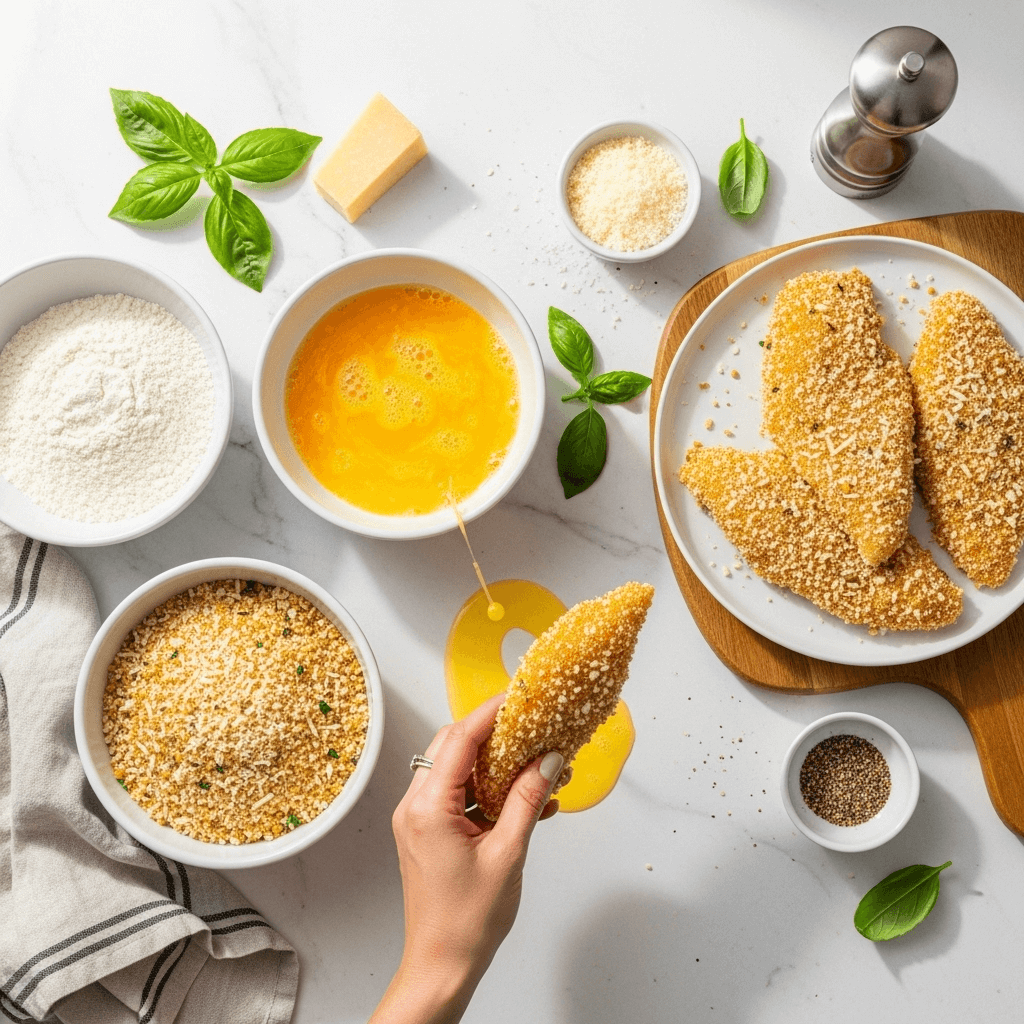

There’s something truly magical about Chicken Parmesan – that perfect combination of crispy breaded chicken, tangy marinara sauce, and gloriously melted mozzarella cheese that creates the kind of comfort food dreams are made of. This classic Italian-American dish has been gracing dinner tables across the United States for generations, and for good reason. It’s the kind of meal that makes weeknight dinners feel special, impresses dinner guests without stressing you out, and somehow tastes even better as leftovers the next day.
Whether you call it Chicken Parm, Chicken Parmesan, or its Italian name “Pollo alla Parmigiana,” this beloved recipe delivers crispy, golden-brown chicken cutlets smothered in rich tomato sauce and topped with bubbly, melted cheese. It’s comfort food at its finest – the kind of dish that brings families together around the table and creates those warm, cozy dinner memories we all cherish.
Perfect for Sunday family dinners, date nights at home, or even meal prep for the week ahead, this homemade Chicken Parmesan recipe is easier than you might think. You don’t need to order takeout or visit an expensive Italian restaurant to enjoy this classic dish. With just a few simple ingredients and about 45 minutes, you can create restaurant-quality Chicken Parmesan right in your own kitchen. Serve it over a bed of spaghetti, alongside garlic bread, or with a fresh green salad, and you’ve got a complete meal that everyone will be raving about.
History / Background
Chicken Parmesan has a fascinating history that bridges two continents and represents the beautiful evolution of Italian cuisine in America. While the dish sounds authentically Italian, it’s actually an Italian-American creation that emerged in the early 20th century when Italian immigrants began adapting their traditional recipes to include ingredients more readily available in the United States.
The dish finds its roots in Southern Italy, specifically in the regions of Campania and Sicily, where “Melanzane alla Parmigiana” (Eggplant Parmesan) has been a beloved staple for centuries. This original version featured breaded and fried eggplant slices layered with tomato sauce and cheese – a vegetarian masterpiece that showcased the simple yet profound flavors of Italian cooking.
When Italian immigrants arrived in America in the late 1800s and early 1900s, they brought their culinary traditions with them. However, chicken was far more affordable and accessible in America than it was back in Italy, where it was considered somewhat of a luxury. Italian-American home cooks and restaurant chefs began substituting chicken for eggplant, creating what we now know as Chicken Parmesan. This adaptation was particularly popular in Italian-American communities in New York, New Jersey, and other northeastern states.
Interestingly, despite its name, the dish doesn’t actually originate from Parma, Italy (the city famous for Parmigiano-Reggiano cheese). The “Parmesan” in the name likely comes from the Italian cooking technique “alla Parmigiana,” which refers to the layering method used with cheese and sauce. Over time, this technique was applied to various proteins, with chicken becoming the star ingredient in American kitchens.
By the 1950s and 1960s, Chicken Parmesan had become a staple in Italian-American restaurants across the country. It appeared on red-checkered tablecloth trattorias and became synonymous with Italian-American comfort food. Today, it remains one of the most ordered dishes at Italian restaurants nationwide and is a beloved recipe that home cooks pass down through generations.
Why You’ll Love This Recipe
This homemade Chicken Parmesan recipe is everything you want in a weeknight dinner and more. It strikes that perfect balance between being impressively delicious and surprisingly achievable, making it ideal for both cooking beginners and experienced home chefs looking for a reliable go-to recipe.
Here’s why this recipe will become your new favorite:
- Restaurant-Quality Results at Home – Achieve that perfect golden-brown crust and cheese pull you’d expect from a high-end Italian restaurant, all from your own kitchen
- Budget-Friendly Meal – Costs a fraction of dining out while serving 4-6 people generously, making it perfect for families on a budget
- Crowd-Pleaser Guaranteed – Kids and adults alike love this dish – it’s one of those rare recipes that satisfies even the pickiest eaters
- Customizable to Your Taste – Easily adjust the spice level, cheese selection, or breading method to suit your preferences or dietary needs
- Perfect for Meal Prep – Makes excellent leftovers that reheat beautifully, so you can enjoy it throughout the week
- Impressive but Easy – Looks and tastes like you spent hours in the kitchen, but the actual hands-on time is minimal
- Versatile Serving Options – Serve over pasta, in a sandwich, with salad, or alongside vegetables – it works with everything
- Classic Comfort Food – There’s nothing quite like that combination of crispy chicken, tangy sauce, and melted cheese to make you feel at home
- Kid-Friendly Cooking Project – Great recipe to make with children who want to help in the kitchen with the breading station
- Freezer-Friendly – Make a double batch and freeze half for those busy nights when you need dinner fast
Ingredient Notes
Understanding your ingredients is key to creating the perfect Chicken Parmesan. Let me walk you through each component and why it matters, plus some helpful substitution options.
Chicken Breasts: Boneless, skinless chicken breasts are the traditional choice. Look for medium-sized breasts (about 6-8 oz each) and pound them to an even 1/2-inch thickness for uniform cooking. This ensures the chicken cooks through without drying out while the coating stays crispy. Substitution: Chicken thighs work wonderfully and stay even more moist, though they’ll add a few extra minutes to cooking time.
Italian Breadcrumbs: These seasoned breadcrumbs already contain herbs, garlic, and sometimes cheese, giving you a flavor head start. Panko breadcrumbs can be used for extra crunch, but you’ll want to add Italian seasoning. Substitution: Make your own by pulsing day-old bread with dried herbs, garlic powder, and a pinch of salt.
Parmesan Cheese (Grated): Use freshly grated Parmigiano-Reggiano for the best flavor and texture. The pre-grated stuff in the green can won’t give you the same depth of flavor or proper melting quality. Fresh Parmesan adds nuttiness and umami to both the breading and topping. Substitution: Pecorino Romano offers a sharper, saltier flavor if you want to switch it up.
Mozzarella Cheese: Low-moisture, whole milk mozzarella gives you that gorgeous cheese pull without making the dish watery. You can use pre-shredded for convenience, but freshly shredded melts more smoothly. Substitution: Fresh mozzarella works but releases more moisture, so pat it dry first. Provolone adds a nice sharpness.
All-Purpose Flour: Creates the first layer in your breading station, helping the egg wash adhere to the chicken. It also creates a barrier that keeps the meat moist during cooking. Substitution: For gluten-free, use a 1:1 gluten-free flour blend or rice flour.
Eggs: The binding agent that makes everything stick together. Room temperature eggs whisk more smoothly and coat the chicken more evenly. Substitution: Buttermilk works in a pinch and adds tenderness, though the coating won’t be quite as secure.
Marinara Sauce: Use a quality store-bought sauce or homemade if you have time. Look for sauces with simple ingredients and no added sugar for the best flavor. A good marinara should taste like tomatoes, garlic, and herbs – nothing more. Substitution: Crushed tomatoes seasoned with garlic, basil, and oregano work perfectly.
Olive Oil: Used for pan-frying the breaded chicken to golden perfection. Extra virgin olive oil adds flavor, but regular olive oil has a higher smoke point for frying. Substitution: Vegetable oil, canola oil, or avocado oil all work well for frying.
Italian Seasoning: A blend of dried oregano, basil, thyme, and rosemary that brings authentic Italian flavor. Substitution: Make your own blend or use individual dried herbs you have on hand.
Garlic Powder: Adds savory depth to the breading without the moisture of fresh garlic, which could make the coating soggy. Substitution: Fresh minced garlic can be added to the marinara sauce instead.
Salt and Black Pepper: Essential for seasoning every layer – the flour, the chicken, and the breading. Don’t skip seasoning at each step; it builds flavor throughout.
Equipment Needed
Having the right tools makes this recipe come together smoothly and efficiently. Here’s everything you’ll need:
- Meat Mallet or Rolling Pin – For pounding chicken breasts to an even thickness
- Plastic Wrap or Parchment Paper – To cover chicken while pounding (prevents splatter)
- Three Shallow Bowls or Pie Plates – For your breading station (flour, egg, breadcrumbs)
- Large Skillet or Frying Pan – At least 12 inches for pan-frying the chicken; cast iron works beautifully
- Baking Dish – 9×13-inch for baking the sauced and cheese-topped chicken
- Tongs – For flipping chicken while frying and transferring to baking dish
- Meat Thermometer – To ensure chicken reaches 165°F internal temperature
- Wire Rack – Optional but helpful for draining fried chicken before baking
- Measuring Cups and Spoons – For accurate ingredient portions
- Fork or Whisk – For beating eggs
- Paper Towels – For draining excess oil from fried chicken
- Oven Mitts – For safely handling hot baking dishes
- Sharp Knife – For slicing chicken if needed
- Cutting Board – For prep work
- Aluminum Foil – Optional, for covering while baking if cheese browns too quickly
Chicken Parmesan Recipe
- Total Time: 45 minutes
- Yield: 4 servings 1x
- Diet: Gluten Free
Description
This classic Chicken Parmesan recipe features perfectly crispy breaded chicken cutlets topped with tangy marinara sauce and melted mozzarella and Parmesan cheeses. Restaurant-quality results that are surprisingly easy to make at home!
Ingredients
For the Chicken:
- 4 boneless, skinless chicken breasts (about 6–8 oz each)
- 1 cup all-purpose flour
- 2 large eggs
- 2 tablespoons water
- 1½ cups Italian breadcrumbs
- ½ cup freshly grated Parmesan cheese
- 1 teaspoon Italian seasoning
- 1 teaspoon garlic powder
- 1 teaspoon salt (divided)
- ½ teaspoon black pepper (divided)
- ½ cup olive oil (for frying)
For Assembly:
- 2 cups marinara sauce (store-bought or homemade)
- 2 cups shredded mozzarella cheese
- ¼ cup freshly grated Parmesan cheese
- Fresh basil leaves (for garnish)
- Cooked spaghetti or pasta (for serving)
Instructions
-
Step 1: Prepare the Chicken
Place chicken breasts between two sheets of plastic wrap or parchment paper. Using a meat mallet or rolling pin, pound each breast to an even ½-inch thickness. This ensures even cooking and tender results. Pat the chicken dry with paper towels and season both sides with ½ teaspoon salt and ¼ teaspoon black pepper.Step 2: Set Up Breading Station
Arrange three shallow bowls or pie plates in a row. In the first bowl, place the flour. In the second bowl, whisk together eggs and water until well combined. In the third bowl, mix together breadcrumbs, ½ cup grated Parmesan cheese, Italian seasoning, garlic powder, remaining ½ teaspoon salt, and remaining ¼ teaspoon pepper.Step 3: Bread the Chicken
Working with one piece at a time, dredge chicken in flour, shaking off excess. Dip into the egg mixture, letting excess drip off. Finally, press into the breadcrumb mixture, coating both sides thoroughly and pressing gently to help the coating adhere. Place breaded chicken on a clean plate. Repeat with remaining pieces.Step 4: Pan-Fry the Chicken
Heat olive oil in a large skillet over medium-high heat until shimmering (about 350°F). Carefully place 2 chicken breasts in the hot oil, being careful not to crowd the pan. Fry for 3-4 minutes per side, until golden brown and crispy. The internal temperature should reach 165°F. Transfer to a paper towel-lined plate to drain. Repeat with remaining chicken, adding more oil if needed.Step 5: Preheat Oven
While frying the second batch, preheat your oven to 400°F (200°C).Step 6: Assemble the Dish
Spread ½ cup of marinara sauce in the bottom of a 9×13-inch baking dish. Place the fried chicken breasts in the dish. Spoon remaining marinara sauce over each piece of chicken, using about ⅓ cup per breast. Top each chicken breast with ½ cup shredded mozzarella and 1 tablespoon grated Parmesan cheese.Step 7: Bake
Bake in the preheated oven for 15-20 minutes, until the cheese is melted, bubbly, and lightly golden brown. The chicken should be cooked through with no pink remaining.Step 8: Garnish and Serve
Remove from oven and let rest for 5 minutes. Garnish with fresh basil leaves. Serve hot over cooked spaghetti or pasta, spooning extra sauce from the baking dish over the top.
Notes
- Chicken Thickness: Pounding chicken to even thickness is crucial for even cooking. If breasts are very large, consider cutting them in half horizontally.
- Oil Temperature: Keep oil at 350°F for best results. Too hot and the coating burns before chicken cooks through; too cool and the coating absorbs too much oil.
- Cheese Options: A blend of mozzarella and provolone creates excellent flavor. Add a sprinkle of fresh Parmesan after baking for extra richness.
- Make-Ahead: You can bread the chicken up to 4 hours ahead and refrigerate until ready to fry.
- Gluten-Free: Use gluten-free flour and gluten-free breadcrumbs (or crushed gluten-free cornflakes) for a GF version.
- Baking Instead of Frying: For a lighter version, spray breaded chicken with cooking spray and bake at 425°F for 20 minutes, flipping halfway, before adding sauce and cheese.
- Prep Time: 20 minutes
- Cook Time: 25 minutes
- Category: Dinner
- Method: Pan-Frying
- Cuisine: Italian
Nutrition
- Serving Size: 1 chicken breast with sauce and cheese
- Calories: 685
- Sugar: 6g
- Sodium: 1,450mg
- Fat: 32g
- Saturated Fat: 12g
- Unsaturated Fat: 18g
- Trans Fat: 0g
- Carbohydrates: 42g
- Fiber: 3g
- Protein: 54g
- Cholesterol: 215mg
Tips & Variations
Spicy Chicken Parmesan:
Add ½ teaspoon red pepper flakes to the breadcrumb mixture and use spicy marinara sauce for a kick. Top with pepper jack cheese along with the mozzarella for extra heat.
Lighter Baked Version:
Skip the pan-frying entirely. Place breaded chicken on a baking sheet lined with parchment paper, spray with olive oil cooking spray, and bake at 425°F for 20 minutes, flipping halfway. Then add sauce and cheese and continue with the recipe.
Chicken Parmesan Sandwich:
Serve the finished chicken on a toasted hoagie roll or ciabatta bread with extra marinara and melted cheese for a delicious sandwich variation. Add fresh arugula for a peppery crunch.
Extra Crispy Version:
Use a combination of half Italian breadcrumbs and half panko breadcrumbs for maximum crunch. You can also add ¼ cup crushed cornflakes to the breading mixture.
Herb-Infused:
Add fresh chopped herbs like basil, parsley, or oregano to the breadcrumb mixture for bright, fresh flavor. Mix 2 tablespoons fresh herbs into the coating.
Cheese Variations:
Try a blend of cheeses – mozzarella, provolone, and fontina create a complex, delicious flavor profile. Smoked mozzarella adds an interesting depth.
Low-Carb Version:
Use crushed pork rinds or almond flour instead of breadcrumbs for a keto-friendly option. Skip serving over pasta and serve with zucchini noodles or cauliflower instead.
Stuffed Chicken Parmesan:
Cut a pocket into each chicken breast and stuff with a mixture of ricotta, spinach, and Parmesan before breading for an extra-special version.
Pro Chef Tips
Pound to Perfection:
Professional chefs know that even thickness is the secret to perfectly cooked chicken. Use firm, even strokes with your meat mallet, working from the center outward. Aim for exactly ½-inch thickness throughout – use a ruler if you need to. This ensures the breading doesn’t burn while waiting for thick spots to cook through.
The Three-Finger Rule:
Use one hand for wet ingredients (egg wash) and the other for dry (flour and breadcrumbs). This prevents your fingers from getting coated in breading. Keep one hand clean for handling other tasks while cooking.
Rest Your Breaded Chicken:
After breading, let the chicken rest on a wire rack for 10-15 minutes before frying. This allows the coating to set and adhere better, resulting in less coating falling off during cooking. The breading will also crisp up better.
Double-Bread for Extra Crunch:
For restaurant-level crispiness, dip the chicken back in the egg wash after the first breadcrumb coating, then coat in breadcrumbs again. This double-layer creates an ultra-crispy crust that stays crunchy even under the sauce.
Oil Temperature Matters:
Use a thermometer to maintain oil at 350°F. Drop a pinch of breadcrumbs in – if they sizzle immediately but don’t burn, the temperature is perfect. Adjust heat as needed throughout cooking.
Don’t Overcrowd the Pan:
Frying too many pieces at once drops the oil temperature, resulting in greasy, soggy chicken. Cook in batches, giving each piece plenty of space. This also makes flipping easier.
Quality Marinara Makes a Difference:
Use the best marinara sauce you can find or afford. Look for sauces with San Marzano tomatoes, which are sweeter and less acidic. Warm the sauce before adding it to the chicken for better flavor.
Layer Your Cheese:
Put mozzarella on first (it melts smoothly) and Parmesan on top (it browns beautifully). This creates both the cheese pull and the golden-brown finish you want.
Let It Rest:
Allow the finished dish to rest for 5 minutes after baking. This lets the cheese set slightly and the juices redistribute, making for cleaner slicing and better texture.
Broil for the Perfect Finish:
If your cheese isn’t browned to your liking after baking, turn on the broiler for the last 1-2 minutes. Watch carefully to prevent burning. This creates those gorgeous golden-brown spots that look so appetizing.
Common Mistakes to Avoid
Mistake #1: Using Chicken Breasts of Different Sizes
When your chicken pieces are different thicknesses, they cook unevenly. Some pieces end up overcooked and dry while others are undercooked. Solution: Always pound chicken to an even ½-inch thickness, and if breasts are drastically different sizes, cut the larger ones in half.
Mistake #2: Not Drying the Chicken Before Breading
Wet chicken doesn’t hold breading well, causing it to slide off during cooking. Excess moisture also creates a gummy layer between the meat and coating. Solution: Pat chicken completely dry with paper towels before starting the breading process. This simple step makes a huge difference.
Mistake #3: Frying at the Wrong Temperature
Oil that’s too hot burns the breading before the chicken cooks; oil that’s too cool makes greasy, soggy chicken that absorbs too much oil. Solution: Use a thermometer to maintain 350°F. If you don’t have one, test with a small piece of bread – it should turn golden in about 60 seconds.
Mistake #4: Moving the Chicken Too Soon
Flipping or moving chicken before a crust forms causes the breading to stick to the pan and fall off. Solution: Let chicken cook undisturbed for 3-4 minutes before flipping. You’ll know it’s ready when it releases easily from the pan.
Mistake #5: Drowning the Chicken in Sauce
Too much sauce makes the crispy coating soggy and creates a watery dish. Solution: Use just enough sauce to cover the top – about ⅓ cup per breast. You can always serve extra sauce on the side for dipping.
Mistake #6: Skipping the Resting Time
Cutting into chicken immediately after baking causes all the juices to run out, leaving dry meat. Solution: Always let the dish rest for 5 minutes after baking. This allows juices to redistribute and the cheese to set slightly.
Mistake #7: Using Pre-Shredded Cheese Only
Pre-shredded cheese contains anti-caking agents that prevent proper melting and create a grainy texture. Solution: Shred your own mozzarella from a block. It takes two minutes and makes a noticeable difference in creaminess and flavor.
Storage & Meal Prep
Refrigerator Storage:
Store leftover Chicken Parmesan in an airtight container in the refrigerator for up to 3-4 days. Keep the chicken separate from any pasta if possible, as the sauce can make the pasta soggy during storage. For best results, place a paper towel in the container to absorb excess moisture and maintain some crispiness in the coating.
Reheating Instructions:
The best way to reheat Chicken Parmesan is in the oven to maintain crispiness. Preheat oven to 350°F, place chicken on a baking sheet, and heat for 15-20 minutes until warmed through and cheese is bubbly again. For quicker reheating, use a microwave on 50% power in 30-second intervals, though this will soften the breading. An air fryer at 350°F for 5-7 minutes also works wonderfully to restore crispiness.
Meal Prep Strategy:
This recipe is excellent for meal prep! Prepare the chicken through the frying step on Sunday, then store the fried (but not yet sauced) chicken in the refrigerator for up to 2 days. When ready to eat, add sauce and cheese and bake as directed. This method keeps the coating crispier than reheating an already-assembled dish.
Individual Portions:
For easy grab-and-go meals, assemble individual servings in meal prep containers with a portion of pasta, one piece of chicken, and a side of vegetables. These portions will last 3-4 days in the refrigerator and can be reheated at work or school.
Sauce Storage:
If you have extra marinara sauce, store it separately in an airtight container in the refrigerator for up to 5 days or freeze for up to 3 months. This way you can drizzle fresh, warm sauce over reheated chicken for the best flavor.
Make-Ahead & Freezer Notes
Make-Ahead Breading:
You can bread the chicken up to 4 hours in advance. Place breaded (uncooked) chicken on a baking sheet lined with parchment paper, cover tightly with plastic wrap, and refrigerate until ready to fry. The coating actually adheres better after this resting time.
Freezing Breaded Uncooked Chicken:
For ultimate convenience, freeze chicken after breading but before frying. Place breaded chicken pieces on a parchment-lined baking sheet and freeze until solid (about 2 hours). Transfer to a freezer bag, separating pieces with parchment paper, and freeze for up to 3 months. When ready to cook, there’s no need to thaw – just add 2-3 minutes to the frying time.
Freezing Cooked Chicken Parmesan:
Fully cooked Chicken Parmesan freezes beautifully. Let it cool completely, then wrap individual pieces tightly in plastic wrap and aluminum foil, or place in freezer-safe containers. Freeze for up to 3 months. This is perfect for having homemade frozen dinners ready to go.
Freezing Without Pasta:
If you plan to freeze, don’t freeze the chicken with pasta – the pasta’s texture suffers. Freeze only the chicken with sauce and cheese, then make fresh pasta when reheating.
Best Thawing Method:
Transfer frozen Chicken Parmesan to the refrigerator and let it thaw overnight (about 8-12 hours). This slow thawing prevents moisture loss and maintains the best texture.
Reheating from Frozen:
You can reheat directly from frozen if needed. Preheat oven to 350°F, place frozen chicken in a baking dish, cover with foil, and bake for 30-35 minutes. Remove foil and bake an additional 10-15 minutes until heated through (internal temperature of 165°F) and cheese is bubbly. The coating won’t be as crispy as freshly made, but the flavor will still be delicious.
Freezer-Friendly Tip:
Place a piece of parchment paper between frozen portions to make it easy to remove just the number of servings you need without thawing the entire batch.
Serving Suggestions
Chicken Parmesan is wonderfully versatile and pairs beautifully with numerous sides. Here are some delicious serving ideas to create a complete meal:
Classic Italian Accompaniments:
- Spaghetti or Linguine – The traditional pairing. Toss pasta with a little marinara sauce, butter, and fresh Parmesan. Place chicken on top and let the sauce mingle together.
- Garlic Bread – Essential for soaking up extra sauce. Brush with butter, garlic, and herbs, then toast until golden and crispy.
- Caesar Salad – The creamy, tangy dressing and crunchy romaine provide perfect contrast to the rich chicken. Add shaved Parmesan and homemade croutons.
- Caprese Salad – Fresh mozzarella, tomatoes, and basil with balsamic glaze offers a light, refreshing complement.
Vegetable Sides:
- Roasted Broccoli – Toss with olive oil, garlic, and red pepper flakes, then roast until crispy-tender.
- Sautéed Spinach with Garlic – Simple, healthy, and cooks in minutes.
- Roasted Asparagus – Seasoned with lemon, Parmesan, and black pepper.
- Italian Green Beans – Sautéed with tomatoes, garlic, and olive oil.
- Zucchini Noodles – For a lighter, low-carb option that still feels pasta-like.
Starchy Sides:
- Creamy Polenta – Rich and comforting, it soaks up the marinara sauce beautifully.
- Risotto – Parmesan risotto pairs wonderfully with the Italian flavors.
- Roasted Potatoes – Crispy on the outside, fluffy inside, seasoned with rosemary and garlic.
- Garlic Mashed Potatoes – Creamy and indulgent for the ultimate comfort meal.
Beverage Pairings:
- Red Wine – Chianti, Sangiovese, or Barbera complement the tomato sauce perfectly.
- White Wine – A crisp Pinot Grigio or Vermentino works if you prefer white.
- Sparkling Water with Lemon – Cleanses the palate between bites.
- Italian Soda – For a fun, non-alcoholic option with authentic Italian flair.
Complete Meal Ideas:
- Family Dinner: Chicken Parmesan over spaghetti with garlic bread and Caesar salad
- Date Night: Chicken Parmesan with creamy polenta, roasted asparagus, and a glass of Chianti
- Casual Weeknight: Chicken Parmesan sandwich on ciabatta with a simple green salad
- Meal Prep: Chicken Parmesan with zucchini noodles and roasted broccoli
FAQs Section
Q: Can I use chicken thighs instead of chicken breasts?
A: Absolutely! Chicken thighs are more forgiving and stay incredibly moist. They do have slightly more fat, which means richer flavor. Use boneless, skinless thighs and pound them to even thickness just like breasts. Cooking time may increase by 2-3 minutes since thighs are denser meat.
Q: Why is my breading falling off during cooking?
A: This usually happens for three reasons: (1) The chicken wasn’t dried properly before breading, (2) the oil temperature is wrong (too hot or too cool), or (3) you’re moving or flipping the chicken before a crust forms. Make sure to pat chicken completely dry, maintain oil at 350°F, and let chicken cook undisturbed for 3-4 minutes before flipping. Also, letting breaded chicken rest for 10 minutes before frying helps the coating adhere better.
Q: Can I make this recipe gluten-free?
A: Yes! Simply substitute gluten-free all-purpose flour for regular flour and use gluten-free breadcrumbs (or make your own from gluten-free bread). You can also use crushed gluten-free cornflakes for an extra-crispy coating. Make sure your marinara sauce is also gluten-free (most are, but always check labels).
Q: How do I know when the chicken is fully cooked?
A: The most reliable method is using an instant-read meat thermometer. Chicken is safely cooked when it reaches an internal temperature of 165°F in the thickest part. Visually, the juices should run clear (not pink) when pierced, and the meat should be white throughout with no pink remaining. Since you’re baking it after frying, it gets cooked twice, so overcooking is more of a concern than undercooking.
Q: Can I bake the chicken instead of frying it?
A: Definitely! For a lighter version, skip the pan-frying entirely. Place breaded chicken on a parchment-lined baking sheet, spray generously with cooking spray, and bake at 425°F for 20 minutes, flipping halfway through. Then add sauce and cheese and bake at 400°F for an additional 15 minutes. The coating won’t be quite as crispy as fried, but it’s still delicious and much healthier.
Q: What’s the best cheese to use?
A: For the most authentic texture and flavor, use whole milk, low-moisture mozzarella (freshly shredded from a block) and genuine Parmigiano-Reggiano. This combination gives you both the melty cheese pull and the nutty, salty flavor that makes Chicken Parmesan so special. For variation, add provolone or fontina for deeper flavor.
Q: My sauce made the breading soggy. What did I do wrong?
A: There are a few possible causes: (1) Using too much sauce – stick to about ⅓ cup per breast, (2) adding sauce while the chicken is still hot from frying without letting it drain properly, or (3) using a watery sauce. Make sure to drain fried chicken on paper towels, use a thick marinara sauce, and don’t pour sauce directly over the entire piece – spoon it mostly on top. The bottom should have minimal sauce to keep it crispy.
Q: How long does leftover Chicken Parmesan last?
A: Properly stored in an airtight container in the refrigerator, leftover Chicken Parmesan will last 3-4 days. For longer storage, freeze it for up to 3 months. The key is cooling it completely before storing and keeping it airtight to prevent the breading from getting soggy or the chicken from drying out.
Conclusion
There you have it – the ultimate guide to making restaurant-quality Chicken Parmesan right in your own kitchen! This classic Italian-American comfort food is so much easier to make than you might think, and the results are absolutely spectacular. That golden, crispy breading, the tangy marinara sauce, and the gloriously melted cheese create a combination that never gets old.
Whether you’re making this crispy chicken Parmesan for a busy weeknight dinner, a special family gathering, or meal prepping for the week ahead, this recipe delivers every single time. The beauty of homemade Chicken Parm is that you can customize it to your family’s tastes – make it spicier, change up the cheeses, serve it over pasta or in a sandwich, or even make a lighter baked version.
I hope this detailed recipe has given you the confidence to create this Italian restaurant favorite at home. Don’t be intimidated by the breading process – once you get your assembly line set up, it moves quickly and becomes second nature. And trust me, when you hear your family rave about how amazing dinner is, you’ll be so glad you made the effort!
Now it’s your turn! I’d love to hear how your Chicken Parmesan turns out. Did you try any of the variations? What did you serve alongside it? Drop a comment below and let me know! And if you loved this recipe, please share it with your friends and save it to your Pinterest boards so you can find it again. Your support means the world to me and helps others discover these delicious homemade recipes.
Happy cooking, and enjoy every crispy, cheesy, saucy bite! 🍝