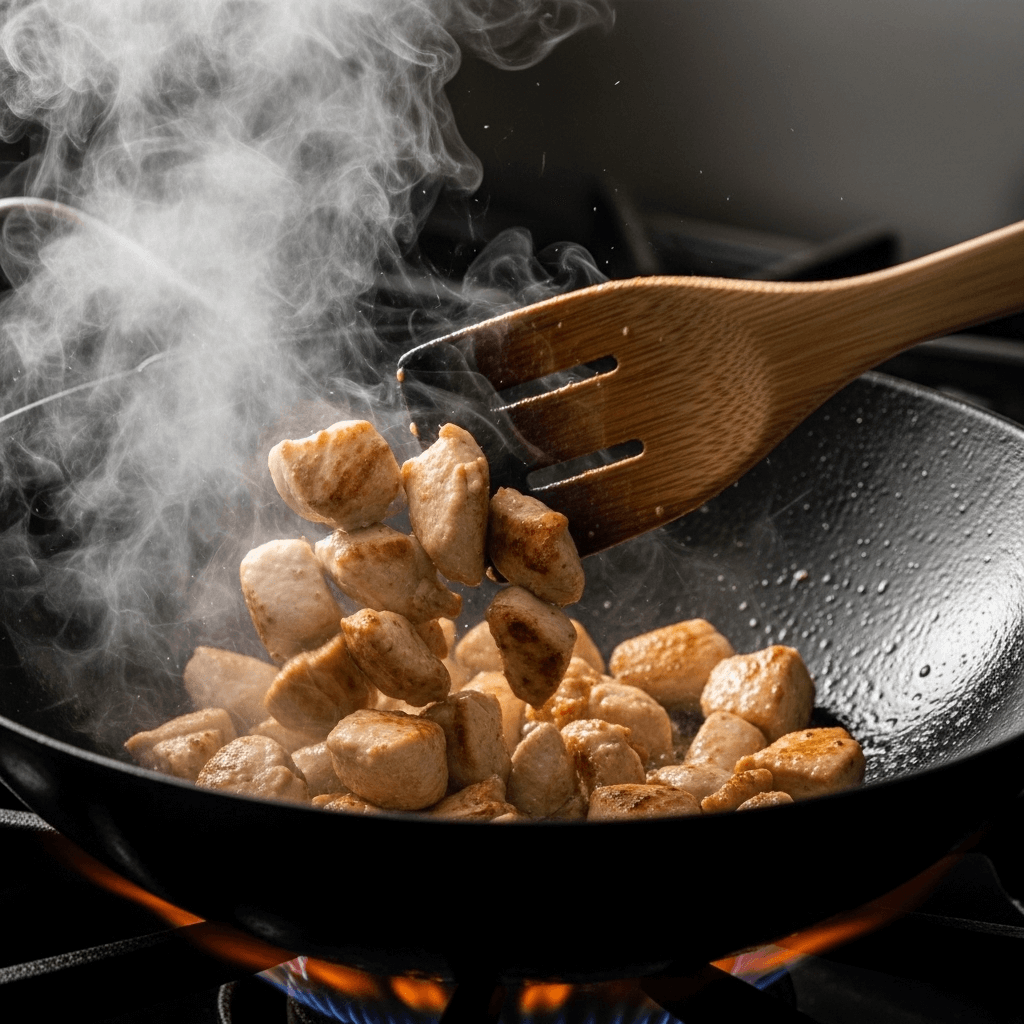
If you’ve been ordering takeout chicken fried rice and wondering if you could make it even better at home, the answer is a resounding yes! This easy chicken fried rice recipe delivers everything you love about restaurant-style fried rice—fluffy grains of rice, tender chunks of chicken, colorful vegetables, and that signature savory-sweet flavor—all ready in just 20 minutes. Unlike soggy, overly salty takeout versions, this homemade chicken fried rice gives you complete control over ingredients, freshness, and flavor intensity.
This quick chicken fried rice is perfect for busy weeknights when you need dinner on the table fast, meal prep Sundays when you want to prepare lunches for the week, or anytime you’re craving that satisfying combination of protein, vegetables, and carbs in one delicious bowl. It’s also the ultimate leftover transformer—turning yesterday’s plain rice and cooked chicken into something exciting and completely different. Whether you’re cooking for picky kids, feeding a crowd, or treating yourself to a solo dinner, this recipe consistently delivers restaurant-quality results with minimal effort. Plus, it’s incredibly versatile, adapting easily to whatever vegetables you have on hand or dietary preferences you need to accommodate.
History / Background
Fried rice has ancient roots dating back over 1,500 years to the Sui Dynasty in China (589-618 AD), originating in the city of Yangzhou. The dish was born from the practical Chinese philosophy of not wasting food—particularly leftover rice from previous meals. Chinese cooks discovered that day-old rice, which had dried out slightly in the refrigerator, actually fried better than fresh rice, creating distinct, separate grains instead of a mushy mess.
The technique of “chao fan” (stir-fried rice) spread throughout China and eventually across Asia, with each region developing its own distinctive style. Yangzhou fried rice, considered the most famous variety, traditionally includes shrimp, char siu (barbecued pork), and scrambled eggs. Cantonese fried rice features lap cheong (Chinese sausage), while Thai fried rice incorporates fish sauce and sometimes pineapple.
Fried rice came to America with Chinese immigrants during the 19th century Gold Rush and railroad construction era. As Chinese restaurants proliferated across the United States, fried rice became a menu staple—affordable, filling, and appealing to American palates. The “chicken fried rice” we know today emerged as restaurants adapted recipes to use ingredients more readily available and familiar to American diners.
Interestingly, chicken wasn’t traditionally the primary protein in Chinese fried rice—pork, shrimp, and eggs were more common. But in America, chicken’s popularity and affordability made it the go-to protein. American-Chinese restaurants perfected the version we love today: seasoned chicken pieces, scrambled eggs, peas, carrots, and green onions, all tossed with soy sauce and sesame oil.
Today, chicken fried rice represents one of the most beloved examples of Chinese-American cuisine—a dish that honors its cultural origins while adapting to new ingredients and tastes. Home cooks have embraced it not just for its delicious flavor, but for its incredible versatility and ability to use up leftovers creatively.
Why You’ll Love This Recipe
This isn’t just any chicken fried rice—it’s a carefully tested recipe that solves all the common problems home cooks encounter when trying to recreate takeout favorites. The rice comes out perfectly separated and fluffy, never mushy or clumpy. The chicken stays tender and flavorful, and every grain of rice gets coated with that irresistible savory-umami flavor that makes fried rice so addictive. Here’s why this recipe will become your new weeknight dinner hero:
- Ready in 20 minutes – Faster than ordering delivery and waiting for it to arrive
- One-pan meal – Everything cooks in a single wok or large skillet for minimal cleanup
- Leftover magic – Transforms day-old rice and cooked chicken into something spectacular
- Better than takeout – Fresher ingredients, less oil, and customizable to your taste
- Budget-friendly – Costs a fraction of restaurant prices using affordable ingredients
- Meal prep champion – Makes excellent leftovers that reheat beautifully for lunches
- Adaptable to your pantry – Use whatever vegetables you have on hand
- Kid-approved – Mild, familiar flavors that even picky eaters enjoy
- Protein-packed – Includes chicken and eggs for a satisfying, complete meal
- Customizable spice level – Easily adjust from mild to spicy based on preferences
Ingredient Notes
The secret to restaurant-quality fried rice lies in using the right ingredients and understanding why each one matters. Here’s your complete guide:
Day-Old Cooked Rice: This is absolutely crucial—the single most important ingredient for success. Day-old rice (refrigerated overnight) dries out slightly, allowing each grain to separate and fry properly. Fresh rice contains too much moisture and becomes mushy when fried. Use white rice (jasmine or long-grain) for authentic texture. Short-grain or sticky rice doesn’t work well. If you don’t have day-old rice, spread freshly cooked rice on a baking sheet and refrigerate for 1-2 hours to dry it out quickly.
Boneless, Skinless Chicken Breasts or Thighs: Either works beautifully. Breasts are leaner and slightly drier; thighs are juicier and more flavorful. Cut into small, bite-sized pieces (about ½-inch) for quick cooking and even distribution. You can also use leftover rotisserie chicken or pre-cooked chicken to save even more time—just add it at the end to heat through.
Eggs: Provide protein, richness, and those classic yellow ribbons throughout the rice. Scramble them separately before adding to the rice for the best texture and distribution.
Frozen Peas and Carrots: The classic vegetable combination in fried rice. Use frozen because they’re already sized perfectly and don’t need prep. Fresh works too but requires dicing small. Feel free to add other vegetables like corn, bell peppers, broccoli, or snap peas.
Soy Sauce: The primary seasoning that gives fried rice its signature savory flavor. Use regular soy sauce, not thick or sweet soy sauce. Low-sodium soy sauce gives you better control over saltiness. For gluten-free version, substitute with tamari or coconut aminos.
Sesame Oil: Just a small amount adds incredible nutty, toasted flavor that’s essential for authentic taste. Use toasted sesame oil, not regular sesame oil. It’s very potent—a little goes a long way.
Garlic and Ginger: Fresh is always best for maximum flavor impact. Minced garlic adds pungency while ginger provides aromatic warmth. Pre-minced jarred versions work in a pinch but lack the bright flavor of fresh.
Green Onions (Scallions): Add fresh, mild onion flavor and beautiful green color. Use both white and green parts—whites go in during cooking, greens added at the end for garnish.
Vegetable Oil: Needed for high-heat stir-frying. Use neutral oils with high smoke points like vegetable, canola, or peanut oil. Avoid olive oil which can’t handle the high heat required.
Oyster Sauce (Optional): Adds extra umami depth and slight sweetness. Not required but highly recommended for restaurant-quality flavor. It’s not fishy despite the name—it’s thick, savory, and slightly sweet.
Equipment Needed
Fried rice requires high heat and quick cooking, so having the right equipment makes all the difference:
- Large wok or 12-inch skillet – Essential for proper heat distribution and tossing rice without spilling; flat-bottomed woks work best on standard stoves
- Spatula or wooden spoon – For constant stirring and tossing; a flat-edged spatula works particularly well
- Small bowl – For beating eggs before scrambling
- Cutting board and sharp knife – For prepping chicken, garlic, ginger, and green onions
- Measuring cups and spoons – For accurate seasoning ratios
- Large plate or sheet pan – For holding cooked components before final assembly
- Rice paddle or fork – For breaking up clumps in day-old rice before cooking
Better Than Takeout Chicken Fried Rice Recipe: Quick, Easy, and Delicious
- Total Time: 20 minutes
- Yield: 4 servings 1x
- Diet: Vegetarian
Description
Restaurant-quality chicken fried rice made at home in just 20 minutes. Tender chicken, fluffy rice, scrambled eggs, and colorful vegetables come together in this easy one-pan meal that’s better than takeout.
Ingredients
Main Components:
- 4 cups cooked white rice, day-old and refrigerated
- 1 pound boneless, skinless chicken breast or thighs, cut into ½-inch pieces
- 3 large eggs, beaten
- 1 cup frozen peas and carrots
- 3 green onions, sliced (white and green parts separated)
- 3 cloves garlic, minced
- 1 tablespoon fresh ginger, minced
Sauces and Seasonings:
- 3 tablespoons soy sauce (regular or low-sodium)
- 1 tablespoon oyster sauce (optional but recommended)
- 2 teaspoons sesame oil
- ½ teaspoon white or black pepper
- 4 tablespoons vegetable oil, divided
- Salt to taste
Optional Garnishes:
- Additional sliced green onions
- Sesame seeds
- Sriracha or chili oil for heat
Instructions
- Prep the Rice: Remove day-old rice from refrigerator and break up any clumps with your hands or a fork. The grains should be separate and slightly dry. If using fresh rice, spread on a baking sheet and refrigerate for 1-2 hours first.
- Season the Chicken: In a bowl, toss chicken pieces with 1 tablespoon soy sauce and a pinch of pepper. Let sit while you prep other ingredients. This quick marinade adds flavor and helps the chicken stay tender.
- Mix the Sauce: In a small bowl, combine remaining 2 tablespoons soy sauce, oyster sauce, sesame oil, and white pepper. Stir well and set aside. Having your sauce pre-mixed allows you to add it quickly during the fast cooking process.
- Cook the Eggs: Heat wok or large skillet over medium-high heat. Add 1 tablespoon vegetable oil and swirl to coat. Pour in beaten eggs and scramble, breaking into small pieces as they cook. Cook until just set but still soft, about 1-2 minutes. Transfer to a plate and set aside.
- Cook the Chicken: Add 1 tablespoon oil to the same pan over high heat. Add chicken in a single layer and let it sit undisturbed for 1-2 minutes to get a nice sear. Then stir-fry for 3-4 minutes until cooked through and lightly golden. Transfer to the plate with eggs.
- Sauté Aromatics: Add another tablespoon of oil to the pan. Add minced garlic, ginger, and white parts of green onions. Stir-fry for 30 seconds until fragrant—watch carefully so garlic doesn’t burn.
- Cook Vegetables: Add frozen peas and carrots to the pan. Stir-fry for 2 minutes until heated through and any ice crystals have evaporated. If using fresh vegetables, cook until crisp-tender.
- Fry the Rice: Push vegetables to the side of the pan. Add remaining tablespoon of oil to the cleared space. Add the cold rice, breaking up any remaining clumps. Let it sit undisturbed for 1 minute to get some crispy bits, then stir-fry, tossing constantly and pressing rice against the hot pan to heat through, about 3-4 minutes.
- Combine Everything: Return chicken and eggs to the pan with the rice. Pour the sauce mixture over everything. Toss constantly for 1-2 minutes until everything is well combined, heated through, and evenly coated with sauce.
- Finish and Serve: Add green onion greens and toss once more. Taste and adjust seasoning with additional soy sauce or salt if needed. Serve immediately, garnished with extra green onions and sesame seeds if desired.
Notes
- Rice temperature: Cold, day-old rice works best. Never use warm or freshly cooked rice.
- High heat is essential: Keep heat on medium-high to high throughout cooking for proper frying texture.
- Work quickly: Have all ingredients prepped and ready before you start cooking—stir-frying moves fast.
- Customize vegetables: Use whatever you have—corn, bell peppers, broccoli, mushrooms, snap peas all work.
- Protein options: Substitute chicken with shrimp, pork, beef, tofu, or just use extra eggs for vegetarian version.
- Make it spicy: Add red pepper flakes while cooking or serve with sriracha on the side.
- Prep Time: 10 minutes
- Cook Time: 10 minutes
- Category: Main Dish
- Method: Stovetop
Nutrition
- Serving Size: About 1½ cups
- Calories: 445
- Sugar: 3g
- Sodium: 780mg
- Fat: 16g
- Saturated Fat: 3g
- Unsaturated Fat: 12g
- Trans Fat: 0g
- Carbohydrates: 48g
- Fiber: 3g
- Protein: 30g
- Cholesterol: 175mg
Tips & Variations
Protein Variations:
- Shrimp Fried Rice: Replace chicken with 1 pound peeled, deveined shrimp; cook for just 2-3 minutes
- Pork Fried Rice: Use diced pork tenderloin or leftover char siu (Chinese BBQ pork)
- Beef Fried Rice: Use thinly sliced flank steak or sirloin, marinated briefly in soy sauce
- Vegetarian: Omit chicken and add extra eggs, tofu, or more vegetables
- Combination: Use multiple proteins like chicken, shrimp, and pork for restaurant-style “house special”
Vegetable Additions:
- Diced bell peppers (any color) add sweetness and crunch
- Broccoli florets (blanched first) add nutrition and color
- Snap peas or snow peas provide crisp texture
- Corn kernels add natural sweetness
- Diced mushrooms (shiitake or button) add umami
- Baby spinach wilts in quickly at the end
- Bean sprouts add authentic crunch (add at the very end)
Flavor Twists:
- Kimchi Fried Rice: Add chopped kimchi and a bit of gochugaru (Korean chili flakes)
- Pineapple Fried Rice: Add diced fresh pineapple and cashews for Hawaiian-Thai fusion
- Curry Fried Rice: Stir in 1-2 teaspoons curry powder with the vegetables
- Garlic Lover’s: Double the garlic and add fried garlic chips as garnish
- Spicy Szechuan: Add chili oil, Szechuan peppercorns, and extra garlic
Healthier Modifications:
- Use brown rice instead of white (texture will be chewier)
- Reduce oil to 2 tablespoons total for lower fat content
- Use egg whites instead of whole eggs to reduce cholesterol
- Add extra vegetables and reduce rice portion for more nutrients
- Use low-sodium soy sauce or coconut aminos to reduce sodium
Pro Chef Tips
Day-Old Rice is Non-Negotiable: Fresh rice contains too much moisture and becomes gummy when fried. The refrigeration process (ideally overnight) dries out the rice grains, allowing them to separate and fry properly. If you must use fresh rice, spread it on a baking sheet and refrigerate for at least 1-2 hours before using.
High Heat is Your Friend: Fried rice requires high heat to achieve that characteristic “wok hei” (breath of the wok)—the slightly smoky, charred flavor that makes restaurant fried rice so distinctive. Don’t be afraid of high heat, but make sure your exhaust fan is running.
Don’t Overcrowd the Pan: If you’re doubling the recipe, cook in two batches or use two pans. Overcrowding lowers the temperature, causing ingredients to steam rather than fry. This is especially important for getting that crispy texture on the rice.
Press the Rice Against the Pan: While stir-frying, periodically press the rice against the hot surface of the pan with your spatula and let it sit for 10-15 seconds. This creates delicious crispy bits that add texture and flavor—the best parts of fried rice.
Season in Layers: Season the chicken when you cook it, add sauce to the rice, then taste and adjust at the end. Building flavor in stages creates more complex, well-rounded taste than adding all seasoning at once.
Keep Ingredients Moving: Once you start the actual stir-frying, keep everything in constant motion. This prevents burning and ensures even cooking and coating with sauce. Work quickly and decisively.
Add Green Onions at Two Stages: Cook the white parts with aromatics for flavor throughout, then add green parts at the end for fresh color and mild onion bite. This technique gives you both cooked onion flavor and fresh garnish appeal.
Common Mistakes to Avoid
Mistake #1: Using Fresh, Warm Rice – This is the number one reason home-cooked fried rice fails. Fresh rice is too moist and sticky, resulting in clumpy, mushy fried rice no matter how much you stir. Always use day-old, refrigerated rice that’s had time to dry out. No exceptions to this rule if you want restaurant-quality results.
Mistake #2: Cooking Over Too-Low Heat – Medium heat might seem safer, but it causes ingredients to steam and become soggy rather than fry and develop flavor. Fried rice needs high heat to achieve proper texture and that characteristic slightly smoky flavor. Keep your heat on medium-high to high throughout the cooking process.
Mistake #3: Adding Sauce Too Early or Too Much – Pouring sauce directly onto cold rice before frying makes the rice absorb too much liquid and become mushy. Always fry the rice first to heat it through and dry it out slightly, then add sauce near the end. Start with less sauce than you think you need—you can always add more.
Mistake #4: Not Prepping All Ingredients First – Stir-frying happens incredibly fast—we’re talking minutes, not long enough to chop something mid-cooking. If you’re scrambling to prep ingredients while cooking, something will burn. Have everything measured, chopped, and ready to go before you heat the pan.
Mistake #5: Stirring Constantly Without Letting Rice Sit – While you need to keep things moving overall, rice needs occasional contact with the hot pan surface to develop crispy bits and proper texture. If you stir non-stop, the rice never gets hot enough to fry properly. Let it sit on the heat for 10-15 seconds between stirs.
Storage & Meal Prep
Refrigerator Storage: Let fried rice cool to room temperature (within 2 hours of cooking for food safety), then transfer to airtight containers. Properly stored, chicken fried rice keeps for 3-4 days in the refrigerator. Separate into individual portions for easy grab-and-go lunches throughout the week.
Reheating from Refrigerator: The best reheating method is in a skillet or wok over medium-high heat with a splash of water or oil, stirring frequently until heated through (about 3-4 minutes). This method restores some of the fried texture. Microwave works too—heat on high for 1-2 minutes, stirring halfway through, adding a tablespoon of water if it seems dry.
Meal Prep Strategy: Fried rice is ideal for meal prepping. Make a large batch on Sunday and portion into containers for weekday lunches. The flavors actually improve after a day as they meld together. You can also prep components separately—cook rice 1-2 days ahead, prepare chicken ahead, and chop vegetables in advance—then stir-fry everything together when ready to eat.
Maintaining Texture: Fried rice does lose some crispiness when stored, but proper reheating in a hot pan helps restore texture. Avoid reheating multiple times, which dries it out. Only reheat the portion you’ll eat.
Food Safety Note: Never leave fried rice at room temperature for more than 2 hours. Rice is particularly susceptible to Bacillus cereus bacteria growth when left at room temperature, which can cause food poisoning.
Make-Ahead & Freezer Notes
Pre-Cook the Rice: The biggest make-ahead step is cooking rice 1-2 days in advance. In fact, this isn’t just make-ahead—it’s required! Cook a large batch of rice, spread it on baking sheets to cool quickly, then refrigerate. This actually improves your final results.
Prep Ingredients in Advance: Chop chicken and vegetables up to 1 day ahead and store separately in the refrigerator. Mince garlic and ginger and keep in small containers. Having everything prepped means you can cook fried rice in literally 10 minutes.
Freezing Cooked Fried Rice: Fried rice freezes surprisingly well for up to 3 months. Let it cool completely, portion into freezer-safe containers or bags (removing as much air as possible), label with date, and freeze. Flatten bags for faster freezing and thawing.
Thawing and Reheating Frozen: For best results, thaw overnight in the refrigerator, then reheat in a skillet with a splash of oil over medium-high heat. You can also microwave from frozen—heat on 50% power for 5-7 minutes, stirring every 2 minutes, until heated through. The texture won’t be quite as good as fresh, but it’s still delicious and convenient.
Freezing Components Separately: For ultimate flexibility, freeze cooked chicken and rice separately. Thaw and stir-fry with fresh vegetables for the best texture and flavor.
Serving Suggestions
Chicken fried rice is a complete meal on its own, but here are ways to round out your dinner or create a full Chinese-American feast:
Protein Additions: While fried rice contains chicken, add extra protein with egg rolls, spring rolls, dumplings (pot stickers), or chicken wings for a restaurant-style spread.
Vegetable Sides: Serve alongside stir-fried green beans, garlic bok choy, broccoli with oyster sauce, or mixed vegetable stir-fry to boost nutrition and add variety.
Soup Pairings: Start the meal with hot and sour soup, egg drop soup, or wonton soup for an authentic Chinese restaurant experience.
Appetizers: Include crab rangoon, edamame, steamed dumplings, or cucumber salad as starters.
Sauce Options: Offer sriracha, sweet chili sauce, soy sauce, or chili oil on the side for customizing spice levels.
Beverage Pairings: Serve with iced green tea, hot jasmine tea, lemonade, or beer (Tsingtao for authenticity). For kids, fruit juice or milk works well.
Create a Rice Bowl Bar: Set out fried rice with various toppings like extra green onions, sesame seeds, crispy fried onions, sriracha, soy sauce, and lime wedges. Let everyone customize their bowl.
FAQs Section
Q: Can I use brown rice instead of white rice?
A: Yes, but the texture will be different—chewier and less fluffy. Brown rice takes longer to cook initially and requires even more drying time (ideally 2 days refrigerated). It won’t have the same light, fluffy texture as white rice fried rice, but it’s more nutritious and still delicious.
Q: What kind of rice works best for fried rice?
A: Long-grain white rice (jasmine or regular long-grain) works best because the grains separate easily and don’t become sticky. Jasmine rice adds subtle fragrance. Avoid short-grain, sushi rice, or sticky rice varieties, which stay too sticky for proper fried rice texture.
Q: Can I make fried rice without day-old rice?
A: In a pinch, yes, but it’s not ideal. Cook rice, spread it on baking sheets in a thin layer, and refrigerate uncovered for 1-2 hours minimum to dry it out. Use your hands to separate and break up clumps before cooking. It won’t be quite as good as true day-old rice but will work acceptably.
Q: Why does my fried rice come out mushy?
A: Mushy fried rice results from using fresh or warm rice (too much moisture), cooking over too-low heat (steaming instead of frying), or adding too much sauce. Always use cold, day-old rice, cook over high heat, and add sauce sparingly near the end of cooking.
Q: Can I make this vegetarian or vegan?
A: Absolutely! Omit the chicken and use extra eggs (for vegetarian) or omit eggs too and use tofu or extra vegetables (for vegan). Replace oyster sauce with mushroom sauce or hoisin sauce. Add cashews or edamame for extra protein.
Q: How do I get that smoky restaurant flavor?
A: That’s called “wok hei” (breath of the wok) and comes from cooking over extremely high heat in a well-seasoned wok. At home, use the highest heat your stove allows, let ingredients sit on the pan briefly to char slightly, and consider adding a tiny bit of smoked paprika or liquid smoke if you really want that flavor.
Q: What’s the difference between fried rice and Chinese fried rice?
A: “Fried rice” is the general term for the dish. “Chinese fried rice” typically refers to more authentic Chinese preparations using traditional ingredients and techniques. American-Chinese fried rice (like this recipe) tends to include ingredients familiar to Western palates and may be slightly sweeter and less complex than authentic Chinese versions.
Conclusion
And there you have it—everything you need to make absolutely delicious, restaurant-quality chicken fried rice right in your own kitchen! This recipe proves that takeout-style cooking isn’t mysterious or complicated; with the right techniques and ingredients, you can create better-tasting fried rice faster and cheaper than ordering delivery. The key is using day-old rice, cooking over high heat, and moving quickly through the process.
The beauty of this chicken fried rice recipe is its incredible versatility. Once you master the basic technique, you can customize it endlessly with different proteins, vegetables, and seasonings. It’s the ultimate clean-out-the-fridge meal that transforms leftovers into something exciting and satisfying. Whether you’re feeding your family on a busy Tuesday or meal-prepping lunches for the week, this recipe delivers consistent, crowd-pleasing results every single time.
I’d love to hear how your chicken fried rice turned out! Did you add any creative mix-ins or try one of the variations? What’s your favorite way to customize fried rice? Drop a comment below and share your experience—I always enjoy hearing from fellow home cooks and learning about your adaptations!
If this recipe saved your weeknight dinner or helped you kick your takeout habit, please share it with friends who need quick, delicious meal ideas, and don’t forget to pin it to your favorite Pinterest boards using #ChickenFriedRice. Let’s help more home cooks discover just how easy it is to make better-than-takeout fried rice at home!
Happy cooking, and may your fried rice always be fluffy, flavorful, and absolutely delicious!