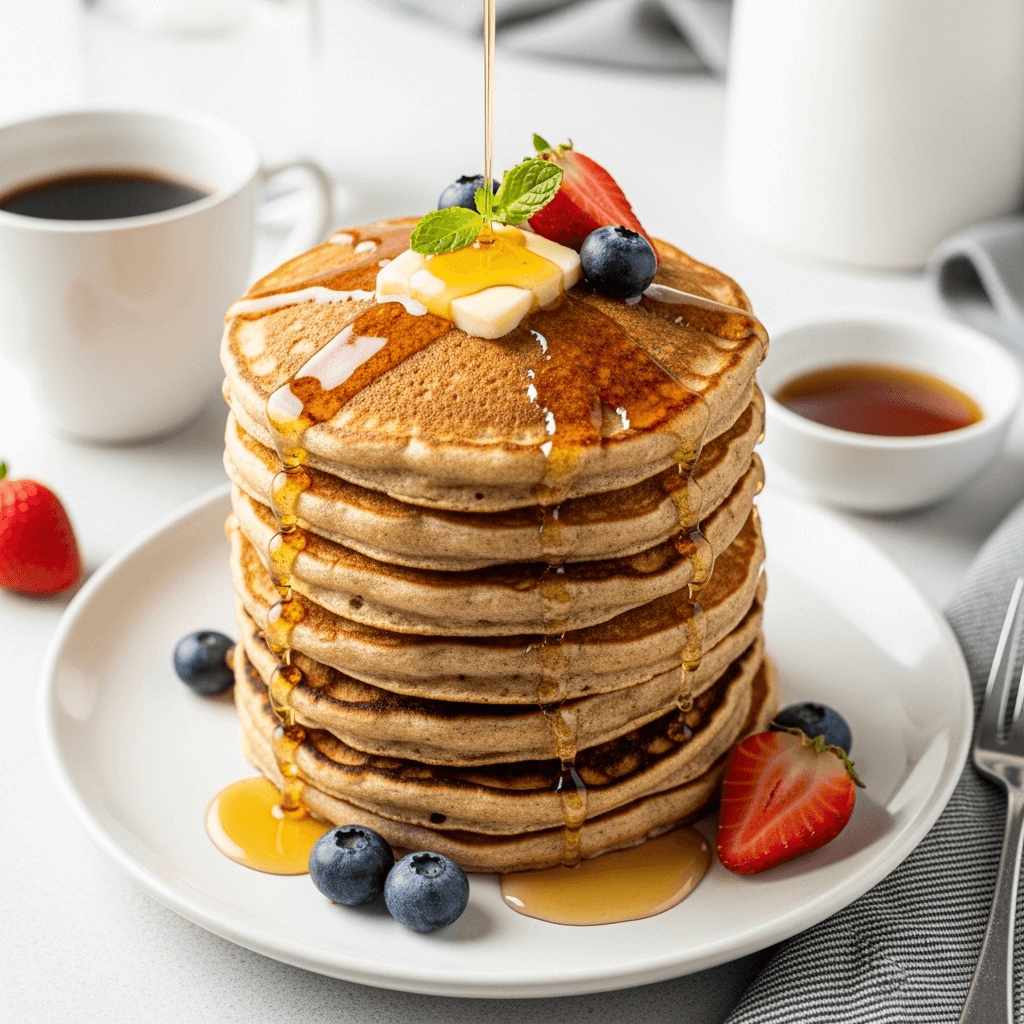

There’s something absolutely magical about fluffy oatmeal pancakes that makes breakfast feel extra special while keeping things wholesome and nutritious. These aren’t your ordinary pancakes—they’re packed with hearty oats, naturally sweet, and incredibly satisfying. Whether you’re looking for a healthier pancake alternative, need a gluten-free breakfast option, or simply want to start your day with whole grains, this easy oatmeal pancake recipe delivers on all fronts.
What makes these homemade oatmeal pancakes truly remarkable is their tender, fluffy texture combined with a subtle nutty flavor from the oats. They’re not dense or heavy like you might expect—instead, they’re light, airy, and melt-in-your-mouth delicious. The oats add a wonderful heartiness that keeps you full and energized throughout the morning, making them perfect for busy weekdays, lazy weekend brunches, or special family breakfasts.
These healthy oatmeal pancakes are incredibly versatile, too. Serve them for a cozy Saturday morning breakfast with the family, whip them up for a special Mother’s Day or birthday brunch, pack them in lunchboxes for a nutritious snack, or meal prep them for grab-and-go breakfasts throughout the week. Top them with fresh berries, drizzle with pure maple syrup, add a dollop of Greek yogurt, or spread with almond butter—however you serve them, they’re guaranteed to become a breakfast staple in your home.
History / Background
The evolution of oatmeal pancakes represents a beautiful marriage between traditional pancake-making and the growing awareness of whole grain nutrition that began gaining momentum in the late 20th century. While pancakes themselves have ancient origins dating back to prehistoric times when humans first ground grains and mixed them with water, the specific incorporation of oats into pancake batter is a more modern innovation rooted in health-conscious cooking.
Oats have been cultivated for thousands of years, originating in the Fertile Crescent and becoming a staple crop in Scotland, Ireland, and other parts of Northern Europe where the cool, moist climate was perfect for growing this hearty grain. Scottish oatcakes and porridge became legendary, but it wasn’t until the 20th century that oats made their way into American pancake recipes in a significant way.
The rise of oatmeal pancakes in American kitchens can be traced to several key factors. First, the health food movement of the 1960s and 1970s brought increased attention to whole grains and their nutritional benefits. Oats, rich in fiber, protein, and heart-healthy nutrients, became recognized as a superfood. Second, the need for gluten-free alternatives grew as celiac disease and gluten sensitivity gained medical recognition in the 1980s and 1990s. Oat-based recipes provided a naturally gluten-free option (when using certified gluten-free oats) that didn’t sacrifice flavor or texture.
The modern oatmeal pancake recipe as we know it gained tremendous popularity in the 2000s with the rise of food blogs, Pinterest, and health-conscious cooking communities. Home cooks began experimenting with grinding oats into flour using blenders, creating pancakes that were both nutritious and delicious. The beauty of this recipe lies in its simplicity—no specialty flours required, just everyday rolled oats transformed into a fine flour that produces remarkably fluffy pancakes.
Today, oatmeal pancakes represent the perfect intersection of nostalgia and modern nutrition awareness. They honor the pancake traditions passed down through generations while adapting to our contemporary understanding of healthy eating. They’ve become particularly beloved among families seeking to provide wholesome breakfasts, fitness enthusiasts needing sustained energy, and anyone who wants to feel good about what they’re eating without sacrificing the joy of a classic comfort food.
Why You’ll Love This Recipe
These fluffy oatmeal pancakes are about to revolutionize your breakfast routine! They combine everything you love about classic pancakes with the nutritional benefits of whole grain oats, creating a breakfast that’s both indulgent and nourishing. The best part? They’re incredibly easy to make and use simple ingredients you likely already have in your pantry.
Here’s why this oatmeal pancake recipe will become your new breakfast favorite:
- Naturally Wholesome – Packed with whole grain oats that provide fiber, protein, and lasting energy
- Quick and Easy – Ready in just 20 minutes from start to finish, perfect for busy mornings
- Budget-Friendly – Uses affordable, everyday ingredients that won’t break the bank
- Family-Approved – Kids and adults alike love the fluffy texture and subtly sweet flavor
- Gluten-Free Option – Naturally gluten-free when made with certified gluten-free oats
- Meal Prep Friendly – Freezes beautifully for make-ahead breakfasts throughout the week
- Customizable – Endless options for mix-ins, toppings, and flavor variations
- Keeps You Full – The fiber and protein from oats provide sustained energy until lunch
- No Special Equipment – Just a blender to make oat flour and a griddle or skillet
- Healthier Alternative – More nutritious than traditional white flour pancakes without sacrificing taste
- Dairy-Free Adaptable – Easy to make with plant-based milk and dairy-free alternatives
- Perfect Texture – Light, fluffy, and tender—everything a pancake should be
Ingredient Notes
Every ingredient in these healthy oatmeal pancakes serves an important purpose in creating that perfect fluffy texture and delicious flavor. Let’s break down what you’ll need and why each component matters.
Old-Fashioned Rolled Oats – The star of the show! Use old-fashioned rolled oats (not instant or steel-cut) for the best texture. You’ll blend these into a fine flour that forms the base of your pancakes. Rolled oats provide fiber, protein, and a subtle nutty flavor. For gluten-free pancakes, use certified gluten-free oats to avoid cross-contamination. Don’t substitute with oat flour from the store—freshly ground oats create better texture.
Milk – Any milk works beautifully here—whole milk, 2%, skim, almond milk, oat milk, soy milk, or coconut milk. The milk activates the baking powder, adds moisture, and helps create tender pancakes. For richer pancakes, use whole milk or buttermilk. For dairy-free, any plant-based milk substitute works perfectly.
Eggs – Essential for structure and fluffiness. Eggs bind the ingredients together, add richness, and help the pancakes rise. For best results, use large eggs at room temperature—they incorporate more easily. For vegan pancakes, you can substitute with flax eggs (1 tablespoon ground flaxseed + 3 tablespoons water per egg, let sit 5 minutes).
Banana – This is the secret ingredient that makes these pancakes naturally sweet and incredibly moist! The ripe banana adds natural sweetness, reduces the need for added sugar, and helps bind everything together. Use a very ripe banana with brown spots for maximum sweetness. If you don’t like banana flavor, you can substitute with unsweetened applesauce.
Maple Syrup or Honey – Just a touch of sweetener in the batter enhances flavor without making the pancakes overly sweet. Pure maple syrup adds a subtle maple note, while honey provides floral sweetness. You can also use agave nectar or even omit if your banana is very ripe.
Baking Powder – This is what makes your pancakes rise and become fluffy. Make sure your baking powder is fresh (check the expiration date) for the best rise. Baking powder reacts with the liquid ingredients to create bubbles that make pancakes light and airy.
Vanilla Extract – A splash of pure vanilla extract adds warmth and depth of flavor. It’s a small amount but makes a noticeable difference in the overall taste. Use real vanilla extract rather than imitation for the best flavor.
Salt – Don’t skip the salt! It balances the sweetness and enhances all the other flavors. Just a pinch makes a big difference.
Cinnamon – Optional but highly recommended! Ground cinnamon adds cozy warmth and pairs beautifully with the oats and banana. It’s a classic breakfast spice that makes your kitchen smell amazing.
Butter or Oil – For cooking the pancakes. Butter adds rich flavor, while coconut oil or neutral oil works for dairy-free needs. You just need a light coating on your griddle or skillet.
Equipment Needed
You don’t need a lot of fancy equipment to make perfect fluffy oatmeal pancakes—just a few basic kitchen tools that you probably already own:
- High-Speed Blender or Food Processor – Essential for grinding the oats into flour and blending the batter. A powerful blender works best for creating smooth, fine oat flour.
- Large Mixing Bowl – If you prefer mixing by hand after grinding oats separately
- Measuring Cups and Spoons – For accurate measurements
- Griddle or Large Non-Stick Skillet – A griddle is ideal for making multiple pancakes at once, but a large skillet works perfectly too
- Spatula – A thin, wide spatula makes flipping pancakes easy and prevents breaking
- Ladle or 1/4 Cup Measuring Cup – For portioning batter evenly
- Whisk or Fork – If mixing ingredients by hand
- Small Bowl – For mashing banana if not using a blender
- Cooking Spray or Pastry Brush – For greasing the cooking surface
Oatmeal Pancakes Recipe
- Total Time: 20 minutes
- Yield: 8-10 pancakes (4 servings) 1x
- Diet: Gluten Free
Description
hese fluffy oatmeal pancakes are naturally sweetened, incredibly healthy, and absolutely delicious! Made with whole grain oats, ripe banana, and simple ingredients, they’re the perfect wholesome breakfast that keeps you satisfied all morning.
Ingredients
- 2 cups old-fashioned rolled oats (use certified gluten-free if needed)
- 2 large eggs, at room temperature
- 1 ripe banana (the riper, the better)
- 1 cup milk (dairy or non-dairy)
- 2 tablespoons pure maple syrup or honey
- 1 tablespoon baking powder
- 1 teaspoon vanilla extract
- 1/2 teaspoon ground cinnamon
- 1/4 teaspoon salt
- Butter or oil for cooking
Instructions
- Prepare the Oat Flour: Add the rolled oats to your blender or food processor. Blend on high speed for about 30-60 seconds until the oats are ground into a fine flour consistency. The finer the better for fluffy pancakes.
- Blend the Batter: To the oat flour in the blender, add eggs, banana (broken into chunks), milk, maple syrup, baking powder, vanilla extract, cinnamon, and salt. Blend on medium-high speed for 30-45 seconds until completely smooth and well combined. The batter should be pourable but still thick—similar to traditional pancake batter.
- Rest the Batter: Let the batter rest for 5 minutes. This allows the oat flour to absorb the liquid and the baking powder to activate, resulting in fluffier pancakes. You’ll notice the batter thickens slightly during this time.
- Preheat Your Cooking Surface: Heat a griddle or large non-stick skillet over medium heat (about 325°F if your griddle has temperature control). Lightly grease with butter or oil. The pan is ready when a drop of water sizzles on contact.
- Pour the Pancakes: Using a 1/4 cup measure or ladle, pour batter onto the hot griddle, spacing pancakes about 2 inches apart. Don’t spread the batter—let it naturally form round circles.
- Watch for Bubbles: Cook for 2-3 minutes until bubbles form on the surface and the edges look set and slightly dry. The bottom should be golden brown.
- Flip Carefully: Using a thin spatula, gently flip each pancake. Cook for another 1-2 minutes until the second side is golden brown and the pancake is cooked through.
- Keep Warm: Transfer cooked pancakes to a plate and cover with foil to keep warm, or place in a 200°F oven on a baking sheet while you finish cooking the remaining batter.
- Adjust Heat as Needed: If pancakes are browning too quickly, reduce heat slightly. If they’re taking too long to cook, increase heat a bit.
- Serve Immediately: Serve your fluffy oatmeal pancakes warm with your favorite toppings—fresh fruit, maple syrup, nut butter, Greek yogurt, or a dusting of powdered sugar!
Notes
- For thicker pancakes, use slightly less milk. For thinner pancakes, add 1-2 tablespoons more milk.
- Don’t overmix if combining ingredients by hand—a few lumps are okay.
- The batter will thicken as it sits. If needed, thin with a tablespoon of milk before cooking later batches.
- These pancakes cook faster than traditional flour pancakes, so watch them carefully.
- For vegan pancakes, use plant-based milk and replace eggs with flax eggs.
- Add-ins like chocolate chips or blueberries should be sprinkled on after pouring batter onto the griddle.
- Prep Time: 10 minutes
- Cook Time: 10 minutes
- Category: Breakfast
- Method: Stovetop
- Cuisine: American
Nutrition
- Serving Size: 2-3 pancakes (1/4 of recipe)
- Calories: 285
- Sugar: 12g
- Sodium: 320mg
- Fat: 7g
- Saturated Fat: 2g
- Unsaturated Fat: 4g
- Trans Fat: 0g
- Carbohydrates: 45g
- Fiber: 6g
- Protein: 11g
- Cholesterol: 95mg
Tips & Variations
Flavor Variations:
- Blueberry Oatmeal Pancakes: Gently fold 1 cup fresh or frozen blueberries into the batter, or sprinkle on the griddle after pouring
- Chocolate Chip Pancakes: Add 1/2 cup mini chocolate chips for a special treat
- Apple Cinnamon: Fold in 1/2 cup finely diced apples and increase cinnamon to 1 teaspoon
- Pumpkin Spice: Replace banana with 1/2 cup pumpkin puree and add 1 teaspoon pumpkin pie spice
- Banana Nut: Fold in 1/2 cup chopped walnuts or pecans for extra crunch and healthy fats
Dietary Adaptations:
- Vegan Oatmeal Pancakes: Use plant-based milk, replace eggs with 2 flax eggs, and use maple syrup instead of honey
- Sugar-Free: Omit the maple syrup and rely on the banana’s natural sweetness, or use sugar-free syrup
- Protein-Packed: Add 1 scoop vanilla protein powder and reduce oats by 1/4 cup
- Lower Calorie: Use unsweetened almond milk and reduce or omit the maple syrup in the batter
Texture Modifications:
- Extra Fluffy: Separate eggs, beat whites until stiff peaks form, then gently fold into batter
- Heartier Texture: Leave some oats coarsely ground for a more rustic, textured pancake
- Thinner Pancakes: Add an extra 2-4 tablespoons of milk for crepe-style oatmeal pancakes
Mix-In Ideas:
- Fresh or frozen berries (blueberries, raspberries, sliced strawberries)
- Chopped nuts (walnuts, pecans, almonds)
- Seeds (chia seeds, hemp hearts, ground flaxseed)
- Shredded coconut
- Mini chocolate chips or cacao nibs
- Dried fruit (raisins, cranberries, chopped dates)
Pro Chef Tips
Blend Oats to the Right Consistency: The key to fluffy oatmeal pancakes is grinding your oats into a very fine flour. If the oats are too coarse, your pancakes will be dense and grainy. Blend for a full 30-60 seconds until the oats look like fine powder. Run your fingers through the oat flour—it should feel like regular flour, not like coarse meal.
Don’t Skip the Resting Time: Allowing the batter to rest for 5 minutes is crucial. During this time, the oat flour absorbs the liquid, the gluten-free batter hydrates properly, and the baking powder begins its chemical reaction. This short rest results in significantly fluffier pancakes with better texture.
Perfect Your Pan Temperature: Medium heat is your sweet spot—about 325°F if you have a temperature-controlled griddle. Too hot and the pancakes will burn on the outside while staying raw inside. Too cool and they’ll be pale and dense. The water droplet test is reliable: when a drop of water sizzles and dances on the surface, you’re ready to cook.
Master the Flip: Wait for those telltale signs before flipping—bubbles forming throughout the surface and edges that look dry and set. These visual cues mean the pancake is structurally ready to flip without falling apart. Use a thin, wide spatula and flip with confidence in one smooth motion. Hesitation leads to broken pancakes.
Keep Pancakes Warm Without Drying Out: If making a large batch, preheat your oven to 200°F and place finished pancakes on a baking sheet in a single layer. Cover loosely with foil to keep them warm and prevent drying out. This technique ensures everyone can eat hot pancakes together rather than serving them as they come off the griddle.
Use Room Temperature Ingredients: Room temperature eggs and milk blend more smoothly and create better texture. Cold ingredients can cause the batter to seize up and won’t incorporate as evenly. Take eggs and milk out of the refrigerator 20-30 minutes before making pancakes.
Don’t Press Down: It’s tempting to press pancakes with your spatula while cooking, but resist! Pressing releases the air bubbles that make pancakes fluffy, resulting in dense, flat pancakes. Let them cook undisturbed except for the flip.
Common Mistakes to Avoid
Over-Blending the Batter: While you want the oat flour finely ground, once you add the other ingredients, blend just until combined. Over-blending develops too much structure in the batter and can create tough, rubbery pancakes. 30-45 seconds after adding wet ingredients is plenty. The batter should be smooth but shouldn’t be blended for minutes.
Using Instant Oats or Steel-Cut Oats: These varieties don’t work for this recipe. Instant oats are too fine and processed, creating gummy pancakes. Steel-cut oats are too coarse and won’t blend into proper flour, resulting in dense, grainy pancakes. Only old-fashioned rolled oats create the right texture. This is the most common substitution mistake that leads to disappointment.
Cooking on Too High Heat: High heat is the enemy of evenly cooked pancakes. Your pancakes will develop a dark, almost burnt exterior while the interior remains undercooked and doughy. Medium heat allows the pancakes to cook through evenly, developing a beautiful golden-brown exterior with a fully cooked, fluffy interior. Be patient—good pancakes can’t be rushed.
Flipping Too Early: Flipping before the pancake is ready causes it to tear, fall apart, or end up lopsided and undercooked. Wait for bubbles to form across the entire surface and for the edges to look dry and set before attempting to flip. This usually takes 2-3 minutes for the first side. Premature flipping is the most common reason for broken, ugly pancakes.
Using Unripe Bananas: The banana provides natural sweetness and moisture, but an unripe (green or barely yellow) banana won’t deliver either. It will taste starchy and bland rather than sweet, and your pancakes will need additional sweetener. Always use very ripe bananas with brown spots for the best flavor and natural sweetness. The riper, the better!
Not Greasing the Pan Properly: Even with non-stick surfaces, you need a light coating of butter or oil between batches. As you cook multiple pancakes, the coating wears off, and pancakes will stick or cook unevenly. A quick swipe with a buttered paper towel or a light spray of cooking oil between batches prevents sticking and ensures even browning.
Storage & Meal Prep
Refrigerator Storage: Store leftover oatmeal pancakes in an airtight container with parchment paper between layers to prevent sticking. They’ll keep fresh in the refrigerator for up to 5 days. Make sure the pancakes are completely cooled before storing to prevent condensation, which can make them soggy. Stack with care to maintain their fluffy texture.
Reheating from Refrigerated: For the best texture, reheat pancakes in a toaster or toaster oven until warmed through and slightly crispy on the edges. This takes about 2-3 minutes and refreshes the texture beautifully. Alternatively, microwave on a microwave-safe plate for 20-30 seconds, though this method can make them slightly softer. For multiple pancakes, warm in a 300°F oven for 5-7 minutes.
Meal Prep Strategy: These healthy oatmeal pancakes are absolutely perfect for meal prep! Make a double or triple batch on Sunday and store them properly for quick breakfasts all week long. You can portion them into individual servings in small containers or bags for grab-and-go convenience. Pair each serving with a small container of maple syrup or nut butter for a complete portable breakfast.
Freezer Storage (Highly Recommended): Oatmeal pancakes freeze exceptionally well! Let pancakes cool completely, then place them in a single layer on a baking sheet and freeze for 1-2 hours until solid (this prevents them from sticking together). Once frozen, transfer to a freezer-safe bag or container with parchment paper between layers. They’ll keep beautifully for up to 3 months.
Reheating from Frozen: The beauty of frozen pancakes is that you can reheat them directly from frozen—no thawing required! Pop them in the toaster for 3-4 minutes for the quickest method, or warm in a 350°F oven for 8-10 minutes. Microwave is also an option: heat for 45-60 seconds, flipping halfway through. The toaster method yields the best texture, making them taste freshly made.
Batch Cooking Tips: When making pancakes specifically for meal prep or freezing, slightly undercook them by 30 seconds per side. They’ll finish cooking when reheated and won’t dry out. Cool them on wire racks rather than stacked to prevent steam buildup, which can make them soggy.
Packing for School or Work Lunches: These pancakes make excellent additions to lunch boxes! Pack cooled pancakes with a small container of maple syrup or honey for dipping, add fresh fruit on the side, and include a protein source like hard-boiled eggs or yogurt for a balanced meal. They’re much healthier than packaged snacks and kids love them.
Make-Ahead & Freezer Notes
Batter Make-Ahead (Limited): Oatmeal pancake batter can be prepared the night before and stored covered in the refrigerator, but with some caveats. The batter will thicken considerably overnight as the oats absorb liquid. You’ll need to thin it with 2-4 tablespoons of milk before cooking, and the pancakes may not be quite as fluffy as freshly made batter. For best results, make the batter fresh, but if you’re truly pressed for time, overnight batter can work in a pinch.
Dry Mix Preparation: For ultimate make-ahead convenience, pre-grind your oats and measure them with the baking powder, cinnamon, and salt into a jar or container. Store at room temperature for up to 2 weeks or in the freezer for up to 3 months. When ready to make pancakes, just add the dry mix to your blender with the wet ingredients. This cuts prep time significantly on busy mornings.
Cooked Pancakes Freezing (Best Method): As mentioned in the storage section, freezing cooked pancakes is absolutely the best make-ahead strategy. They reheat perfectly, taste fresh, and provide instant homemade breakfasts. Stack with parchment paper between each pancake, place in freezer bags, and label with the date. This method is far superior to freezing batter.
Portion Control for Freezing: For maximum flexibility, freeze pancakes in the serving sizes your family typically uses. If you have young children who eat 1-2 pancakes, freeze them in packages of 2. If you have teenagers who devour 4-5, make larger packages. This prevents waste and makes mornings even easier.
Thawing (If Desired): While you can reheat directly from frozen, if you prefer to thaw first, transfer frozen pancakes to the refrigerator the night before. Thawed pancakes reheat more quickly and evenly. However, reheating from frozen works so well that thawing is completely optional.
Freezing with Mix-Ins: Pancakes with mix-ins like blueberries, chocolate chips, or nuts freeze just as well as plain ones. The add-ins maintain their taste and texture through freezing and reheating. Fruit-filled pancakes might release a bit more moisture when reheated, so the toaster method works particularly well for these.
Serving Suggestions
Classic Toppings:
- Pure maple syrup or honey drizzled generously over the stack
- Pat of butter melting between each pancake layer
- Fresh berries—strawberries, blueberries, raspberries, or blackberries
- Sliced bananas or caramelized bananas
- Dusting of powdered sugar for a pretty presentation
- Dollop of whipped cream for special occasions
Healthy Toppings:
- Plain or vanilla Greek yogurt for extra protein
- Almond butter, peanut butter, or cashew butter
- Fresh fruit compote made from simmered berries
- Chia seed jam with no added sugar
- Sliced almonds, pecans, or walnuts for healthy fats
- Hemp hearts or ground flaxseed for omega-3s
- Coconut flakes (toasted for extra flavor)
- A drizzle of tahini for unique nutty richness
Indulgent Variations:
- Nutella or chocolate hazelnut spread
- Cream cheese frosting for a special birthday breakfast
- Caramel sauce and chopped pecans
- Lemon curd and fresh whipped cream
- Cookie butter spread
- Chocolate chips or chocolate syrup
- Marshmallow fluff for kids’ special treats
Protein-Packed Pairings:
- Crispy bacon strips or turkey bacon
- Breakfast sausage links or patties
- Scrambled eggs or fried eggs
- Canadian bacon or ham
- Smoked salmon for a savory twist
- Turkey sausage for a leaner option
Complete Breakfast Plates:
- Serve pancakes alongside fresh fruit salad with melon, grapes, and pineapple
- Add a side of crispy hash browns or breakfast potatoes
- Include yogurt parfaits with granola for a balanced meal
- Pair with green smoothies packed with spinach and fruit
- Offer orange juice, fresh-squeezed if possible
Beverage Pairings:
- Freshly brewed coffee or cappuccino for adults
- Hot chocolate for kids and chocolate lovers
- Fresh orange juice or grapefruit juice
- Green smoothies or protein smoothies
- Herbal tea like chamomile or mint
- Cold milk (dairy or non-dairy)
Creative Serving Ideas:
- Make pancake “sandwiches” with nut butter and banana slices between two pancakes
- Cut into shapes with cookie cutters for kids’ parties
- Create pancake kabobs by threading pancake quarters with fruit on skewers
- Serve with a DIY topping bar for brunch parties
- Make pancake breakfast tacos with scrambled eggs inside
- Layer pancakes with yogurt and berries for a parfait-style presentation
FAQs Section
Can I make these pancakes without a blender? Yes, absolutely! If you don’t have a blender, you can use store-bought oat flour (you’ll need about 2 cups) or grind oats in a food processor. Mix the dry ingredients in a bowl, mash the banana very well with a fork in a separate bowl, whisk in the wet ingredients, then combine wet and dry ingredients gently. The texture might be slightly less smooth, but the pancakes will still be delicious. Just be careful not to overmix.
Why are my oatmeal pancakes not fluffy? The most common reasons for dense pancakes are: 1) Oats weren’t ground fine enough—blend them longer until they’re powder-like; 2) Old or expired baking powder that’s lost its leavening power—replace it if it’s been in your pantry for over 6 months; 3) Overmixing the batter, which breaks down the air bubbles; 4) Not letting the batter rest for 5 minutes before cooking; or 5) Pressing down on pancakes while cooking, which releases the air that makes them fluffy.
Can I use steel-cut oats or instant oats instead? Unfortunately, no. Steel-cut oats are too dense and coarse—they won’t blend into a fine flour and will result in grainy, dense pancakes. Instant oats are too processed and will create gummy, sticky pancakes. Only old-fashioned rolled oats have the right texture and structure to blend into proper flour for fluffy pancakes. This is one substitution that significantly affects the recipe’s success.
Are these pancakes really gluten-free? Yes, oats are naturally gluten-free! However, oats are often processed in facilities that also process wheat, leading to cross-contamination. If you have celiac disease or severe gluten sensitivity, look for oats specifically labeled “certified gluten-free” to ensure they haven’t been contaminated. Regular rolled oats may contain trace amounts of gluten from cross-contact during growing, harvesting, or processing.
How do I prevent pancakes from sticking to the pan? Make sure your pan or griddle is properly heated to medium temperature before adding batter—test with a water droplet that should sizzle immediately. Lightly grease the surface with butter or cooking spray before each batch, even if using a non-stick pan. The coating wears off and needs to be refreshed. If pancakes are still sticking, your pan might not be hot enough, or it might be time to replace an old non-stick surface that’s worn down.
Can I double this recipe for a crowd? Absolutely! This recipe doubles and triples beautifully. Just multiply all ingredients proportionally. You may need to blend the batter in two batches if your blender isn’t large enough. Keep finished pancakes warm in a 200°F oven on baking sheets while you cook the rest. A large griddle allows you to cook 6-8 pancakes at once, making it much faster to feed a crowd.
Why do my pancakes taste bland? This usually comes down to three factors: 1) Not using a ripe enough banana—it should have brown spots and smell very sweet; 2) Not adding enough salt—salt enhances all other flavors and is crucial; 3) Skipping the vanilla extract and cinnamon, which add important depth. Also, make sure your maple syrup or honey is measured accurately. Taste your batter before cooking (it’s safe since you’ll be cooking it) and adjust seasoning if needed—you can add a bit more sweetener, vanilla, or cinnamon.
Conclusion
There you have it—the ultimate fluffy oatmeal pancakes recipe that’s about to transform your breakfast game! These wholesome, naturally sweetened pancakes prove that healthy eating doesn’t mean sacrificing flavor or satisfaction. They’re everything you want in a breakfast: nutritious, delicious, easy to make, and absolutely loved by everyone from toddlers to grandparents.
What I love most about these healthy oatmeal pancakes is how they make you feel—not just in the moment while you’re savoring each fluffy, syrup-soaked bite, but hours later when you’re still feeling energized and satisfied. The combination of whole grain oats, protein from eggs, and natural sweetness from banana creates a breakfast that truly nourishes your body while delighting your taste buds.
Whether you’re making a special weekend brunch for your family, meal prepping breakfasts for busy weekday mornings, or looking for a healthier pancake option that doesn’t taste “healthy,” this recipe delivers every single time. The fact that they’re so easy to customize with your favorite mix-ins and toppings means you’ll never get bored—there are endless delicious combinations to try!
I hope you and your family love these oatmeal pancakes as much as we do. They’ve become a weekly tradition in our home, and I have a feeling they’ll become one in yours too.