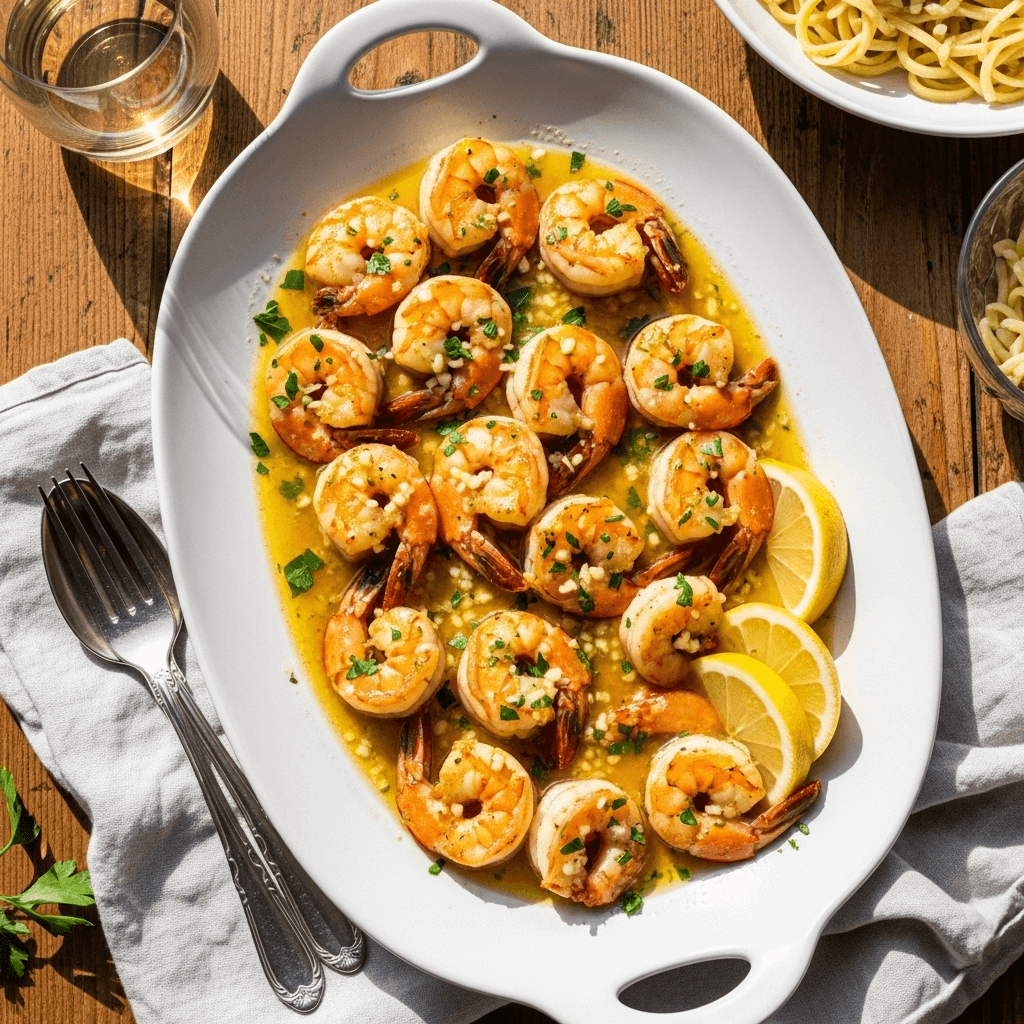

If you’re looking for a dish that’s elegant enough to impress dinner guests yet simple enough for a busy weeknight, shrimp scampi is your answer. This classic Italian-American recipe features tender, succulent shrimp bathed in a luxurious garlic butter white wine sauce that’s absolutely divine. With its bright, zesty flavors and restaurant-worthy presentation, shrimp scampi consistently delivers that “wow” factor without requiring hours in the kitchen or advanced cooking skills.
What makes this easy shrimp scampi recipe so beloved is its perfect balance of rich, buttery goodness with bright, fresh elements like lemon and garlic. The sauce is so delicious you’ll want to soak up every last drop with crusty bread or toss it with pasta. This dish comes together in just 20 minutes from start to finish, making it perfect for romantic date nights at home, special occasions, or those evenings when you want something that feels fancy but doesn’t require fancy effort. Whether you’re serving it over linguine for a complete Italian-inspired meal or alongside crusty garlic bread as an impressive appetizer, shrimp scampi never fails to delight.
History / Background
Despite its Italian-sounding name, shrimp scampi is actually an Italian-American creation that emerged in the United States during the mid-20th century. The word “scampi” refers to a type of small lobster or langoustine (Nephrops norvegicus) found in the Mediterranean and Adriatic seas. In Italy, “scampi” are traditionally prepared with garlic, white wine, and butter – but the dish uses actual scampi crustaceans, not shrimp.
When Italian immigrants came to America, they discovered that true scampi were difficult to find in U.S. waters. However, shrimp were abundant and affordable, especially along the Gulf Coast and Atlantic seaboard. Creative Italian-American chefs began substituting shrimp for scampi while maintaining the traditional garlic, butter, and white wine preparation method. The result was “shrimp scampi” – technically a redundant name (it translates roughly to “shrimp shrimp”), but one that has become firmly established in American culinary vocabulary.
The dish gained massive popularity in the 1950s and 1960s as Italian-American restaurants proliferated across the United States. Red Lobster, which opened in 1968, helped cement shrimp scampi as an American favorite by featuring it prominently on their menu. The combination of affordable shrimp, simple preparation, and luxurious taste made it a hit with both home cooks and restaurant diners.
Today, shrimp scampi represents the best of Italian-American cuisine – it takes the fundamental principles of Italian cooking (quality ingredients, simple preparation, letting flavors shine) and adapts them to American ingredients and tastes. The dish has evolved over decades, with some versions served over pasta, others as a standalone dish, and variations including everything from breadcrumbs to cherry tomatoes. Despite these variations, the core elements remain unchanged: plump shrimp, abundant garlic, butter, white wine, lemon, and often a touch of red pepper flakes for gentle heat.
Why You’ll Love This Recipe
This easy shrimp scampi recipe is about to become your go-to dish when you need something impressive without the stress. It’s the kind of recipe that makes you look like a skilled chef even if you’re a complete beginner. The magic is in the timing and technique – everything happens quickly, but each step builds incredible flavor that tastes like you’ve been cooking all day.
Here’s why you’ll fall in love with this shrimp scampi:
- Ready in 20 minutes – From start to finish, this is genuinely a quick weeknight dinner
- Restaurant-quality results – Tastes like you’re dining at an upscale Italian restaurant
- Minimal ingredients – Uses pantry staples plus fresh shrimp for maximum flavor
- Impressive yet easy – Looks and tastes fancy but requires only basic cooking skills
- Naturally low-carb – Perfect for keto and low-carb diets when served without pasta
- Elegant presentation – Beautiful enough for date nights and dinner parties
- Versatile serving options – Serve over pasta, with bread, over rice, or with zoodles
- Packed with garlic – Garlic lovers rejoice – this dish doesn’t hold back
- Light yet satisfying – Rich enough to feel indulgent but won’t leave you feeling heavy
- Budget-friendly luxury – Shrimp are affordable but taste expensive
- One-pan cooking – Less cleanup means more time enjoying your delicious meal
- Foolproof method – Hard to mess up if you follow the simple steps
Ingredient Notes
Let’s dive into what makes shrimp scampi so irresistibly delicious. Each ingredient plays a crucial role in creating that perfect balance of rich, garlicky, lemony goodness.
Shrimp: The star of the show! Use large or jumbo shrimp (16-20 count per pound or 21-25 count) for the best texture and presentation. Buy them already peeled and deveined to save time – you can leave the tails on for a more elegant presentation or remove them for easier eating. Fresh shrimp are ideal, but high-quality frozen shrimp work beautifully; just thaw them completely and pat them very dry before cooking. Look for shrimp that smell fresh and ocean-like, never fishy or ammonia-scented.
Butter: Essential for that rich, luxurious sauce that makes shrimp scampi so decadent. Use unsalted butter so you can control the salt level in your dish. Butter creates the silky texture and carries all the flavors beautifully. Don’t substitute with margarine – real butter makes all the difference here and provides authentic flavor.
Olive Oil: Used in combination with butter to prevent burning when cooking at higher temperatures. Extra virgin olive oil adds fruity, peppery notes that complement the other ingredients perfectly. The oil also helps the garlic cook evenly without burning, which is crucial for this dish.
Garlic: This is a garlic-forward dish, so don’t be shy! Fresh garlic cloves, minced or thinly sliced, provide that signature scampi flavor. Avoid garlic powder or pre-minced jarred garlic – fresh is absolutely essential for authentic taste. Six to eight cloves might seem like a lot, but it’s perfect and creates that restaurant-quality flavor.
White Wine: Dry white wine adds acidity, depth, and complexity to the sauce. Use something you’d actually drink – Pinot Grigio, Sauvignon Blanc, or dry Vermouth all work wonderfully. The alcohol cooks off, leaving behind nuanced flavor that elevates the entire dish. If you prefer not to use wine, substitute with additional chicken broth plus a squeeze of extra lemon juice.
Lemon: Fresh lemon juice and zest brighten everything and cut through the richness of the butter. The acidity balances the dish perfectly and adds that essential brightness. Always use fresh lemon juice, never bottled – the difference is night and day and worth the minimal extra effort.
Red Pepper Flakes: A pinch adds gentle warmth and complexity without making the dish spicy. It provides subtle heat that enhances other flavors. Adjust to your heat preference or omit entirely for a milder version that’s kid-friendly.
Fresh Parsley: Flat-leaf (Italian) parsley adds color, freshness, and a subtle herbaceous note. It’s stirred into the sauce and used as a garnish for visual appeal. Fresh parsley is best, but you can substitute with fresh basil for a different but equally delicious flavor profile.
Salt and Black Pepper: Essential for seasoning the shrimp and balancing all the flavors. Season in layers throughout cooking for the best, most developed taste.
Equipment Needed
The beauty of shrimp scampi is that it requires minimal equipment – just a few kitchen basics that most home cooks already own:
- Large skillet (12-inch, preferably stainless steel or non-stick) – Essential for cooking the shrimp in a single layer without overcrowding
- Wooden spoon or heat-safe spatula – For stirring and flipping the shrimp gently
- Sharp knife – For mincing garlic and chopping fresh parsley
- Cutting board – For prep work
- Citrus juicer or reamer (or just a fork) – For extracting fresh lemon juice efficiently
- Microplane or zester – For grating lemon zest without the bitter white pith
- Measuring cups and spoons – For accurate measurements of liquids and seasonings
- Paper towels – Critical for patting shrimp dry before cooking
- Tongs – Helpful for flipping shrimp without breaking them
- Large pot (if serving with pasta) – For boiling pasta
- Colander – For draining cooked pasta
Optional but helpful:
- Garlic press (though knife-minced is traditional and releases more flavor)
- Kitchen timer (to avoid overcooking the delicate shrimp)
- Ladle (for serving the sauce over pasta or transferring to plates)
Shrimp Scampi Recipe
- Total Time: 20 minutes
- Yield: 4 servings 1x
- Diet: Gluten Free
Description
This classic shrimp scampi features succulent shrimp cooked in a luxurious garlic butter white wine sauce with bright lemon and fresh herbs. Ready in just 20 minutes, it’s restaurant-quality elegance made simple! Serve over pasta, with crusty bread, or as-is for a low-carb dinner.
Ingredients
- 1½ pounds large shrimp (16–20 count), peeled and deveined, tails on or off
- ¾ teaspoon salt, divided
- ¼ teaspoon black pepper
- 3 tablespoons olive oil, divided
- 4 tablespoons unsalted butter, divided
- 6–8 cloves garlic, minced (about 2–3 tablespoons)
- ¼ teaspoon red pepper flakes (adjust to taste)
- ½ cup dry white wine (Pinot Grigio or Sauvignon Blanc)
- 3 tablespoons fresh lemon juice (about 1 large lemon)
- 1 teaspoon lemon zest
- ¼ cup fresh parsley, finely chopped
- 2 tablespoons freshly grated Parmesan cheese (optional)
For Serving (choose your favorite):
- 1 pound linguine or spaghetti, cooked according to package directions
- Crusty Italian bread or garlic bread
- Fresh lemon wedges for serving
- Additional fresh parsley for garnish
Instructions
- Prep the shrimp: Pat the shrimp completely dry with paper towels – this is crucial for getting a nice sear and preventing the sauce from becoming watery. Season the shrimp on both sides with ½ teaspoon salt and ¼ teaspoon black pepper. Set aside on a plate.
- Heat the pan: Heat 2 tablespoons of olive oil in a large 12-inch skillet over medium-high heat. Wait until the oil is shimmering and hot but not smoking – this ensures proper searing and prevents sticking.
- Cook the shrimp (first batch): Add half the shrimp to the pan in a single layer, making sure they don’t touch or overlap. Cook for 1-2 minutes per side until the shrimp turn pink and opaque with slightly golden edges. Don’t overcook – shrimp cook fast! Transfer the cooked shrimp to a clean plate and set aside.
- Cook remaining shrimp: Add the remaining 1 tablespoon of olive oil to the pan. Cook the second batch of shrimp the same way (1-2 minutes per side), then transfer to the plate with the first batch. Don’t worry if they’re not quite cooked through – they’ll finish cooking in the sauce.
- Start the sauce: Reduce heat to medium. Add 2 tablespoons of butter to the pan. Once melted and foaming, add the minced garlic and red pepper flakes. Cook for 30-60 seconds, stirring constantly with a wooden spoon, until the garlic is fragrant and just starting to turn golden. Watch carefully – garlic can burn quickly!
- Deglaze with wine: Pour in the white wine and use your wooden spoon to scrape up any browned bits from the bottom of the pan (this is flavor gold called fond!). Let the wine simmer for 2-3 minutes, stirring occasionally, until it reduces by about half and the alcohol smell dissipates.
- Add lemon and finish sauce: Add the fresh lemon juice, lemon zest, and remaining ¼ teaspoon salt. Stir in the remaining 2 tablespoons of butter, one tablespoon at a time, swirling the pan until the butter melts completely and the sauce becomes glossy and slightly thickened.
- Return shrimp and combine: Add the cooked shrimp back to the pan along with any accumulated juices from the plate. Toss everything together gently and cook for just 1 minute until the shrimp are heated through and well-coated with the beautiful sauce. Stir in the chopped fresh parsley and Parmesan cheese if using.
- Serve immediately: Transfer the shrimp scampi to a serving platter or individual plates. If serving with pasta, add the hot cooked pasta directly to the skillet with the shrimp and sauce, tossing to combine and adding a splash of reserved pasta water if needed to loosen the sauce. Garnish with additional parsley and serve with fresh lemon wedges. Serve immediately while hot!
Notes
- Don’t overcook the shrimp: Shrimp cook incredibly fast! They’re done when they turn pink and opaque with a slight C-shape. Overcooked shrimp become rubbery, tough, and unpleasant. When in doubt, undercook slightly – they’ll finish in the sauce.
- Pat shrimp dry: This cannot be emphasized enough. Moisture prevents proper searing and dilutes the sauce. Dry shrimp = better browning = more flavor.
- Fresh lemon is essential: Bottled lemon juice simply doesn’t provide the bright, fresh, vibrant flavor this dish needs. Fresh is worth it!
- Watch the garlic: Garlic can go from perfect to burnt in seconds. If it starts to brown too much, immediately add the wine to stop the cooking process.
- Wine substitution: If you don’t use wine, substitute with ½ cup low-sodium chicken broth plus 1 tablespoon lemon juice and 1 teaspoon white wine vinegar for acidity.
- Make it saucier: For more sauce (especially great for pasta), double the butter, wine, and lemon juice quantities.
- Pasta water trick: If tossing with pasta, reserve 1 cup of starchy pasta cooking water before draining. Add splashes to help the sauce coat the pasta beautifully.
- Prep Time: 10 minutes
- Cook Time: 10 minutes
- Category: Main Dish
- Method: Stovetop
- Cuisine: American
Nutrition
- Serving Size: About 6 ounces shrimp with sauce (without pasta)
- Calories: 310
- Sugar: 1g
- Sodium: 650mg
- Fat: 19g
- Saturated Fat: 8g
- Unsaturated Fat: 10g
- Trans Fat: 0g
- Carbohydrates: 4g
- Fiber: 0g
- Protein: 28g
- Cholesterol: 275mg
Tips & Variations
Protein Variations:
- Scallops scampi: Substitute large sea scallops for shrimp, pat very dry, and sear for 2-3 minutes per side until golden
- Chicken scampi: Use thin chicken cutlets, pound to even thickness, cook 4-5 minutes per side until cooked through
- Mixed seafood scampi: Combine shrimp with scallops and chunks of firm white fish like cod or halibut
- Lobster scampi: For special occasions, use lobster tails cut into chunks (expensive but incredible!)
Flavor Variations:
- Spicy shrimp scampi: Increase red pepper flakes to ½-1 teaspoon or add diced fresh jalapeño with the garlic
- Creamy shrimp scampi: Stir in ¼-½ cup heavy cream at the end for a luscious, rich cream sauce
- Tomato shrimp scampi: Add 1 cup halved cherry tomatoes with the garlic, cook until softened and bursting
- Herb variations: Try fresh basil, oregano, tarragon, or thyme in addition to or instead of parsley
- Dijon shrimp scampi: Whisk in 1 tablespoon Dijon mustard with the lemon juice for tangy complexity
- Lemon garlic shrimp: Double the garlic and lemon for an extra-bold version
Serving Style Variations:
- Classic pasta style: Serve over linguine, spaghetti, angel hair, or fettuccine
- Low-carb options: Serve over zucchini noodles (zoodles), cauliflower rice, or spaghetti squash
- Rice variations: Serve over white rice, jasmine rice, lemon herb rice, or risotto
- Bread service: Make it an appetizer by serving with lots of crusty bread for dipping
- Salad topper: Serve warm shrimp scampi over mixed greens with extra lemon for a warm seafood salad
Dietary Adaptations:
- Dairy-free: Use only olive oil (no butter) and omit Parmesan, or use vegan butter substitute
- Whole30/Paleo: Omit wine (use chicken broth), omit Parmesan, use ghee instead of butter
- Keto-friendly: This recipe is naturally keto – just skip the pasta and serve with zoodles or over cauliflower rice
- Gluten-free: The recipe is naturally gluten-free; serve with gluten-free pasta if desired
Pro Chef Tips
Tip #1: The Dry Shrimp Secret
Professional chefs know that moisture is the enemy of a good sear. After patting shrimp dry with paper towels, spread them on a plate lined with more paper towels and refrigerate uncovered for 30 minutes before cooking. This extra step removes even more surface moisture, resulting in a better sear and more flavorful crust. If you’re short on time, at minimum pat them very thoroughly with several paper towels.
Tip #2: Cook Shrimp in Batches
Never overcrowd the pan! Shrimp release moisture as they cook, and if they’re too close together, they’ll steam instead of sear. Cooking in two batches ensures each shrimp gets proper contact with the hot pan, developing that slightly golden, caramelized exterior that adds tremendous flavor. The extra 2 minutes is worth it.
Tip #3: Control Your Garlic
Garlic is crucial to shrimp scampi, but burnt garlic is bitter and ruins the dish. The secret is adding garlic after reducing the heat to medium and cooking it for no more than 60 seconds before adding liquid. Some chefs even remove the pan from heat briefly while adding garlic, then return it. If your garlic starts browning too fast, immediately add the wine to stop the cooking.
Tip #4: Mount the Sauce with Butter
“Mounting” is a French technique where you add cold butter at the end of cooking, swirling it into the sauce off the heat. This creates a silky, glossy, emulsified sauce that coats the shrimp beautifully. Add the final butter tablespoon by tablespoon, swirling the pan constantly. Don’t stir vigorously – gentle swirling creates the best texture.
Tip #5: Reserve Pasta Water
If serving with pasta, always reserve at least 1 cup of pasta cooking water before draining. This starchy water is liquid gold for bringing sauces together. Add it a tablespoon at a time to the shrimp scampi sauce when tossing with pasta – it helps the sauce cling to every strand and creates perfect consistency. Professional Italian chefs always use this technique.
Tip #6: Season in Layers
Great chefs season at multiple stages rather than all at once. Season the shrimp before cooking, adjust the sauce with salt after adding lemon, then taste and adjust again before serving. This layered seasoning approach develops more complex, well-rounded flavor than dumping all the salt in at once.
Tip #7: Finish with Fresh Everything
The final flourish matters! Add fresh chopped parsley, a squeeze of fresh lemon juice, and a drizzle of good quality olive oil right before serving. These bright, fresh elements added at the very end wake up all the flavors and make the dish taste alive and vibrant rather than cooked-out.
Common Mistakes to Avoid
Mistake #1: Overcooking the Shrimp
This is the number one mistake home cooks make with shrimp scampi. Shrimp cook in literally 1-2 minutes per side. They’re done when they turn pink and form a loose C-shape. If they curl into tight O’s, they’re overcooked and will be rubbery and tough. Remember, they’ll continue cooking slightly when returned to the hot sauce, so err on the side of slightly underdone.
Mistake #2: Using Wet Shrimp
Skipping the crucial drying step results in shrimp that release water into the pan, preventing proper browning and diluting your sauce. The moisture creates steam, which means you’re basically boiling the shrimp instead of searing them. Always pat completely dry with paper towels – it makes a dramatic difference in the final dish.
Mistake #3: Burning the Garlic
Burnt garlic is bitter and acrid, ruining the entire dish. Garlic cooks very quickly and can go from perfectly golden to burnt in seconds. Always reduce your heat to medium before adding garlic, stir constantly, and add the wine within 60 seconds. If you smell any bitterness or see dark brown specks, start over – there’s no way to fix burnt garlic.
Mistake #4: Using Poor Quality Wine
The “cook with wine you’d drink” rule absolutely applies here. Cheap, oxidized, or low-quality cooking wine will make your sauce taste sour and unpleasant. You don’t need an expensive bottle, but use something drinkable. If you wouldn’t sip it, don’t cook with it. The wine’s flavor concentrates as it reduces, so quality matters.
Mistake #5: Skipping Fresh Lemon
Bottled lemon juice lacks the brightness and complexity of fresh lemon. It often has a flat, bitter taste that doesn’t provide the vibrant acidity this dish needs. Fresh lemon juice takes 30 seconds to squeeze and makes a world of difference. The oils in fresh lemon zest add another layer of flavor that bottled juice simply can’t provide.
Mistake #6: Not Having Everything Ready
Shrimp scampi comes together fast – we’re talking 10 minutes of active cooking. If you’re scrambling to mince garlic while your shrimp are overcooking, you’re in trouble. Do all your prep first (mise en place): mince garlic, chop parsley, measure wine and lemon juice, have everything within arm’s reach. Once cooking starts, you need to focus on the pan.
Storage & Meal Prep
Refrigerator Storage:
Store leftover shrimp scampi in an airtight container in the refrigerator for up to 2 days. The shrimp will continue to absorb flavors from the sauce, though they may become slightly less tender. Store any pasta separately from the shrimp and sauce if possible, as pasta continues to absorb liquid and can become mushy.
Reheating Instructions:
Reheat shrimp scampi gently to avoid overcooking the shrimp further. The best method is in a skillet over medium-low heat for 3-4 minutes, adding a splash of chicken broth, white wine, or water to loosen the sauce. Stir gently until just heated through. You can also microwave in 30-second intervals, stirring between each, but be careful not to overheat. For pasta, add a splash of liquid and toss to rehydrate.
Texture After Storage:
Be aware that reheated shrimp will never quite match the texture of freshly cooked shrimp. They may become slightly firmer or chewier. This is why shrimp scampi is best enjoyed immediately after cooking. If you know you’ll have leftovers, consider slightly undercooking the shrimp initially so reheating doesn’t make them rubbery.
Sauce Separation:
The butter-based sauce may separate slightly during refrigeration as the fat solidifies. This is normal. When reheating, whisk or stir vigorously over gentle heat to re-emulsify the sauce. Adding a small splash of warm water or broth while stirring helps bring it back together.
Make-Ahead & Freezer Notes
Limited Make-Ahead Options:
Shrimp scampi is best made fresh and served immediately, but you can do some prep work in advance. Peel and devein shrimp up to 24 hours ahead, pat dry, and store covered in the refrigerator. Mince garlic, chop parsley, and measure out ingredients up to 4 hours ahead. However, don’t cook the shrimp in advance – they’ll overcook when reheated.
Partial Prep Strategy:
For entertaining, make your sauce base in advance: sauté garlic in butter and oil, add wine and lemon, then cool and refrigerate. When ready to serve, simply reheat the sauce, cook fresh shrimp, and combine. This gives you that just-made quality while reducing last-minute stress.
Freezing Cooked Shrimp Scampi:
While possible, freezing is not recommended for shrimp scampi. Cooked shrimp become mushy and rubbery when frozen and thawed, and the butter sauce separates significantly. The texture and quality deteriorate noticeably. If you must freeze, it will keep for up to 1 month in an airtight container, but expect texture changes.
Freezing Raw Shrimp:
A better approach is freezing raw, cleaned shrimp. Buy extra shrimp, peel and devein them, then freeze in portions. Thaw overnight in the refrigerator, pat very dry, and make fresh shrimp scampi whenever you want it. This gives you convenience without sacrificing quality.
Best Approach for Meal Prep:
Rather than trying to make and store shrimp scampi, prep your ingredients and keep raw shrimp on hand. The dish cooks so quickly (20 minutes total) that making it fresh is more practical than reheating. Consider it a “quick fix” meal rather than a make-ahead dish.
Serving Suggestions
Shrimp scampi is incredibly versatile and pairs beautifully with various sides and accompaniments. Here’s how to create a complete meal:
Pasta Pairings:
The classic way to serve shrimp scampi is tossed with pasta. Linguine is traditional, but angel hair, spaghetti, fettuccine, or even penne work wonderfully. Cook pasta until al dente, reserve some cooking water, then toss the hot pasta directly in the skillet with the shrimp and sauce. The starchy pasta water helps create a silky sauce that clings to every strand.
Bread Options:
Crusty Italian bread, garlic bread, or a fresh baguette are essential for soaking up every drop of that incredible garlic butter sauce. Toast thick slices and rub with a garlic clove for extra flavor. Focaccia, ciabatta, or even dinner rolls work beautifully too. Some people consider the bread the best part!
Vegetable Sides:
Balance the richness of shrimp scampi with light, fresh vegetables. Roasted asparagus, sautéed broccolini, roasted Brussels sprouts, or steamed green beans all pair wonderfully. A simple Caesar salad or mixed green salad with lemon vinaigrette provides refreshing contrast.
Starch Alternatives:
Beyond pasta, serve shrimp scampi over creamy risotto, garlic herb rice, parmesan polenta, or creamy mashed potatoes. For low-carb options, try cauliflower rice, zucchini noodles (zoodles), or roasted spaghetti squash.
Complete Italian Dinner:
Create an Italian-inspired feast: start with caprese salad or bruschetta, serve shrimp scampi with pasta as the main course alongside roasted vegetables, and finish with tiramisu or panna cotta for dessert. Add a bottle of crisp Pinot Grigio or Sauvignon Blanc.
Wine Pairings:
White wine is the classic choice. Serve the same wine you cooked with – Pinot Grigio, Sauvignon Blanc, or Verdicchio all work beautifully. The crisp acidity cuts through the butter and complements the garlic and lemon. Avoid oaky Chardonnays which can overwhelm the delicate flavors.
Appetizer-Style Service:
Serve shrimp scampi as an elegant appetizer by presenting it in individual ramekins or on small plates with toothpicks and lots of crusty bread. This works perfectly for dinner parties or holiday gatherings.
Family-Style Presentation:
For casual dinners, serve everything family-style: present the shrimp scampi in a large, shallow serving bowl or the cooking skillet itself (if it’s attractive), surrounded by bowls of pasta, bread, and salad. Let everyone help themselves.
FAQs Section
Q: Can I use frozen shrimp for this recipe?
A: Absolutely! Frozen shrimp work great for shrimp scampi. The key is thawing them properly and thoroughly drying them before cooking. Thaw frozen shrimp overnight in the refrigerator or place them in a sealed bag in cold water for 30-60 minutes. Pat them very, very dry with paper towels – frozen shrimp release more moisture than fresh, so the drying step is even more critical.
Q: What if I don’t want to use wine?
A: You can make delicious shrimp scampi without wine! Replace the ½ cup white wine with ½ cup low-sodium chicken broth plus 1 tablespoon fresh lemon juice and 1 teaspoon white wine vinegar or apple cider vinegar. The vinegar provides the acidity that wine normally contributes. The flavor will be slightly different but still delicious.
Q: How do I know when shrimp are fully cooked?
A: Properly cooked shrimp turn from translucent gray to opaque pink-white, form a loose C-shape, and feel firm but not hard to the touch. They cook very quickly – usually 1-2 minutes per side depending on size. Overcooked shrimp curl into tight O’s and feel rubbery. When in doubt, remove them from heat early – they’ll finish cooking in the hot sauce.
Q: Can I make shrimp scampi without butter?
A: Yes, for a dairy-free version, use all olive oil instead of butter. Use a total of 5-6 tablespoons of good quality extra virgin olive oil. The sauce won’t be quite as rich and creamy, but it will still be delicious with plenty of garlic and lemon flavor. You can also use ghee (clarified butter) which is lactose-free and works beautifully.
Q: Why did my shrimp turn out rubbery?
A: Rubbery shrimp are overcooked shrimp. Shrimp cook incredibly fast and continue cooking from residual heat even after removed from the pan. Cook them for no more than 1-2 minutes per side until just pink and opaque. Remember, they’ll cook a bit more when returned to the hot sauce, so slightly underdone is better than overdone.
Q: Can I add vegetables to shrimp scampi?
A: Definitely! Cherry tomatoes (halved), baby spinach, sun-dried tomatoes, artichoke hearts, or asparagus all make wonderful additions. Add heartier vegetables like tomatoes with the garlic, or stir in delicate greens like spinach at the very end so they just wilt. Keep additions minimal so the shrimp remains the star.
Q: How do I make the sauce thicker?
A: The sauce should be naturally slightly thickened from the butter emulsification. If it seems too thin, let it simmer for an extra minute to reduce further. You can also swirl in an extra tablespoon of cold butter at the end, which helps thicken and create a glossier sauce. Avoid using flour or cornstarch, which changes the texture and isn’t traditional.
Q: What size shrimp should I buy?
A: Large (21-25 count per pound) or jumbo (16-20 count per pound) shrimp work best for shrimp scampi. They’re substantial enough to develop a nice sear without overcooking instantly. Avoid tiny shrimp – they overcook in seconds and don’t have the same satisfying texture. The count number tells you how many shrimp are in a pound, so lower numbers mean bigger shrimp.
Conclusion
And there you have it – everything you need to create spectacular, restaurant-quality shrimp scampi in your own kitchen! This elegant dish proves that impressive doesn’t have to mean complicated. With just a handful of simple ingredients, basic technique, and 20 minutes of your time, you can serve up a meal that looks and tastes like it came from an upscale Italian restaurant.
The beauty of shrimp scampi is its versatility. Serve it for a romantic date night dinner, impress guests at your next dinner party, or whip it up on a busy Tuesday when you want something special without the fuss. Once you master this recipe, you’ll find yourself making it again and again because it’s simply that good and that easy.
Remember, the keys to perfect shrimp scampi are: dry your shrimp thoroughly, don’t overcook them, use fresh garlic and lemon, and don’t be afraid of butter. Follow these simple principles, and you’ll create magic in your skillet every single time.
Ready to make the best shrimp scampi ever? I’d love to hear how yours turns out! Drop a comment below and let me know what you think, how you served it, or any creative variations you tried. And if this recipe impressed you (or your dinner guests!), please save it to your Pinterest boards so you can find it easily next time – and help other home cooks discover this amazing recipe too! Your pins and shares really mean the world and help keep this blog going. Now grab those shrimp and get cooking – your perfect shrimp scampi dinner awaits! 🍤✨