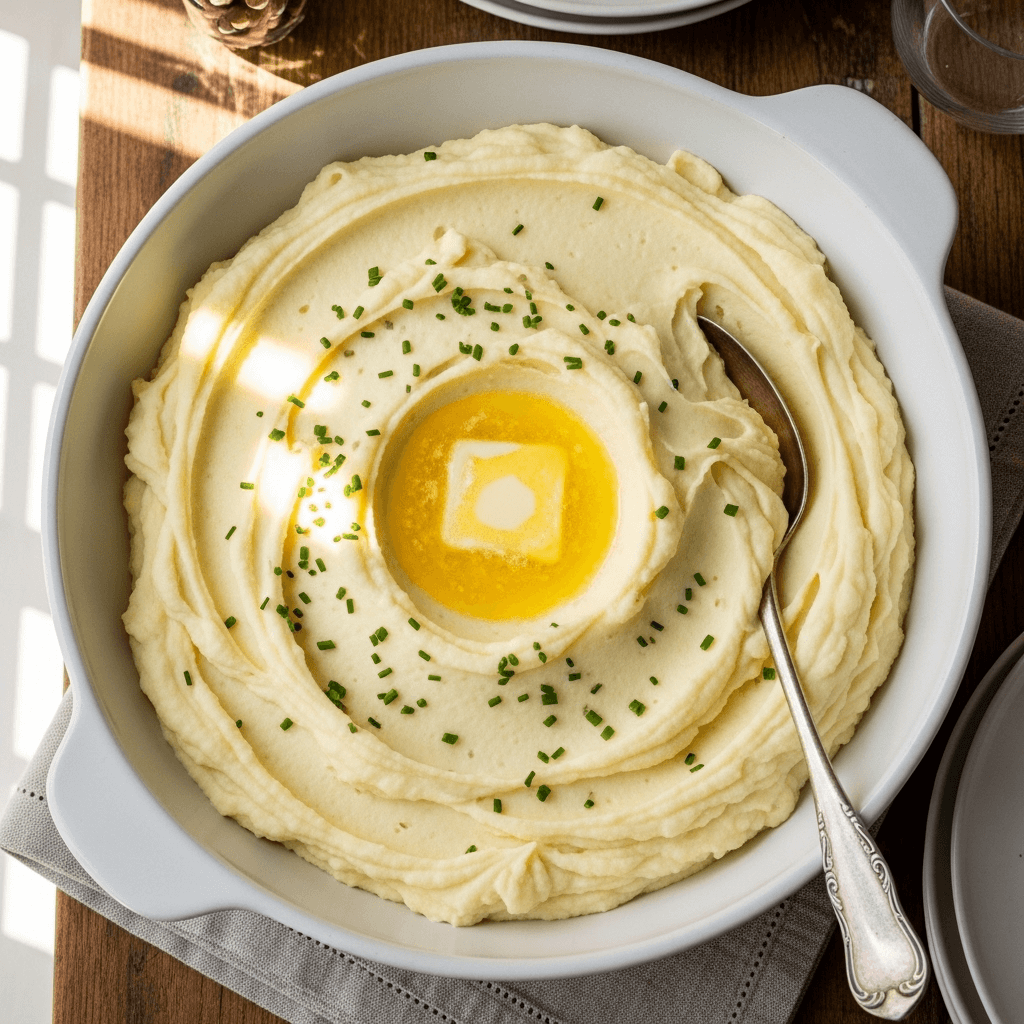

There’s something truly magical about a bowl of perfectly creamy mashed potatoes. Whether you’re planning a cozy family dinner, preparing for Thanksgiving, or simply craving ultimate comfort food, this creamy mashed potatoes recipe delivers every single time. These aren’t just any mashed potatoes – they’re cloud-like, buttery, and so incredibly smooth that they’ll become your go-to side dish for any occasion.
What makes this recipe special is its simplicity combined with restaurant-quality results. You don’t need fancy equipment or hard-to-find ingredients. Just good potatoes, real butter, cream, and a little bit of love. The result? Mashed potatoes that are fluffy yet creamy, rich but not heavy, and absolutely irresistible. They pair beautifully with roasted meats, gravies, and vegetables, making them the perfect accompaniment to countless meals.
This recipe has been tested and perfected to give you foolproof results whether you’re a beginner cook or a seasoned home chef. The key is in the technique – and I’ll walk you through every step to ensure your mashed potatoes turn out perfectly creamy and lump-free every time.
History / Background
Mashed potatoes have been a beloved staple in American cuisine for centuries, though their origins trace back much further. Potatoes themselves were first cultivated in Peru and Bolivia thousands of years ago, but they didn’t make their way to Europe until Spanish conquistadors brought them back in the 16th century.
The concept of mashing potatoes became popular in England and Ireland in the 1700s, where potatoes became a dietary staple due to their affordability and nutritional value. Early recipes were quite simple – just boiled potatoes mashed with a bit of milk or butter. As the dish evolved and made its way to America with European immigrants, it became deeply embedded in American food culture.
By the 19th century, mashed potatoes had become synonymous with comfort food in the United States. They appeared at Sunday dinners, holiday feasts, and everyday meals across the country. The addition of cream, butter, and various seasonings transformed them from a humble peasant food into a beloved side dish that graces tables from casual weeknight dinners to elegant holiday celebrations.
Today, creamy mashed potatoes are an essential part of Thanksgiving, Christmas dinners, and classic American comfort meals. They’ve become so iconic that they’re often associated with home, warmth, and family gatherings. Regional variations exist throughout the country, but the creamy, buttery version remains the most popular, especially in the South and Midwest where rich, indulgent comfort foods reign supreme.
Why You’ll Love This Recipe
This isn’t just another mashed potatoes recipe – it’s THE recipe you’ll turn to again and again. These creamy mashed potatoes strike the perfect balance between rich and light, indulgent and approachable. They’re proof that simple ingredients, when treated with care, can create something truly extraordinary.
Here’s why this recipe will become your favorite:
- Incredibly Creamy Texture – No lumps, no gluey consistency, just perfectly smooth and velvety mashed potatoes
- Simple Ingredients – Uses pantry staples you likely already have: potatoes, butter, cream, salt, and pepper
- Foolproof Method – Clear, detailed instructions ensure perfect results even for beginners
- Versatile & Customizable – Easily adapt to add garlic, herbs, cheese, or other flavors you love
- Crowd-Pleaser – Everyone loves these! They’re perfect for family dinners and holiday gatherings
- Make-Ahead Friendly – Can be partially prepared in advance to save time on busy days
- Budget-Friendly – Affordable ingredients that don’t break the bank
- Restaurant Quality at Home – Tastes just like the mashed potatoes from your favorite steakhouse
Ingredient Notes
Let’s talk about what makes these mashed potatoes so incredibly delicious. Each ingredient plays an important role in creating that perfect creamy texture and rich flavor.
Russet Potatoes – These are my top choice for the fluffiest, creamiest results. Russet potatoes have a high starch content and low moisture, which means they absorb butter and cream beautifully without becoming gummy. Yukon Gold potatoes are an excellent alternative if you prefer a slightly denser, more buttery texture with a natural golden color.
Unsalted Butter – Real butter is non-negotiable for truly creamy, flavorful mashed potatoes. Using unsalted butter allows you to control the salt level perfectly. Plan on about 1/2 cup for rich, indulgent results. You can substitute with salted butter, but reduce the added salt accordingly.
Heavy Cream – This is what gives mashed potatoes their luxurious, velvety texture. Heavy cream (or heavy whipping cream) has the highest fat content, making your potatoes extra smooth and rich. You can substitute with half-and-half for a lighter version, or whole milk in a pinch, though the texture won’t be quite as creamy.
Salt – Proper seasoning is crucial! You’ll need salt for the cooking water (this seasons the potatoes from the inside) and additional salt to taste at the end. Don’t skip salting the cooking water – it makes a huge difference.
Black Pepper – Freshly ground black pepper adds a subtle warmth and complexity. White pepper can be used instead if you prefer a more traditional look without visible pepper specks.
Optional Add-ins – While the basic recipe is perfect as-is, you can customize with roasted garlic, fresh herbs like chives or parsley, cream cheese for extra tang, or sour cream for a slightly lighter texture with more depth of flavor.
Equipment Needed
Having the right tools makes preparing creamy mashed potatoes so much easier. Here’s what you’ll need:
- Large Pot or Dutch Oven – For boiling the potatoes (at least 6-quart capacity)
- Potato Masher or Ricer – A ricer gives the smoothest results, but a good masher works perfectly too
- Colander – For draining the cooked potatoes
- Sharp Knife and Cutting Board – For peeling and cutting potatoes into uniform pieces
- Measuring Cups and Spoons – For accurate measurements of butter, cream, and seasonings
- Small Saucepan – For warming the cream and butter together (optional but recommended)
- Wooden Spoon or Spatula – For stirring and final mixing
- Serving Bowl – A nice warm bowl for presentation
Optional but helpful:
- Electric hand mixer (only if you prefer ultra-smooth potatoes, but be careful not to overmix)
- Potato peeler (saves time over using a knife)
- Kitchen timer

Creamy Mashed Potatoes Recipe
- Total Time: 35 minutes
- Yield: 8 servings 1x
- Diet: Vegetarian
Description
The creamiest, dreamiest mashed potatoes you’ll ever make! This easy recipe uses simple ingredients to create perfectly smooth and buttery mashed potatoes that taste like they came from a fancy steakhouse. Perfect for holidays, Sunday dinners, or any time you’re craving ultimate comfort food.
Ingredients
- 3 pounds Russet potatoes (about 6–8 medium potatoes)
- 1/2 cup unsalted butter (1 stick), at room temperature
- 3/4 cup heavy cream, warmed
- 1 tablespoon salt (for cooking water)
- 1 teaspoon salt (for seasoning, or to taste)
- 1/2 teaspoon freshly ground black pepper
- Optional: 2-3 cloves roasted garlic, mashed
- Optional: 2 tablespoons fresh chives, chopped
Instructions
Step 1: Prepare the Potatoes
Peel the potatoes using a vegetable peeler or sharp knife. Cut them into evenly-sized chunks, about 1.5 to 2 inches each. Keeping them uniform ensures they cook at the same rate.
Step 2: Boil the Potatoes
Place the potato chunks in a large pot and cover with cold water by about 1 inch. Add 1 tablespoon of salt to the water. Bring to a boil over high heat, then reduce to a steady simmer. Cook for 15-20 minutes, or until the potatoes are fork-tender. A knife should slide through easily with no resistance.
Step 3: Warm the Cream and Butter
While the potatoes are cooking, combine the heavy cream and butter in a small saucepan over low heat. Warm gently until the butter is melted and the mixture is heated through. Do not boil. Keep warm until ready to use. This step ensures your mashed potatoes stay hot and the fats incorporate smoothly.
Step 4: Drain the Potatoes
Once the potatoes are tender, drain them thoroughly in a colander. Let them sit for 1-2 minutes to allow excess moisture to evaporate. This is important for achieving fluffy, not watery, mashed potatoes.
Step 5: Mash the Potatoes
Return the drained potatoes to the empty pot (the residual heat helps). Using a potato masher, mash the potatoes until they’re mostly smooth. For the creamiest texture, press them through a potato ricer instead. Work quickly while they’re still hot.
Step 6: Add Butter and Cream
Add half of the warm butter-cream mixture to the mashed potatoes. Gently fold it in with a wooden spoon or spatula using a folding motion. Add the remaining cream mixture and continue folding until the potatoes reach your desired consistency. Don’t overmix, as this can make them gummy.
Step 7: Season to Perfection
Add 1 teaspoon of salt and the black pepper. Taste and adjust seasoning as needed. If using, fold in roasted garlic and fresh chives at this point.
Step 8: Serve
Transfer to a warm serving bowl. Make a small well in the center and add a pat of butter on top for presentation. Serve immediately while hot and creamy.
Notes
- Don’t Overmix: Once you add the cream and butter, use a gentle folding motion. Overmixing activates the starch and creates gluey potatoes.
- Keep Everything Warm: Cold ingredients will cool down your potatoes and make them harder to mix smoothly.
- Potato Choice Matters: Russet potatoes give you the fluffiest results. Avoid waxy potatoes like red potatoes for mashing.
- Make It Ahead: You can boil and mash the potatoes up to 2 hours ahead, then reheat gently with the warm cream and butter mixture just before serving.
- Reheating Tip: Reheat gently in a double boiler or in the oven covered with foil, adding a splash of cream or milk to restore creaminess.
- Prep Time: 15 minutes
- Cook Time: 20 minutes
- Category: Side Dish
- Method: Stovetop
- Cuisine: American
Nutrition
- Serving Size: Amount Per Serving
- Calories: 285
- Sugar: 2g
- Sodium: 315mg
- Fat: 16g
- Saturated Fat: 10g
- Unsaturated Fat: 5g
- Trans Fat: 0g
- Carbohydrates: 32g
- Fiber: 2g
- Protein: 4g
- Cholesterol: 50mg
Tips & Variations
Flavor Variations:
- Garlic Mashed Potatoes: Add 4-6 cloves of roasted garlic for a sweet, mellow garlic flavor that’s absolutely divine
- Herb Infused: Stir in fresh chopped herbs like rosemary, thyme, parsley, or chives for a garden-fresh taste
- Cheesy Mashed Potatoes: Fold in 1 cup of shredded sharp cheddar, parmesan, or gruyere cheese for an indulgent twist
- Sour Cream & Chive: Replace 1/4 cup of the heavy cream with sour cream and add plenty of fresh chives
- Loaded Style: Top with bacon bits, shredded cheese, sour cream, and green onions for loaded baked potato vibes
- Buttermilk Version: Substitute half of the cream with buttermilk for a tangy, Southern-style version
Dietary Modifications:
- Lighter Version: Use whole milk instead of heavy cream and reduce butter to 1/4 cup
- Dairy-Free: Use plant-based butter and warm coconut cream or cashew cream
- Vegan: Combine olive oil with unsweetened almond milk or oat milk, adding nutritional yeast for depth
Texture Adjustments:
- Extra Creamy: Add an additional 1/4 cup of cream or a few tablespoons of cream cheese
- Chunky Style: Mash less for a more rustic, chunky texture with potato pieces
- Ultra-Smooth: Use a potato ricer and then whip briefly with a hand mixer (be very careful not to overmix)
Pro Chef Tips
Tip #1: Start with Cold Water
Always start potatoes in cold water and bring to a boil together. This ensures even cooking throughout. Starting with boiling water cooks the outside too quickly while leaving the inside undercooked.
Tip #2: Salt the Water Generously
The cooking water should taste like the ocean. This is your only chance to season the potatoes from the inside out. Under-salted cooking water results in bland potatoes no matter how much you season later.
Tip #3: Don’t Skip the Draining Step
After draining, let the potatoes sit in the colander for 1-2 minutes, then return them to the hot pot for another 30 seconds to evaporate excess moisture. Too much water = watery mashed potatoes.
Tip #4: Warm Your Dairy
Cold butter and cream will cool down your potatoes, making them harder to mash smoothly and potentially resulting in lumps. Always warm your cream and butter before adding.
Tip #5: Use the Right Potatoes
High-starch potatoes (Russets) are ideal because they break down easily and absorb fats beautifully. Waxy potatoes (red or new potatoes) contain less starch and more moisture, resulting in gummy, gluey texture when mashed.
Tip #6: Add Fats First, Liquid Second
Coating the potato starch with butter first creates a barrier that prevents the potatoes from becoming gluey when you add the liquid. This professional technique ensures silky-smooth results.
Tip #7: Work Quickly While Hot
Potatoes are easiest to mash and incorporate ingredients when they’re steaming hot. As they cool, the starch hardens and becomes more difficult to work with.
Common Mistakes to Avoid
Mistake #1: Overmixing the Potatoes
This is the number one culprit behind gummy, gluey mashed potatoes. When you overmix, you activate the starch molecules, creating a paste-like texture. Solution: Use a gentle folding motion and stop as soon as everything is combined.
Mistake #2: Using the Wrong Type of Potato
Waxy potatoes like red potatoes or fingerlings have too much moisture and not enough starch for fluffy mashed potatoes. Solution: Stick with high-starch Russet or all-purpose Yukon Gold potatoes.
Mistake #3: Not Salting the Cooking Water
Plain water results in bland potatoes that taste flat no matter how much you season later. Solution: Add at least 1 tablespoon of salt to your cooking water – it should taste noticeably salty.
Mistake #4: Adding Cold Ingredients
Cold butter and cream will cool your potatoes down quickly, making them harder to mash smoothly and less creamy. Solution: Always warm your cream and butter before adding, and keep potatoes hot throughout the process.
Mistake #5: Overcooking or Undercooking
Undercooked potatoes won’t mash smoothly and will have hard lumps. Overcooked potatoes absorb too much water and become waterlogged. Solution: Test with a fork after 15 minutes – they should be tender but not falling apart.
Storage & Meal Prep
Refrigerator Storage:
Store leftover mashed potatoes in an airtight container in the refrigerator for up to 4-5 days. Press plastic wrap directly on the surface before sealing to prevent a skin from forming. The texture may firm up slightly when cold, but they’ll soften when reheated.
Reheating Methods:
- Stovetop: The best method for maintaining creaminess. Heat in a saucepan over low heat, stirring frequently and adding 2-4 tablespoons of cream or milk to restore the creamy texture.
- Microwave: Place in a microwave-safe bowl, add a splash of milk or cream, cover loosely, and heat in 1-minute intervals, stirring between each until heated through.
- Oven: Spread in a buttered baking dish, dot with butter, cover with foil, and bake at 350°F for 20-30 minutes until hot throughout.
- Double Boiler: For the gentlest reheating that prevents burning, place in a heat-proof bowl over simmering water and stir occasionally until warm.
Texture Restoration:
Mashed potatoes often dry out slightly when refrigerated. Always add a bit of warm cream, milk, or melted butter when reheating to bring back that silky, creamy consistency.
Portion Control:
For easy meal planning, portion leftover mashed potatoes into individual containers. They reheat more evenly in smaller portions and make great additions to weekday lunches.
Make-Ahead & Freezer Notes
Make-Ahead Option (2-3 Days):
You can prepare these mashed potatoes up to 2 days in advance, which is perfect for holiday meal prep. Prepare the recipe through Step 7, then transfer to a buttered baking dish. Cover tightly with plastic wrap and refrigerate. When ready to serve, let sit at room temperature for 30 minutes, then reheat covered in a 350°F oven for 30-40 minutes, stirring halfway through. Add a splash of warm cream if needed to restore creaminess.
Day-of Make-Ahead (2-4 Hours):
For same-day prep, make the mashed potatoes up to 4 hours ahead. Keep them in a slow cooker on the “warm” setting, stirring occasionally. Add a bit of extra butter or cream before serving to freshen them up. This method keeps them at the perfect serving temperature without overcooking.
Freezing Instructions:
While mashed potatoes can be frozen, they do lose some of their creamy texture when thawed. If you choose to freeze them:
- Let the mashed potatoes cool completely to room temperature
- Portion into freezer-safe containers or heavy-duty freezer bags, leaving 1/2 inch of space at the top for expansion
- Press out excess air and seal tightly
- Label with the date and freeze for up to 2 months
Thawing and Reheating from Frozen:
Thaw overnight in the refrigerator, then reheat in a double boiler or oven, stirring in additional warm cream or milk to restore the texture. The consistency won’t be quite as fluffy as freshly made, but they’ll still taste delicious. For best results, use thawed mashed potatoes in recipes like shepherd’s pie or potato cakes rather than serving them on their own.
Best Freezing Tip:
If you know you’ll be freezing mashed potatoes, slightly undercook them and use a bit less liquid initially. This helps compensate for texture changes during freezing and reheating.
Serving Suggestions
Creamy mashed potatoes are incredibly versatile and pair beautifully with so many dishes. Here are some of my favorite serving combinations:
Classic Pairings:
- Roasted turkey or chicken with gravy (Thanksgiving classic!)
- Juicy pot roast with rich pan gravy
- Pan-seared steak with mushroom sauce
- Meatloaf with ketchup glaze
- Braised short ribs
- Herb-roasted pork tenderloin
Complete Meal Ideas:
- Serve alongside green beans almondine and dinner rolls for a traditional Sunday dinner
- Pair with glazed carrots and roasted Brussels sprouts for a holiday feast
- Create a comforting bowl with gravy, corn, and rotisserie chicken
- Make a steakhouse-style plate with grilled ribeye, sautéed mushrooms, and creamed spinach
Gravy Options: These mashed potatoes are the perfect vehicle for various gravies:
- Traditional turkey gravy
- Rich beef gravy
- Mushroom pan gravy
- Onion gravy
- Vegetarian mushroom gravy
Creative Serving Ideas:
- Top with crispy fried onions for added crunch and flavor
- Create a mashed potato bar with toppings like bacon, cheese, chives, and sour cream
- Use as a base for shepherd’s pie or cottage pie
- Serve in individual ramekins for an elegant presentation
- Make a well in the center and fill with extra gravy
Beverage Pairings:
- Full-bodied red wine like Cabernet Sauvignon or Merlot
- Rich beer like a stout or porter
- Apple cider (hot or cold)
- Sparkling water with lemon
FAQs Section
Q: Why did my mashed potatoes turn out gluey and gummy?
A: This happens when potatoes are overmixed or when you use the wrong type of potato. The starch molecules get overworked and create a glue-like paste. Always use high-starch Russet potatoes and mix gently using a folding motion. Stop mixing as soon as the ingredients are combined. Never use a food processor or immersion blender, as these will definitely create gluey potatoes.
Q: Can I make mashed potatoes without a ricer or masher?
A: Yes! A large fork works in a pinch, though it takes more effort. You can also use a hand mixer on the lowest setting, but be extremely careful not to overmix – pulse for just a few seconds at a time. Avoid food processors and immersion blenders entirely, as they overmix the potatoes instantly.
Q: How do I make my mashed potatoes extra creamy?
A: Use high-starch Russet potatoes, warm your butter and cream before adding them, and don’t skimp on the fat. The ratio of butter and cream to potatoes is what creates that luxurious creaminess. You can also add a few tablespoons of cream cheese or sour cream for extra richness. A potato ricer will give you the smoothest texture.
Q: Can I substitute milk for heavy cream?
A: Yes, though your potatoes won’t be quite as rich and creamy. Whole milk is the best substitute, but even 2% milk will work. You may want to add a bit more butter to compensate for the lower fat content. For best results, warm the milk before adding it to the potatoes.
Q: Why are my mashed potatoes watery?
A: This usually happens when potatoes aren’t drained well enough or when they’ve been overcooked and absorbed too much water. Always let potatoes drain thoroughly in a colander for 1-2 minutes, then return them to the hot pot briefly to evaporate excess moisture. Also, don’t boil potatoes too vigorously or for too long.
Q: Can I make these dairy-free or vegan?
A: Absolutely! Use plant-based butter (like Earth Balance) and substitute the heavy cream with full-fat coconut cream, cashew cream, or a combination of olive oil and unsweetened plant milk. The texture will be slightly different but still delicious. Add nutritional yeast for a subtle cheesy flavor.
Q: How do I keep mashed potatoes warm for a party or holiday dinner?
A: The best method is to use a slow cooker on the “warm” setting. Transfer the finished mashed potatoes to your slow cooker, stir occasionally, and they’ll stay at the perfect temperature for up to 4 hours. Add a little extra butter or cream before serving to freshen the texture. You can also keep them in a double boiler over low heat, stirring occasionally.
Conclusion
There you have it – the ultimate guide to making perfectly creamy mashed potatoes! These aren’t just any ordinary mashed potatoes; they’re the kind that make people ask for seconds (and thirds), the kind that steal the spotlight at holiday dinners, and the kind you’ll crave on cozy evenings at home.
The beauty of this recipe lies in its simplicity and reliability. With quality ingredients, proper technique, and a little bit of care, you can create restaurant-quality mashed potatoes in your own kitchen every single time. Whether you’re preparing them for Thanksgiving dinner, a special Sunday meal, or just because you’re craving ultimate comfort food, this recipe delivers consistent, delicious results.
I’d love to hear how your creamy mashed potatoes turn out! Did you add any special touches or flavor variations? Leave a comment below and let me know what you think. And if you love this recipe as much as I do, please share it with your friends and family, and don’t forget to pin it to your favorite Pinterest boards so you can find it easily next time you need the perfect side dish.
Happy cooking, and here’s to many more bowls of creamy, dreamy mashed potatoes! 🥔✨