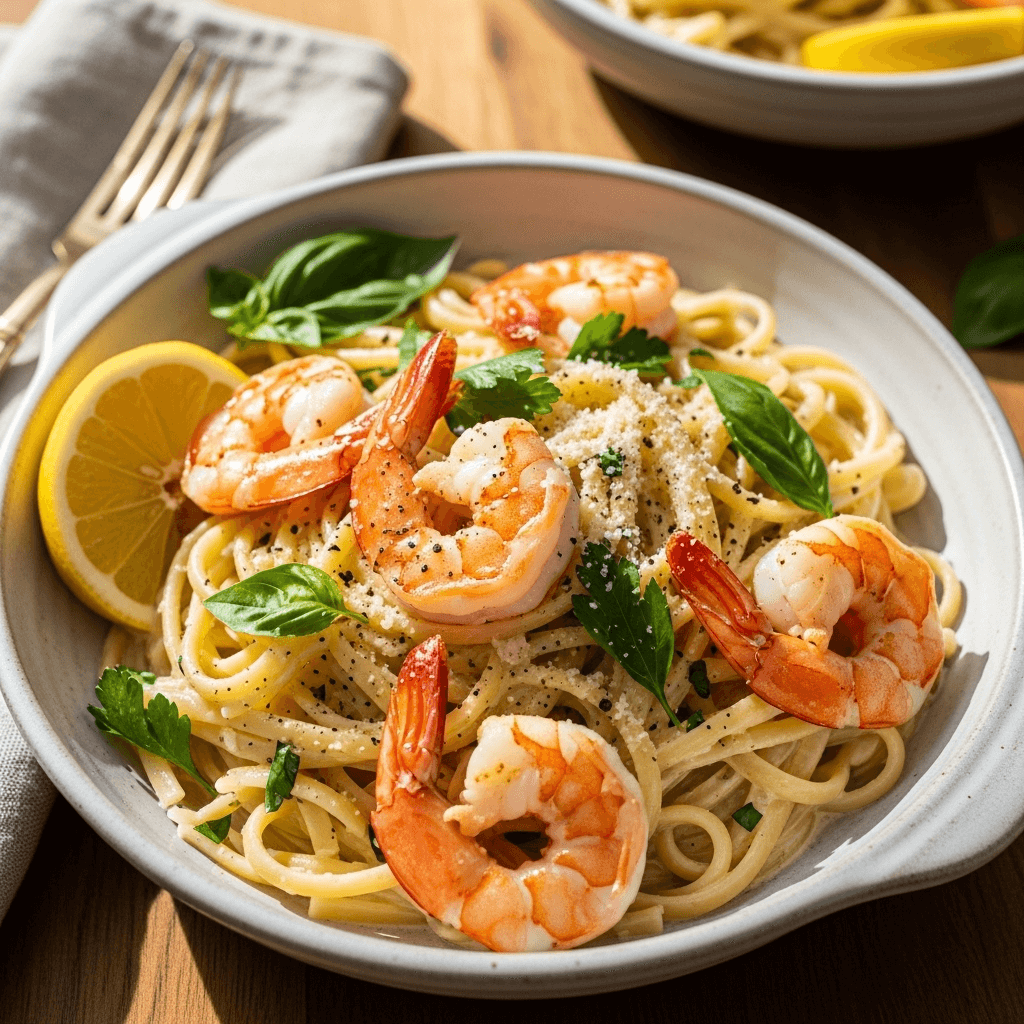

If you’re looking for a restaurant-quality meal that comes together in under 30 minutes, this creamy shrimp pasta is about to become your new weeknight hero. Imagine perfectly seared shrimp nestled in a velvety garlic parmesan sauce, coating every strand of tender pasta. It’s the kind of dish that feels fancy enough for date night but easy enough for a busy Tuesday evening.
This creamy garlic shrimp pasta recipe combines succulent shrimp with a rich, indulgent sauce that’s surprisingly simple to make. The beauty of this dish lies in its versatility—serve it for a romantic dinner for two, a special family meal, or even when you’re entertaining guests who need to be seriously impressed. The best part? Everything comes together in one pan, which means minimal cleanup and maximum flavor. Whether you’re a seafood lover or just someone who appreciates a good pasta dish, this creamy shrimp pasta with parmesan will have everyone at your table asking for seconds.
History / Background
Shrimp pasta dishes have a fascinating culinary journey that spans both Italian and American coastal cuisines. While pasta with seafood has been a staple in Italian coastal regions like Sicily, Campania, and Liguria for centuries, the creamy version we know and love today is actually more of an Italian-American creation that emerged in the mid-20th century.
In traditional Italian cooking, seafood pasta was typically kept simple—often just olive oil, garlic, white wine, and fresh herbs—allowing the delicate flavor of the seafood to shine. However, when Italian immigrants brought their culinary traditions to America, particularly to cities like New York and New Orleans, they began adapting their recipes to incorporate ingredients that were readily available and popular in American cooking, including heavy cream and parmesan cheese.
The creamy shrimp pasta we enjoy today is a beautiful fusion that honors Italian pasta-making traditions while embracing the American love for rich, indulgent sauces. It became particularly popular in the 1980s and 1990s when Italian-American restaurants started featuring dishes like “Shrimp Alfredo” and “Shrimp Scampi Pasta” on their menus. These dishes captured hearts (and appetites) because they delivered both elegance and comfort in one incredible plate.
Today, creamy shrimp pasta has become a beloved staple in home kitchens across America, with countless variations reflecting regional preferences and personal touches. It’s a testament to how food evolves and adapts, creating something familiar yet exciting that brings people together around the dinner table.
Why You’ll Love This Recipe
This isn’t just another pasta recipe—it’s the kind of dish that makes you feel like a culinary genius without requiring professional chef skills. The combination of tender shrimp, al dente pasta, and a luxurious cream sauce creates a harmony of flavors and textures that’s absolutely irresistible.
Here’s why this creamy shrimp pasta recipe deserves a permanent spot in your meal rotation:
- Restaurant-quality results at home – Save money and skip the reservation while enjoying a meal that rivals your favorite Italian restaurant
- Ready in 30 minutes or less – Perfect for busy weeknights when you want something special without spending hours in the kitchen
- One-pan wonder – Less dishes means more time to actually enjoy your meal (and your evening)
- Impressive but approachable – Looks and tastes fancy, but the technique is surprisingly simple for cooks of any skill level
- Customizable to your taste – Easily adjust the garlic, add spice, swap proteins, or modify the sauce to match your preferences
- Budget-friendly luxury – Shrimp is often on sale, and the other ingredients are pantry staples that won’t break the bank
- Crowd-pleaser guaranteed – Even picky eaters love this creamy, comforting pasta that’s not too adventurous
- Perfect for meal prep – Makes great leftovers that reheat beautifully for next-day lunches
Ingredient Notes
Understanding your ingredients is the secret to cooking success. Here’s what makes this creamy shrimp pasta recipe so delicious and how you can customize it to your needs.
Shrimp – The star of the show! Use large or jumbo shrimp (16-20 count per pound or 21-25 count) for the best texture and presentation. Buy them peeled and deveined to save time, but leave the tails on if you want a more elegant presentation. Fresh or frozen works equally well—just thaw frozen shrimp in the refrigerator overnight or under cold running water. If you’re allergic to shellfish, you can substitute with chicken breast cut into bite-sized pieces or even seared scallops.
Pasta – Linguine, fettuccine, or penne all work beautifully in this recipe. Choose a shape that holds sauce well. For a healthier twist, try whole wheat pasta, chickpea pasta, or even zucchini noodles. Always cook pasta to al dente (one minute less than package directions) since it will finish cooking in the sauce.
Heavy Cream – This creates that signature velvety texture. For a lighter version, you can use half-and-half, though the sauce won’t be quite as rich. Avoid regular milk as it’s too thin and may curdle. For a dairy-free option, full-fat coconut cream works surprisingly well, though it adds a subtle coconut flavor.
Parmesan Cheese – Freshly grated is essential here—the pre-shredded stuff doesn’t melt as smoothly and often contains additives that prevent proper sauce consistency. Parmigiano-Reggiano is ideal, but a good-quality domestic parmesan works too. Pecorino Romano can be substituted for a sharper, saltier flavor.
Garlic – Fresh garlic cloves are a must. Pre-minced garlic from a jar lacks the pungent, aromatic quality that makes this sauce sing. Use 4-6 cloves depending on your garlic love level. Don’t be shy—garlic is what gives this dish its incredible depth of flavor.
Butter and Olive Oil – The combination provides both flavor and proper searing temperature. Butter adds richness while olive oil prevents burning. Use unsalted butter so you can control the salt level in your dish.
White Wine – Adds brightness and acidity that cuts through the richness of the cream. Dry white wines like Pinot Grigio, Sauvignon Blanc, or Chardonnay work best. If you don’t cook with alcohol, substitute with chicken broth plus a squeeze of lemon juice.
Seasonings – Kosher salt, black pepper, red pepper flakes, and Italian seasoning create layers of flavor. Fresh herbs like parsley and basil at the end add a pop of freshness and color.
Lemon – Just a squeeze at the end brightens everything up and balances the richness. It’s optional but highly recommended.
Equipment Needed
You don’t need a fancy kitchen to make this incredible creamy shrimp pasta. Here’s everything you’ll need:
- Large skillet or sauté pan (12-inch is ideal) – This is where all the magic happens. A wide pan allows you to sear the shrimp properly and gives you room to toss the pasta with the sauce.
- Large pot – For boiling your pasta. Make sure it’s big enough to allow pasta to move freely while cooking.
- Colander – To drain your cooked pasta. Save a cup of pasta water before draining!
- Sharp knife and cutting board – For mincing garlic and chopping fresh herbs.
- Measuring cups and spoons – For accurate ingredient measurements, especially important for the sauce.
- Wooden spoon or silicone spatula – For stirring and tossing without scratching your pan.
- Grater or microplane – For freshly grating parmesan cheese (seriously, don’t skip this).
- Tongs – Makes tossing pasta with sauce much easier and more elegant.
- Small prep bowls – To have all your ingredients ready before you start cooking (mise en place makes everything smoother).
Creamy Shrimp Pasta
- Total Time: 30 minutes
- Yield: 4 servings 1x
- Diet: Gluten Free
Description
This creamy shrimp pasta features perfectly seared shrimp in a rich garlic parmesan cream sauce that coats every strand of tender pasta. Restaurant-quality flavor in just 30 minutes with minimal cleanup—this one-pan wonder is destined to become your new favorite weeknight dinner.
Ingredients
- 1 pound large shrimp, peeled and deveined
- 12 ounces linguine or fettuccine pasta
- 3 tablespoons butter, divided
- 2 tablespoons olive oil, divided
- 5 cloves garlic, minced
- 1/4 teaspoon red pepper flakes (optional)
- 1/2 cup dry white wine (or chicken broth)
- 1 1/2 cups heavy cream
- 1 cup freshly grated parmesan cheese
- 1 teaspoon Italian seasoning
- Salt and black pepper to taste
- 1/4 cup fresh parsley, chopped
- 2 tablespoons fresh basil, chopped (optional)
- Juice of 1/2 lemon
- Zest of 1 lemon (optional, for extra brightness)
Instructions
- Prepare the pasta: Bring a large pot of salted water to a boil. Add pasta and cook according to package directions until al dente (usually 1 minute less than package instructions). Reserve 1 cup of pasta water, then drain and set aside.
- Season the shrimp: Pat shrimp dry with paper towels and season generously with salt and pepper on both sides. This step is crucial for proper searing and flavor.
- Sear the shrimp: Heat a large skillet over medium-high heat. Add 1 tablespoon butter and 1 tablespoon olive oil. Once butter is melted and foam subsides, add shrimp in a single layer (work in batches if needed to avoid overcrowding). Cook for 2 minutes per side until pink and opaque. Remove shrimp to a plate and set aside.
- Build the sauce: In the same skillet, reduce heat to medium and add remaining 1 tablespoon olive oil. Add minced garlic and red pepper flakes, sautéing for about 30-45 seconds until fragrant but not browned.
- Deglaze the pan: Pour in white wine (or broth), scraping up any browned bits from the bottom of the pan with a wooden spoon. Let it simmer for 2-3 minutes until reduced by half.
- Create the cream sauce: Add heavy cream and Italian seasoning to the skillet. Stir well and bring to a gentle simmer. Let it cook for 3-4 minutes until slightly thickened, stirring occasionally.
- Add the cheese: Reduce heat to low. Gradually add grated parmesan cheese, stirring constantly until melted and smooth. If sauce becomes too thick, add reserved pasta water a little at a time until you reach desired consistency.
- Combine everything: Add remaining 2 tablespoons butter to the sauce and stir until melted. Add the cooked pasta to the skillet, tossing with tongs to coat every strand in the creamy sauce. If needed, add more pasta water to help the sauce cling to the pasta.
- Finish the dish: Return the cooked shrimp to the pan along with any accumulated juices. Toss gently to combine and heat through, about 1-2 minutes. Remove from heat.
- Final touches: Stir in fresh parsley, basil (if using), and squeeze lemon juice over the top. Taste and adjust seasoning with salt and pepper as needed.
- Serve immediately: Plate the creamy shrimp pasta, garnish with extra parmesan, fresh herbs, and lemon zest if desired. Serve hot with crusty bread for soaking up that incredible sauce.
Notes
- Pasta water is your friend: The starchy pasta water helps create a silky sauce that clings to the pasta. Don’t skip saving a cup before draining.
- Don’t overcook the shrimp: Shrimp cook quickly and can become rubbery if overdone. They’re ready when they turn pink and form a “C” shape.
- Room temperature cream: Let heavy cream sit at room temperature for 15 minutes before adding to prevent it from seizing when it hits the hot pan.
- Fresh parmesan only: Pre-shredded cheese contains anti-caking agents that prevent smooth melting and can make your sauce grainy.
- Make it spicier: Add more red pepper flakes or a dash of cayenne pepper to the sauce.
- Wine substitute: If not using wine, replace with equal parts chicken broth plus 1 tablespoon lemon juice for acidity.
- Prep Time: 10 minutes
- Cook Time: 20 minutes
- Category: Dinner
- Method: Stovetop
- Cuisine: Italian-American
Nutrition
- Serving Size: 1/4 of recipe (approximately 2 cups)
- Calories: 685
- Sugar: 3g
- Sodium: 645mg
- Fat: 38g
- Saturated Fat: 22g
- Unsaturated Fat: 14g
- Trans Fat: 0g
- Carbohydrates: 52g
- Fiber: 3g
- Protein: 36g
- Cholesterol: 265mg
Tips & Variations
The beauty of this creamy shrimp pasta recipe is how easily you can customize it to suit your taste preferences, dietary needs, or what you have in your pantry.
Make it spicy: Add an extra kick by increasing red pepper flakes to 1/2 teaspoon, or stir in a teaspoon of Cajun seasoning along with the garlic. For serious heat lovers, add a diced jalapeño or serrano pepper when sautéing the garlic.
Vegetable additions: Boost nutrition and color by adding vegetables. Sun-dried tomatoes, cherry tomatoes, baby spinach, asparagus, or broccoli florets all work beautifully. Add heartier vegetables with the garlic, and tender greens right at the end.
Protein swaps: Not a shrimp fan? This sauce is incredibly versatile. Try it with grilled chicken breast, pan-seared scallops, salmon chunks, or even crispy pancetta or bacon for a non-seafood version. For a vegetarian option, use sautéed mushrooms or chickpeas.
Lighter version: Use half-and-half instead of heavy cream and reduce the butter to 1 tablespoon total. You can also use whole wheat or chickpea pasta for added fiber and nutrients. The sauce will be slightly thinner but still delicious.
Dairy-free adaptation: Swap heavy cream with full-fat coconut cream and use nutritional yeast instead of parmesan for a creamy, dairy-free version with a subtle nutty flavor.
Extra herbs: Fresh dill, tarragon, or chives add wonderful flavor variations. Try adding 1 tablespoon of fresh thyme leaves or oregano for a more herbaceous profile.
Make it creamier: Add an extra 1/4 cup of cream or stir in 2 tablespoons of cream cheese for an even richer, thicker sauce that really coats the pasta.
Lemon lovers: Double the lemon juice and add extra zest for a brighter, more citrus-forward dish that cuts through the richness beautifully.
Pro Chef Tips
These professional techniques will elevate your creamy shrimp pasta from good to absolutely spectacular.
Dry your shrimp thoroughly: This is the secret to getting a beautiful golden sear instead of steamed, gray shrimp. Pat them completely dry with paper towels and let them sit for a few minutes before cooking. Moisture is the enemy of a good sear.
Use high-quality parmesan: Invest in a wedge of Parmigiano-Reggiano and grate it yourself. The difference in flavor and texture is enormous. The pre-shredded stuff simply cannot compare and won’t melt into a smooth, velvety sauce.
Control your heat: Medium-high for searing shrimp, then reduce to medium for sautéing garlic, and low when adding cheese. Temperature control prevents burning garlic and keeps the cheese from becoming grainy or separating.
Salt your pasta water generously: It should taste like the ocean. This is your only chance to season the pasta itself. Use at least 1-2 tablespoons of salt per gallon of water.
Emulsify like a pro: When combining pasta with sauce, add a splash of pasta water and toss vigorously. The starch helps the sauce cling to the pasta, creating that glossy, restaurant-quality finish.
Don’t rinse your pasta: The starch on the surface helps the sauce adhere. Drain and immediately toss with sauce while pasta is still steaming hot.
Finish with cold butter: Adding cold butter at the end (called “mounting” the sauce) creates an incredibly silky, glossy finish and adds richness without making it greasy.
Fresh lemon at the end only: Add citrus juice after removing from heat. Cooking lemon juice can make it bitter and dull its bright, fresh flavor.
Taste and adjust constantly: Season in layers throughout cooking and always taste before serving. Balance is key—you want salt, fat, acid, and umami all in harmony.
Serve immediately: This dish is best enjoyed right away while the sauce is creamy and the pasta is hot. The sauce can thicken as it sits, though it’s easily remedied with a splash of pasta water or cream when reheating.
Common Mistakes to Avoid
Even experienced cooks can stumble with this recipe. Here’s how to avoid the most common pitfalls and ensure perfect results every time.
Overcooking the shrimp: This is the number one mistake that turns tender shrimp into rubbery disappointments. Shrimp cook incredibly fast—just 2 minutes per side. They’re done when they turn pink and opaque and curl into a loose “C” shape. Overcooked shrimp form a tight “O” shape and have a tough, chewy texture. Remember, they’ll continue cooking slightly from residual heat even after you remove them from the pan.
Adding garlic too early or cooking it too long: Garlic burns easily and turns bitter when burned. Add it to medium (not high) heat and cook for only 30-45 seconds until fragrant. If your garlic browns, it’s gone too far. Start over with fresh garlic—it’s worth it.
Using pre-shredded parmesan: Those convenient bags of shredded cheese contain cellulose (wood pulp) to prevent clumping, which also prevents smooth melting. Your sauce will be grainy and lumpy instead of silky. Always grate fresh parmesan from a wedge.
Making the sauce too hot when adding cheese: If your sauce is boiling when you add parmesan, the cheese will break and separate, creating a greasy, grainy texture. Always reduce heat to low, let the sauce cool slightly, then add cheese gradually while stirring constantly.
Overcrowding the pan when cooking shrimp: Shrimp need space to sear properly. If you pile them all in, they’ll steam instead of searing, and you’ll miss out on that beautiful golden crust. Cook in batches if necessary—it’s worth the extra minute.
Not saving pasta water: This is liquid gold for adjusting sauce consistency. The starch in pasta water helps emulsify the sauce and makes it cling to the pasta. Without it, you might end up with a sauce that’s too thick or one that slides off the noodles.
Rinsing the pasta: Never rinse cooked pasta for this dish. You’ll wash away the starch that helps the sauce adhere. The only time to rinse pasta is when making cold pasta salad.
Storage & Meal Prep
Good news for meal preppers and leftover lovers—this creamy shrimp pasta stores reasonably well with a few considerations.
Refrigerator storage: Transfer cooled leftovers to an airtight container and refrigerate within 2 hours of cooking. Properly stored, the pasta will keep for 3-4 days. The sauce may thicken considerably as it chills, which is completely normal.
Reheating instructions: The key to reheating is adding moisture back. Place pasta in a skillet over medium-low heat with 2-3 tablespoons of cream, milk, or reserved pasta water. Stir gently until heated through, about 5-7 minutes. You can also microwave in 30-second intervals, stirring between each, and adding a splash of liquid to restore creaminess. Avoid overheating, as this can make the shrimp tough.
Texture changes: Be aware that cream sauces can separate slightly when refrigerated and reheated. This is normal. Gentle stirring with a bit of added liquid usually brings it back together. The pasta may also absorb some sauce overnight, so don’t be surprised if you need to loosen it up.
Best practices: Store shrimp and pasta together rather than separately—the flavors continue to develop and meld. However, if you know you’ll have leftovers, slightly undercook your shrimp initially so they don’t become rubbery when reheated.
Not recommended: This dish doesn’t hold well in a slow cooker or warming drawer, as prolonged heat will overcook the shrimp and break the cream sauce.
Make-Ahead & Freezer Notes
Planning a dinner party or want to prep for a busy week? Here’s how to get ahead with this recipe.
Make-ahead strategy: You can prepare components in advance, though this dish is truly best freshly made. Prep all ingredients (mince garlic, grate cheese, chop herbs, clean shrimp) up to 24 hours ahead and store separately in the refrigerator. When ready to cook, everything comes together in 20 minutes.
Partial advance preparation: Cook the pasta to just before al dente, toss with a little olive oil, and refrigerate for up to 1 day. When ready to serve, drop it in boiling water for 1 minute to refresh, then proceed with the recipe. You can also make the cream sauce base (everything except the shrimp) a few hours ahead and refrigerate. Reheat gently before adding shrimp and pasta.
Freezing considerations: Honestly, cream-based pasta dishes don’t freeze particularly well. The cream sauce can separate and become grainy when thawed, and shrimp can become rubbery. However, if you must freeze, do so for no longer than 1 month. Let it thaw overnight in the refrigerator, not on the counter.
Freezer reheating: Thaw completely in the refrigerator. Reheat gently in a skillet over low heat, whisking in 1/4 cup fresh cream to help re-emulsify the sauce. Stir frequently and heat just until warmed through. Be patient—low and slow is key.
Better freezer option: If meal prep is your goal, consider freezing just the cooked, seasoned shrimp separately. When ready to make the dish, prepare fresh pasta and sauce, then add the thawed shrimp. This gives you convenience without sacrificing quality.
My honest recommendation: This recipe is so quick that making it fresh is always your best bet. Save the make-ahead efforts for dishes that truly benefit from it.
Serving Suggestions
A dish this delicious deserves equally impressive accompaniments. Here’s how to build a complete, memorable meal around your creamy shrimp pasta.
Bread options: Crusty garlic bread, warm ciabatta, or a fresh baguette are essential for soaking up every drop of that luxurious sauce. Brush slices with garlic butter and toast under the broiler for 2-3 minutes for extra indulgence. Focaccia or rosemary bread also pair beautifully.
Salad pairings: Balance the richness with a crisp, acidic salad. A classic Caesar salad with crunchy romaine and sharp parmesan echoes the Italian flavors. Alternatively, try an arugula salad with lemon vinaigrette, cherry tomatoes, and shaved parmesan. A simple mixed green salad with balsamic vinaigrette also cuts through the creaminess perfectly.
Vegetable sides: Roasted asparagus with lemon zest, sautéed green beans with garlic, roasted Brussels sprouts, or grilled zucchini all make excellent vegetable sides that don’t compete with the pasta. Keep the seasoning simple to let the main dish shine.
Wine pairings: A crisp white wine is your best friend here. Pinot Grigio, Sauvignon Blanc, or unoaked Chardonnay complement the creamy sauce without overwhelming the delicate shrimp. If you prefer red, choose a light-bodied option like Pinot Noir. For non-alcoholic options, sparkling water with lemon or iced herbal tea works wonderfully.
Complete menu ideas: Start with bruschetta or a caprese salad appetizer. Serve the creamy shrimp pasta as the main course with garlic bread and a simple arugula salad. Finish with a light dessert like lemon sorbet, tiramisu, or panna cotta to keep the Italian theme going.
Presentation tips: Serve in shallow bowls or on rimmed plates to contain the sauce. Twirl the pasta into neat nests using tongs, arrange shrimp on top, and garnish with fresh herbs, extra parmesan, and a lemon wedge. A crack of fresh black pepper and a drizzle of good olive oil add restaurant-worthy finishing touches.
FAQs Section
Can I use frozen shrimp for this recipe?
Absolutely! Frozen shrimp works perfectly and is often fresher than “fresh” shrimp at the grocery store, since it’s frozen right after being caught. Thaw frozen shrimp overnight in the refrigerator or place in a colander under cold running water for 15-20 minutes. Pat completely dry before cooking. Never thaw shrimp in hot water or the microwave, as this affects texture.
What pasta shape works best for creamy shrimp pasta?
Long pasta shapes like linguine, fettuccine, spaghetti, or angel hair are traditional choices that allow the sauce to coat each strand beautifully. However, penne, rigatoni, or farfalle also work well if that’s what you have on hand. The key is choosing a shape that holds sauce well. Avoid very small pasta like orzo for this recipe—it won’t provide the same satisfying eating experience.
Can I make this recipe without wine?
Yes! Replace the white wine with an equal amount of chicken broth or vegetable broth plus 1 tablespoon of fresh lemon juice. The lemon juice provides the acidity that wine would normally contribute, which is essential for balancing the richness of the cream. You won’t sacrifice flavor—many people prefer the non-wine version.
How do I know when shrimp are perfectly cooked?
Look for these signs: shrimp turn from gray/translucent to pink/opaque, they curl into a loose “C” shape (not a tight “O”), and they feel firm but still slightly springy to the touch. Cooking time is typically 2 minutes per side for large shrimp. If you have a meat thermometer, shrimp are done at 120°F internal temperature. Remember, they continue cooking from residual heat even after removing from the pan.
Why did my sauce turn grainy or break?
This usually happens for one of three reasons: using pre-shredded cheese (which contains anti-caking agents), adding cheese while the sauce is too hot (causing proteins to seize), or cooking the sauce at too high a temperature after adding dairy. Always use freshly grated parmesan, reduce heat to low before adding cheese, and add it gradually while stirring constantly. If your sauce breaks, whisk in a tablespoon of cold cream or pasta water to help bring it back together.
Can I make this dish ahead for a dinner party?
While this pasta is best enjoyed fresh, you can prep components ahead. Mince garlic, grate cheese, chop herbs, and prepare shrimp up to 24 hours in advance. You can also make the sauce base (without shrimp) a few hours ahead and refrigerate. When guests arrive, cook the pasta, reheat the sauce gently, add the shrimp, and combine. Total cooking time will be about 15 minutes. Just don’t fully cook everything hours ahead—cream sauces and seafood both suffer from long holding times.
What’s the best way to reheat leftovers without drying them out?
The secret is adding moisture back. Place leftovers in a skillet over medium-low heat with 2-3 tablespoons of heavy cream, milk, half-and-half, or even pasta water. Stir gently and frequently until heated through, about 5-7 minutes. This refreshes the sauce and prevents the shrimp from becoming tough. Microwave reheating works but tends to be less even—if you go this route, use 50% power and stir every 30 seconds, adding a splash of liquid before heating.
Conclusion
There you have it—a creamy shrimp pasta recipe that’s destined to become your go-to when you want something special without the fuss. The combination of succulent shrimp, silky garlic parmesan sauce, and perfectly cooked pasta creates a restaurant-worthy dish that comes together in your own kitchen in just 30 minutes.
Whether you’re cooking for a busy weeknight family dinner, planning a romantic date night at home, or entertaining friends who deserve to be impressed, this easy shrimp pasta recipe delivers every single time. The best part? It tastes like you spent hours perfecting it, but we both know the truth—it’s surprisingly simple when you follow the steps and tips shared here.
I hope you love this creamy garlic shrimp pasta as much as my family and I do. It’s been on regular rotation in our house for years, and I’m constantly tweaking and perfecting it based on what we have on hand. That’s the beauty of this recipe—it’s flexible, forgiving, and always delicious.
Now it’s your turn to give it a try! Make this creamy shrimp pasta this week and let me know how it turns out. Did you add extra garlic? Throw in some spinach? Make it spicy? I want to hear all about your variations and personal touches.
Don’t forget to pin this recipe to your Pinterest boards so you can find it easily when that shrimp pasta craving hits! And if you make it, I’d absolutely love to see your creation—tag me in your photos and leave a comment below sharing how it turned out. Your feedback and photos truly make my day!
Happy cooking, and enjoy every creamy, garlicky, absolutely delicious bite!