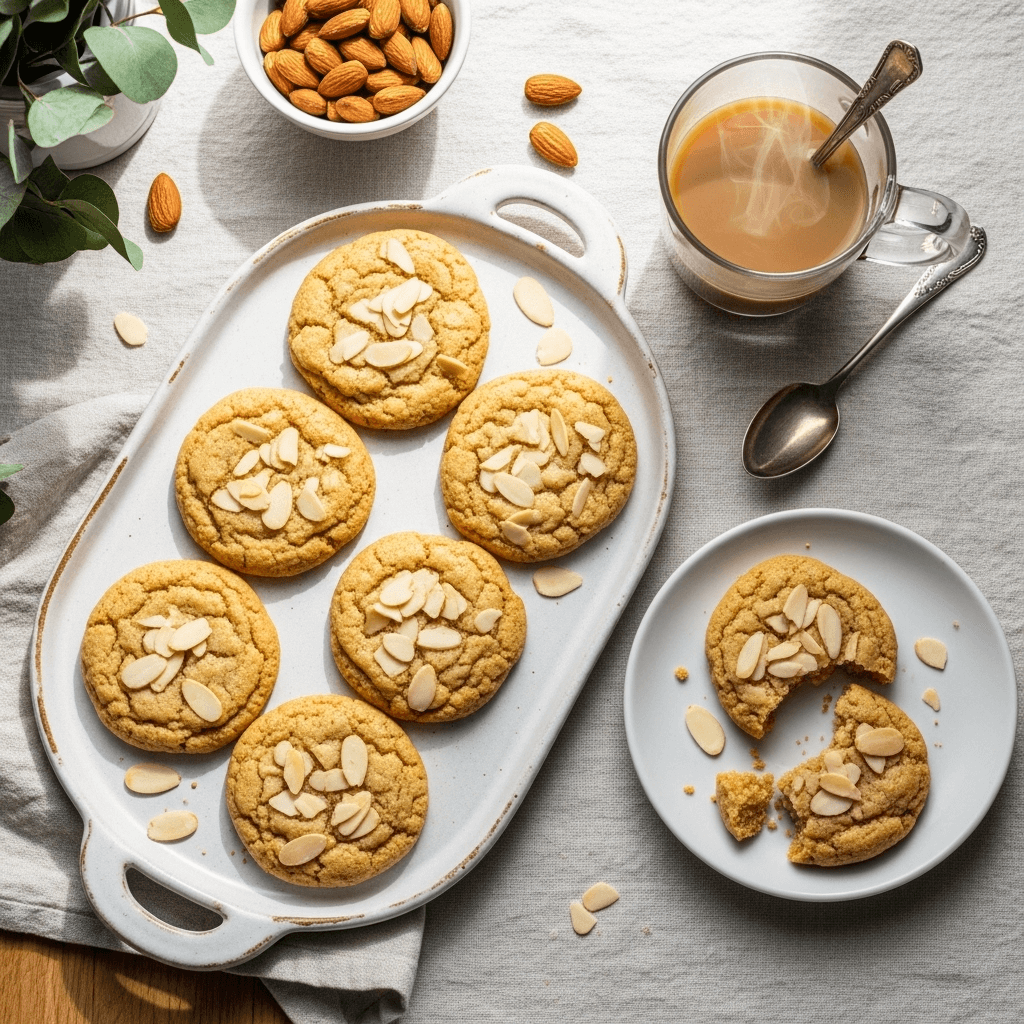

There’s something magical about the aroma of freshly baked almond cookies wafting through your kitchen. These delightful treats combine the rich, nutty flavor of almonds with a buttery, melt-in-your-mouth texture that makes them absolutely irresistible. Whether you’re preparing for a holiday cookie exchange, hosting an afternoon tea party, or simply craving a homemade sweet treat, these classic almond cookies are the perfect solution. With their delicate crunch on the outside and tender crumb inside, they pair beautifully with coffee, tea, or a cold glass of milk. This easy almond cookie recipe requires just a handful of simple ingredients and about 30 minutes from start to finish, making them ideal for both beginner bakers and seasoned cookie enthusiasts alike.
History / Background
Almond cookies have a rich and fascinating history that spans multiple cultures and centuries. These beloved treats can be traced back to medieval Europe, where almonds were considered a luxury ingredient imported from the Middle East along ancient trade routes. Italian amaretti cookies, Spanish almendrados, and French macarons all share a common ancestor in these early almond-based confections.
In Chinese culture, almond cookies hold special significance and are traditionally served during Lunar New Year celebrations as symbols of good fortune and prosperity. Chinese almond cookies typically feature a whole almond pressed into the center and have a distinctive crumbly texture that sets them apart from their European counterparts.
The popularity of almond cookies spread to America through European immigrants in the 19th and early 20th centuries, where they became a staple in bakeries and home kitchens across the country. During the Victorian era, almond cookies were fashionable tea-time accompaniments, often served in elegant parlors alongside delicate china.
What makes almond cookies particularly special is their versatility and timeless appeal. Unlike trendy desserts that come and go, almond cookies have remained consistently popular for generations because they strike the perfect balance between simple elegance and satisfying flavor. They’re sophisticated enough for formal occasions yet comforting enough for everyday enjoyment.
Why You’ll Love This Recipe
This homemade almond cookie recipe is about to become your new go-to favorite for so many reasons. These cookies deliver that perfect combination of buttery richness and nutty almond flavor that keeps you reaching for just one more. The texture is absolutely divine – crispy edges with a slightly tender center that simply melts on your tongue.
Here’s why this recipe stands out:
- Quick and Easy – Ready in just 30 minutes from start to finish, perfect for last-minute baking needs
- Simple Ingredients – Uses basic pantry staples you likely already have on hand
- Foolproof Recipe – Clear, straightforward instructions that guarantee success every time
- Budget-Friendly – Makes 24 cookies without breaking the bank
- Crowd-Pleaser – Loved by kids and adults alike, perfect for any gathering
- Versatile – Easily customizable with different extracts, glazes, or toppings
- Make-Ahead Friendly – Dough can be prepared in advance and frozen for up to 3 months
- Elegant Presentation – Beautiful enough to gift or serve at special occasions
- Allergy-Conscious Options – Can be adapted for various dietary needs with simple substitutions
Ingredient Notes
Understanding your ingredients is the key to baking success. Let’s break down what makes these almond cookies so special and what alternatives you can use.
All-Purpose Flour – The foundation of your cookies, providing structure. You can substitute with a 1:1 gluten-free baking flour if needed, though the texture may be slightly different.
Almond Extract – This is the star flavor that gives these cookies their distinctive taste. Use pure almond extract rather than imitation for the best flavor. If you’re concerned about the intensity, start with half the amount and adjust to taste.
Sliced Almonds – Adds wonderful texture and enhances the almond flavor. Slivered almonds work equally well. For nut-free versions, you can omit them entirely or use sunflower seeds for crunch.
Unsalted Butter – Creates that rich, tender texture. Always use unsalted so you can control the salt level. Make sure it’s softened to room temperature for proper creaming. In a pinch, you can substitute with vegetable shortening or plant-based butter.
Granulated Sugar – Provides sweetness and helps create that lovely crispy exterior. Can be replaced with coconut sugar for a deeper flavor profile.
Egg – Binds everything together and adds moisture. For vegan versions, use a flax egg (1 tablespoon ground flaxseed mixed with 3 tablespoons water).
Vanilla Extract – Complements the almond flavor beautifully. Pure vanilla is always recommended over imitation.
Baking Powder – Gives the cookies a slight lift and lighter texture. Make sure yours is fresh for best results.
Salt – Enhances all the flavors and balances the sweetness. Don’t skip it!
Equipment Needed
Having the right tools makes baking so much easier and more enjoyable. Here’s everything you’ll need to create perfect almond cookies:
- Mixing Bowls (1 large, 1 medium) – For combining wet and dry ingredients separately
- Electric Mixer (stand mixer or hand mixer) – Makes creaming butter and sugar effortless
- Measuring Cups and Spoons – Accurate measurements are crucial in baking
- Whisk – For combining dry ingredients
- Rubber Spatula – For scraping down bowl sides and folding ingredients
- Baking Sheets (2) – Allows you to bake multiple batches
- Parchment Paper or Silicone Baking Mats – Prevents sticking and ensures even browning
- Cookie Scoop (1.5 tablespoon size) – Creates uniform cookies that bake evenly
- Wire Cooling Rack – Essential for properly cooling cookies
- Small Bowl – For beaten egg wash if desired
- Pastry Brush (optional) – For applying egg wash

Almond Cookies Recipe
- Total Time: 27 minutes
- Yield: 24 cookies 1x
- Diet: Vegetarian
Description
These classic homemade almond cookies feature a buttery, melt-in-your-mouth texture with rich almond flavor throughout. Topped with sliced almonds and baked to golden perfection, they’re ideal for any occasion from holiday cookie trays to everyday afternoon snacks.
Ingredients
- 2 ½ cups all-purpose flour
- 1 cup (2 sticks) unsalted butter, softened to room temperature
- 1 cup granulated sugar
- 1 large egg
- 1 ½ teaspoons pure almond extract
- 1 teaspoon pure vanilla extract
- 1 teaspoon baking powder
- ¼ teaspoon salt
- ½ cup sliced almonds
- 1 egg (beaten, for egg wash – optional)
- 2 tablespoons coarse sugar for sprinkling (optional)
Instructions
- Preheat and Prepare – Preheat your oven to 350°F (175°C). Line two baking sheets with parchment paper or silicone baking mats and set aside.
- Mix Dry Ingredients – In a medium bowl, whisk together the flour, baking powder, and salt. Set this mixture aside.
- Cream Butter and Sugar – In a large mixing bowl, use an electric mixer on medium speed to cream the softened butter and granulated sugar together for 3-4 minutes until the mixture becomes light and fluffy. This step is crucial for creating the perfect texture.
- Add Wet Ingredients – Beat in the egg, almond extract, and vanilla extract until fully combined and smooth, about 1 minute. Scrape down the sides of the bowl with a rubber spatula to ensure everything is incorporated.
- Combine Wet and Dry – With the mixer on low speed, gradually add the flour mixture to the butter mixture. Mix just until the dough comes together and no flour streaks remain. Be careful not to overmix, as this can make cookies tough.
- Form Cookie Dough Balls – Using a 1.5-tablespoon cookie scoop or a spoon, portion out the dough and roll into balls. Place them on the prepared baking sheets, spacing them about 2 inches apart as they will spread slightly during baking.
- Add Almond Topping – Gently flatten each cookie ball slightly with your palm or the bottom of a glass. If using egg wash, lightly brush the top of each cookie. Press 2-3 sliced almonds onto the top of each cookie, pressing gently so they adhere. Sprinkle with coarse sugar if desired.
- Bake – Bake for 11-13 minutes, or until the edges are lightly golden brown. The centers may look slightly underdone, but they will continue to set as they cool. Avoid overbaking, which can make them dry.
- Cool – Allow the cookies to cool on the baking sheet for 5 minutes, then carefully transfer them to a wire cooling rack to cool completely. They will firm up as they cool.
- Serve and Enjoy – Once completely cooled, serve immediately or store in an airtight container.
Notes
- For extra almond flavor, you can add ¼ cup finely ground almonds (almond meal) to the dough, reducing the flour by ¼ cup.
- If your dough seems too soft to handle, refrigerate it for 15-20 minutes before shaping.
- Cookies can be frozen before baking: shape dough balls, freeze on a baking sheet, then transfer to a freezer bag. Bake directly from frozen, adding 1-2 minutes to baking time.
- For a chocolate variation, dip cooled cookies halfway in melted dark chocolate and let set on parchment paper.
- The egg wash is optional but creates a beautiful glossy finish and helps the almonds stick better.
- Prep Time: 15 minutes
- Cook Time: 12 minutes
- Category: Dessert
- Method: Baking
- Cuisine: American
Nutrition
- Serving Size: 1 cookie
- Calories: 142
- Sugar: 9g
- Sodium: 45mg
- Fat: 8g
- Saturated Fat: 4g
- Unsaturated Fat: 3g
- Trans Fat: 0g
- Carbohydrates: 16h
- Fiber: 1g
- Protein: 2g
- Cholesterol: 28mg
Tips & Variations
The beauty of this almond cookie recipe is how easily it can be customized to suit your taste preferences or dietary needs. Here are some delicious ways to make these cookies your own:
Chocolate Almond Cookies – Add ⅓ cup cocoa powder to the dry ingredients and reduce flour by ⅓ cup. You’ll have rich, chocolatey almond cookies that taste like brownies in cookie form.
Glazed Almond Cookies – Mix 1 cup powdered sugar with 2 tablespoons milk and ¼ teaspoon almond extract. Drizzle over cooled cookies for an elegant finish perfect for special occasions.
Lemon Almond Cookies – Add 1 tablespoon fresh lemon zest to the dough and replace vanilla extract with lemon extract. These have a bright, refreshing flavor that’s perfect for spring and summer.
Amaretto Cookies – Replace 1 tablespoon of the almond extract with amaretto liqueur for a sophisticated, grown-up version.
Holiday Spice Version – Add ½ teaspoon cinnamon and ¼ teaspoon nutmeg to the dough for a warm, festive twist.
Healthier Option – Use whole wheat pastry flour instead of all-purpose, reduce sugar to ¾ cup, and use coconut oil instead of butter.
Gluten-Free – Substitute all-purpose flour with a 1:1 gluten-free baking flour blend. Add ¼ teaspoon xanthan gum if your blend doesn’t contain it.
Mini Almond Cookies – Use a smaller cookie scoop to make bite-sized treats perfect for parties. Reduce baking time to 8-10 minutes.
Pro Chef Tips
After years of perfecting cookie recipes, here are the professional secrets that will take your almond cookies from good to absolutely spectacular:
Temperature Matters – Always start with room temperature butter (about 65-68°F). Butter that’s too cold won’t cream properly, and butter that’s too warm will make cookies spread too much. To quickly soften butter, cut it into small cubes and let it sit for 15 minutes.
Don’t Skip the Creaming Step – When you cream butter and sugar together for 3-4 minutes, you’re incorporating air that creates a lighter, more tender cookie. This step is not optional and cannot be rushed.
Chill for Better Results – If you have time, refrigerate your shaped cookie dough for 30 minutes before baking. This helps prevent excessive spreading and creates a thicker, chewier cookie with more defined edges.
Use Quality Extract – The difference between pure almond extract and imitation is night and day. Pure extract costs more, but the superior flavor is worth every penny. Nielsen-Massey and Simply Organic are excellent brands.
Toast Your Almonds – For even deeper flavor, lightly toast the sliced almonds in a dry skillet over medium heat for 2-3 minutes before adding to cookies. This intensifies their nutty flavor dramatically.
Rotate Your Pans – Halfway through baking, rotate your baking sheets 180 degrees and switch their positions if you’re baking two sheets at once. This ensures even browning since most ovens have hot spots.
The Underbake Trick – Remove cookies when they still look slightly underdone in the center. They’ll continue cooking on the hot pan and finish setting as they cool, resulting in perfectly tender cookies rather than dry, overdone ones.
Weigh Your Flour – If you have a kitchen scale, weigh your flour (2 ½ cups = 300g) for the most consistent results. Too much flour makes dry, crumbly cookies.
Common Mistakes to Avoid
Even experienced bakers can run into issues when making cookies. Here are the most common pitfalls and how to avoid them:
Cookies Spread Too Much – This happens when butter is too warm, there’s not enough flour, or the baking sheet is still warm from the previous batch. Always use softened (not melted) butter, measure flour correctly by spooning it into the cup rather than scooping, and let baking sheets cool completely between batches.
Cookies Are Too Hard or Dry – Overbaking is the main culprit here. Remember, cookies continue to firm up as they cool, so they should look slightly underdone when you remove them from the oven. Also check that you’re measuring flour accurately and not packing it into the measuring cup.
Cookies Don’t Have Enough Flavor – You may have used imitation extracts instead of pure, or your almond extract might be old and has lost potency. Always use fresh, pure extracts and store them in a cool, dark place. If your extract is more than two years old, replace it.
Uneven Baking – When cookies brown unevenly or some are done before others, it usually means they weren’t uniform in size or your oven has hot spots. Use a cookie scoop to ensure all cookies are the same size, and rotate your baking sheets halfway through baking.
Cookies Stick to the Pan – Always use parchment paper or silicone baking mats. Regular greasing isn’t enough for delicate cookies like these. If you’re out of parchment, a thin coating of cooking spray works in a pinch.
Flat, Thin Cookies – This can result from not enough flour, too much sugar, or butter that was too warm. Make sure you’re measuring ingredients accurately and that your butter is at the right temperature (should hold a slight fingerprint when pressed but not be greasy or shiny).
Storage & Meal Prep
Proper storage ensures your almond cookies stay fresh and delicious for as long as possible.
Room Temperature Storage – Store completely cooled cookies in an airtight container at room temperature for up to 1 week. Place parchment paper between layers to prevent sticking. Keep them away from direct sunlight and heat sources.
Adding a Bread Slice Trick – To keep cookies soft and fresh longer, place a slice of white bread in the container with your cookies. The bread will dry out while your cookies absorb its moisture, staying tender for days longer. Replace the bread slice every couple of days.
Refrigerator Storage – While not necessary, you can refrigerate cookies for up to 2 weeks in an airtight container. Let them come to room temperature before serving for the best texture and flavor.
Preventing Staleness – Always make sure cookies are completely cooled before storing. Any residual warmth creates condensation in the container, which makes cookies soggy and can promote mold growth.
Reheating Tips – To refresh cookies that have become slightly stale, place them on a baking sheet in a 300°F oven for 3-5 minutes. This crisps up the edges and makes them taste freshly baked again.
Gifting and Transporting – For gifting, layer cookies with wax paper in a decorative tin or cookie box. They travel well and maintain their quality for several days, making them perfect for cookie exchanges, bake sales, or care packages.
Make-Ahead & Freezer Notes
These almond cookies are incredibly freezer-friendly, making them perfect for meal prep and always having homemade cookies on hand.
Freezing Unbaked Dough – This is my favorite method. Shape the dough into balls and place them on a parchment-lined baking sheet. Freeze until solid (about 2 hours), then transfer to a freezer-safe bag or container. Frozen dough balls can be stored for up to 3 months. Bake directly from frozen, adding 1-2 extra minutes to the baking time. No thawing necessary!
Freezing Dough as a Log – Roll the prepared dough into a log about 2 inches in diameter, wrap tightly in plastic wrap, then in aluminum foil. Freeze for up to 3 months. When ready to bake, let it thaw in the refrigerator for 2-3 hours until you can slice it, then cut into ½-inch rounds and bake as directed.
Freezing Baked Cookies – Let cookies cool completely, then arrange in a single layer in freezer-safe containers with parchment paper between layers. They’ll keep for up to 3 months. Thaw at room temperature for about 20 minutes before serving.
Make-Ahead Dough (Refrigerator) – Prepare the dough, shape into balls, cover with plastic wrap, and refrigerate for up to 3 days. Let the dough sit at room temperature for 10 minutes before baking to take the chill off.
Best Reheating Method for Frozen Baked Cookies – Let frozen cookies thaw at room temperature for 15-20 minutes. For a fresh-baked taste and texture, warm them in a 300°F oven for 5 minutes. This makes them taste like they just came out of the oven.
Meal Prep Strategy – I like to make a double batch of dough, bake half immediately, and freeze the other half as dough balls. This way, you can enjoy fresh cookies now and have ready-to-bake cookies whenever a craving strikes or unexpected guests arrive.
Serving Suggestions
Almond cookies are incredibly versatile and pair beautifully with so many different foods and beverages. Here are some delightful ways to serve them:
Classic Coffee or Tea Pairing – These cookies are perfect alongside your morning coffee or afternoon tea. The buttery almond flavor complements espresso, cappuccino, Earl Grey, or jasmine tea beautifully.
Ice Cream Sandwiches – Use two cookies to sandwich a scoop of vanilla, coffee, or chocolate ice cream. Roll the edges in mini chocolate chips or chopped almonds for an extra-special treat.
Dessert Charcuterie Board – Arrange almond cookies on a board with fresh berries, chocolate truffles, dried fruit, nuts, and small cheese wedges for an elegant dessert spread.
With Fresh Fruit – Serve alongside sliced strawberries, peaches, or pears for a light dessert that balances the richness of the cookies.
Milk and Cookies – There’s nothing quite like the classic combination of cold milk and warm cookies. Set out a plate with a pitcher of cold milk for an after-school snack kids will love.
Wine Pairing – For adult gatherings, pair these cookies with a glass of amaretto, moscato, or late-harvest riesling. The sweet wine complements the almond flavor perfectly.
Breakfast Treat – Enjoy one or two cookies with your morning yogurt and fresh fruit for a sweet start to your day.
Holiday Cookie Tray – Include these alongside gingerbread cookies, shortbread, and chocolate crinkle cookies for a diverse holiday cookie platter.
Topped with Whipped Cream – Crumble cookies over a bowl of lightly sweetened whipped cream and fresh berries for a simple but elegant dessert.
FAQs Section
Can I make these cookies without almond extract?
Yes, though the almond flavor won’t be as pronounced. You can substitute with vanilla extract (use 2 teaspoons total) or try amaretto liqueur. Another option is to use almond paste (about ¼ cup, creamed with the butter) for natural almond flavor without the extract.
Why are my cookies spreading too much during baking?
Excessive spreading usually happens because the butter was too warm, the dough wasn’t chilled enough, or you used melted butter instead of softened. Make sure your butter is at proper room temperature (should hold an indent when pressed but not be greasy). If needed, chill your shaped cookie dough for 30 minutes before baking.
Can I substitute almond flour for all-purpose flour?
Not in a 1:1 ratio. Almond flour behaves very differently than wheat flour and will result in flat, dense cookies. However, you can replace up to ½ cup of the all-purpose flour with almond flour for extra almond flavor and a slightly chewier texture.
How do I know when the cookies are done baking?
Look for lightly golden edges while the centers still appear slightly soft and pale. They should not be browned all over. Remember, cookies continue to cook on the hot pan after removing from the oven, so slight underbaking is actually perfect. They typically take 11-13 minutes.
Can I make these cookies dairy-free or vegan?
Absolutely! Replace the butter with vegan butter or coconut oil (measured solid, not melted). Use a flax egg (1 tablespoon ground flaxseed mixed with 3 tablespoons water, let sit 5 minutes) instead of the regular egg. The texture will be slightly different but still delicious.
My cookies turned out hard instead of tender. What went wrong?
This usually means they were overbaked or the dough had too much flour. Always remove cookies when they still look slightly underdone in the center. Also, make sure you’re measuring flour by spooning it into the measuring cup and leveling off, not scooping directly from the bag, which packs in too much flour.
Do I need to use sliced almonds on top, or can I leave them plain?
The sliced almonds are optional but highly recommended for both visual appeal and added texture. If you don’t have them or prefer a plainer cookie, you can omit them entirely. You could also substitute with chopped pecans, walnuts, or even a simple sprinkle of coarse sugar for sparkle.
Conclusion
These homemade almond cookies are everything a great cookie should be – simple to make, absolutely delicious, and versatile enough for any occasion. With their rich buttery flavor, delicate crunch, and pronounced almond taste, they’re guaranteed to become a staple in your baking repertoire. Whether you’re baking them for a special celebration, packaging them as gifts, or simply treating yourself to something sweet with your afternoon coffee, these cookies deliver every single time.
The beauty of this recipe lies in its simplicity and reliability. You don’t need any fancy equipment or hard-to-find ingredients – just basic pantry staples and about 30 minutes of your time. Plus, with all the make-ahead and freezing options, you can always have fresh cookies ready whenever the craving strikes or unexpected guests arrive.
I’d love to hear how your almond cookies turned out! Did you try any of the variations? What did your family think? Drop a comment below and share your experience. If you loved this recipe, please consider pinning it to your favorite Pinterest board so you can find it again, and share it with fellow baking enthusiasts who would appreciate a foolproof cookie recipe. Happy baking, friends!